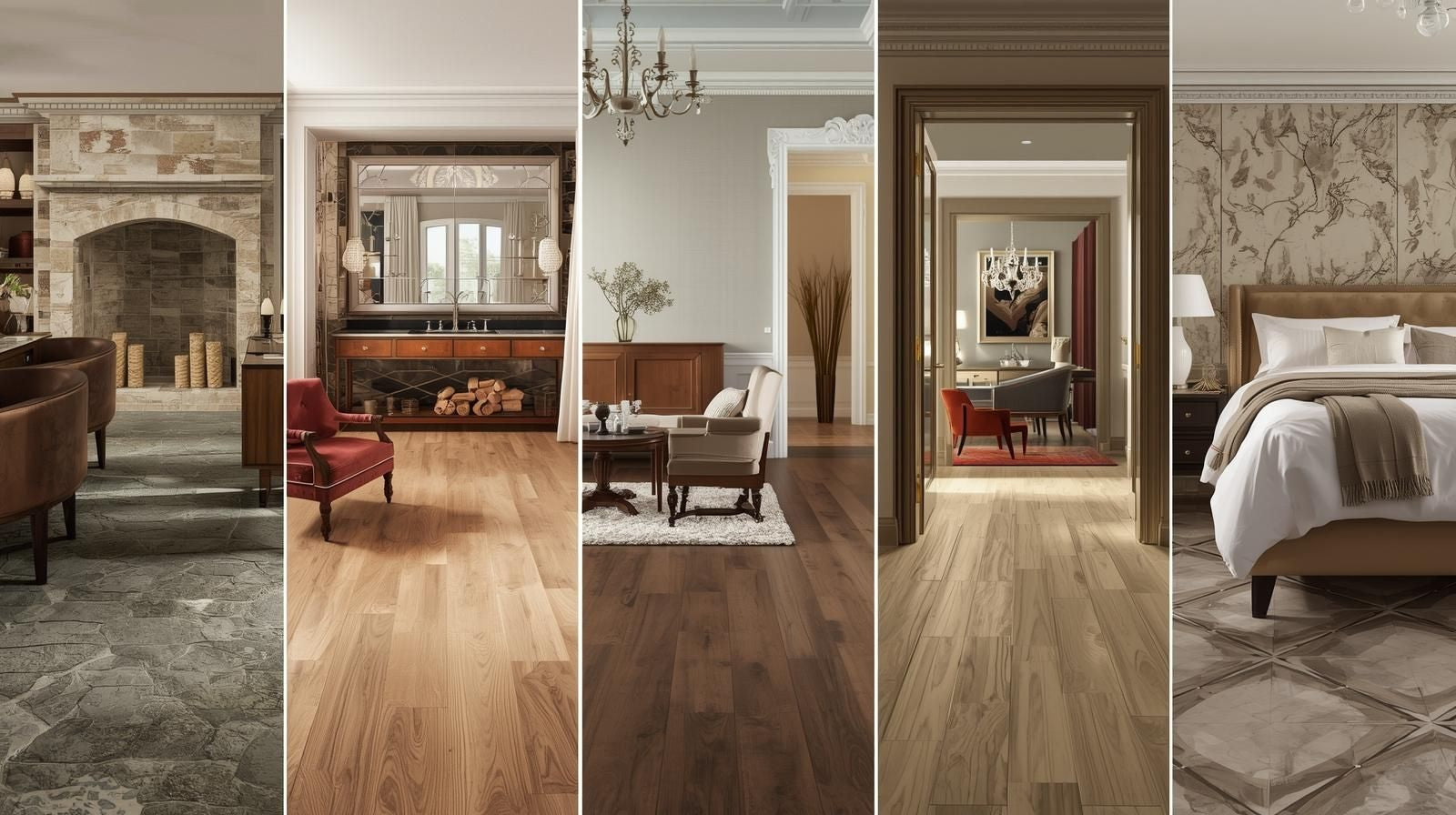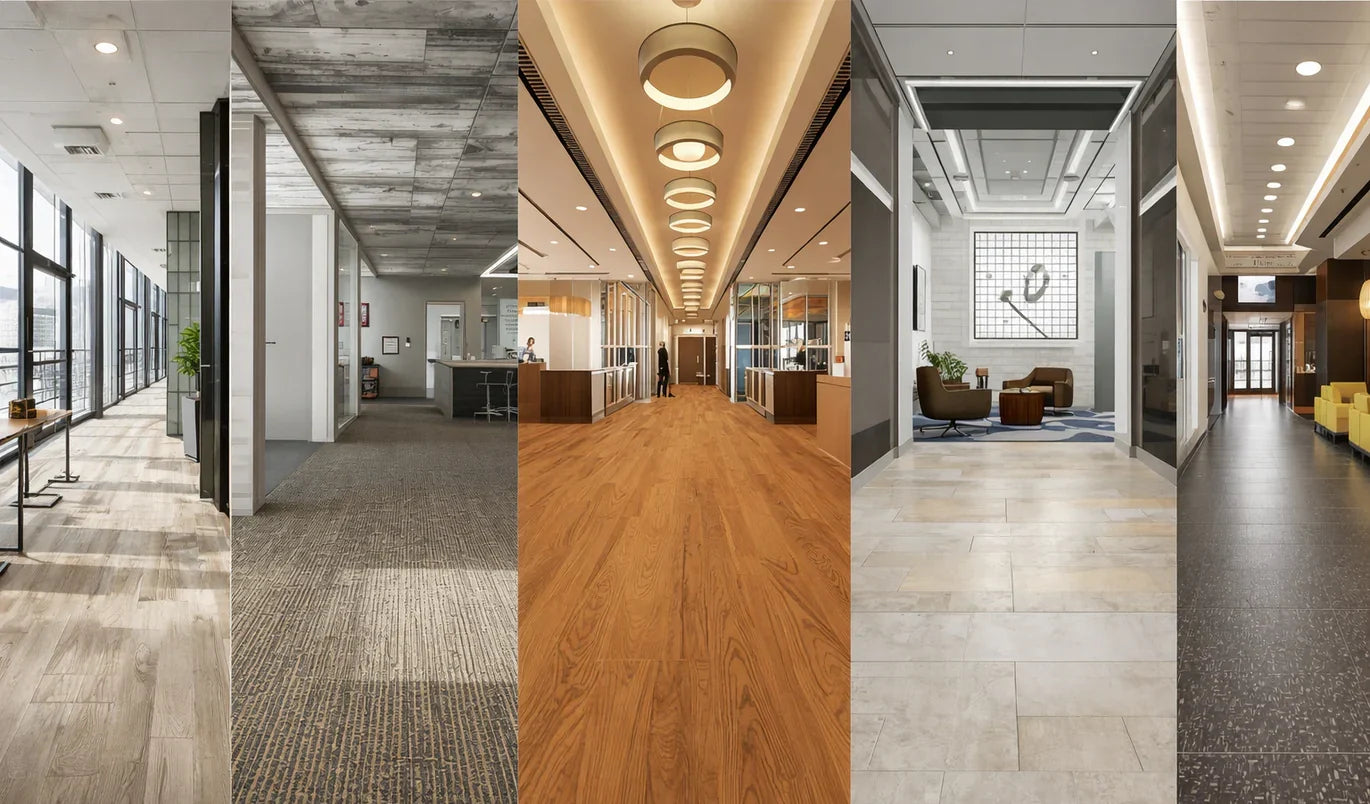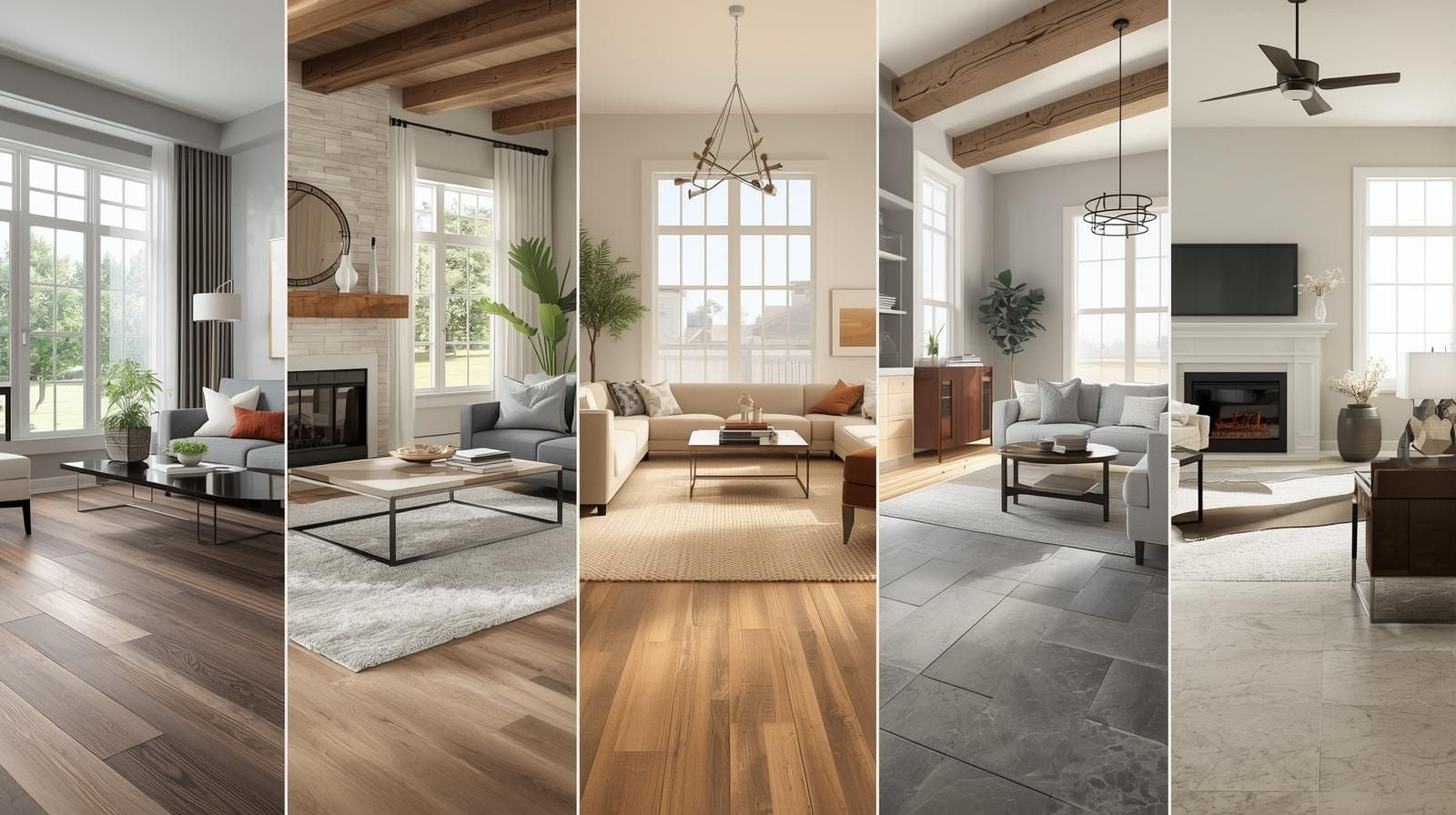


Most people choose washroom flooring the same way they choose for a full bathroom, but the conditions aren’t the same. A washroom doesn’t deal with constant moisture, steam, or standing water. Instead, it sees light splashes, regular cleaning, and everyday foot traffic.
From a flooring standpoint, that means you don’t always need a fully waterproof system. What matters more is a stable core, a sealed surface, and enough wear resistance to handle daily use without damage.
Over-specifying the floor often adds cost without real benefit. The smarter approach is to match the material to how the space is actually used, and that’s exactly what this guide will help you do.
What Makes Washroom Flooring Different from Bathroom Flooring?
| Factor | Washroom Flooring | Bathroom Flooring |
| Humidity Levels | Lower and more controlled | Consistently high humidity and moisture |
| Water Exposure | Low, limited to occasional splashes from sinks | High, frequent water from showers, tubs, and steam |
| Flooring Requirements | Moisture-resistant materials are usually sufficient | Fully waterproof materials are often necessary |
| Primary Focus | Aesthetics, style, and easy maintenance | Waterproofing and long-term moisture protection |
| Risk of Damage | Moderate, mainly from spills or minor leaks | High, constant exposure to water and humidity |
| Comfort & Design | Greater flexibility in textures, colors, and finishes | Limited by the need for water resistance and durability |
| Maintenance Needs | Quick and easy cleaning | Requires regular moisture management and care |
👉 Key takeaway: Washrooms need moisture-resistant flooring, not necessarily fully waterproof systems.
Key Features to Look for in Washroom Flooring
The best flooring for washroom areas becomes easier when you focus on these essentials:
- Water Protection Level: Washroom areas deal with minor splashes rather than heavy soaking. Select surfaces that handle damp conditions without complex layering.
- Anti-Slip Finish: Small moisture spots still increase slip chances indoors. Textured and matte surfaces help improve footing stability during use.
- Quick Cleaning Surface: Regular cleaning becomes easier when floors resist stains well. Flat surfaces reduce effort and support faster maintenance routines.
- Long Lasting Build: Daily walking pressure impacts flooring more than moisture exposure. Strong protective layers help extend overall service life.
- Visual Appeal: Washrooms are guest-facing spaces. Flooring plays a major role in overall design.
Best Flooring Options for Washrooms
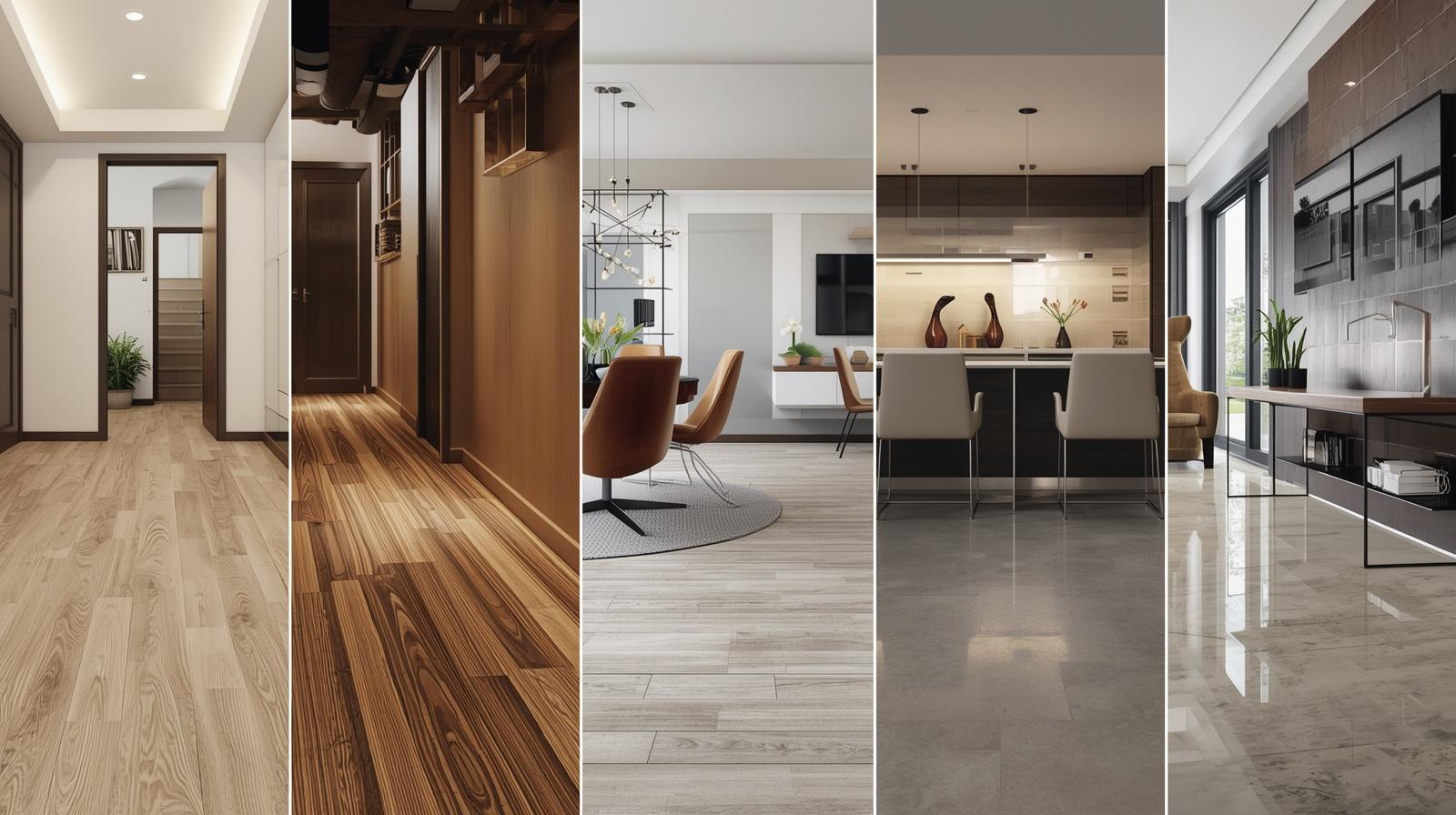
- Luxury Vinyl Plank (LVP/LVT): Best overall choice
- Waterproof Laminate Flooring: Budget option
- Engineered Wood Flooring: Premium Option
- Tile Flooring: Traditional option
1. Luxury Vinyl Flooring (LVP/LVT)

Best for: Reliable, stylish, and low-maintenance solution. Works well in both modern and traditional washroom designs.
Vinyl plank and tile use a layered construction that unites a strong wear layer, a printed design layer, rigid waterproof core structure system for a durable base. The structure allows the floor to maintain stability even during varying humidity conditions.
Flooring material resists moisture absorption, making it highly dependable for regular residential usage every day. Vinyl flooring is selected because it combines moisture resistance, easy upkeep, and visual flexibility in one solution.
Why LVP Is the Most Practical Washroom Flooring Solution
- Fully water-resistant or waterproof core.
- Handles spills and humidity easily.
- Realistic wood and stone visuals.
- Cost-effective compared to premium materials.
- Strong durability and wear resistance.
Things to consider: Proper installation is important to protect the subfloor. Quality varies; low-end vinyl may wear faster.
Also Read: Different Types of Vinyl Flooring
2. Waterproof Laminate Flooring

Best for: Budget-conscious upgrades where appearance matters as much as performance.
Premium waterproof laminate flooring marks strong change from older versions. Laminate flooring features a treated core and sealed edges that stop water entry while preserving a firm, natural underfoot texture, intact quality core protection.
Its layered structure builds a durable base that reflects hardwood appearance, texture, and overall quality finish, resulting in a very clean finish. This is not a traditional laminate; an upgraded version from top brands built with moisture-resistant technology, and sealed locking systems, and enhanced structure.
Why Waterproof Laminate Works for Controlled Washroom Conditions
Enhanced visuals compared to standard laminate flooring
- Handles occasional moisture and light splashes
- More affordable than vinyl in certain ranges
- Scratch-resistant surface for daily use
- Easy installation with click-lock systems
Things to consider: Not fully waterproof like vinyl; prolonged water exposure can still affect the core. Edge sealing and proper installation play a key role in performance.
3. Engineered Wood Flooring

Best for: Premium washrooms with minimal moisture exposure and strong design focus.
Engineered hardwood flooring uses a real hardwood surface over a stable core. This creates a natural look without the instability of solid wood. Engineered hardwood performs better than solid hardwood in controlled environments and adapts perfectly to interior temperature changes.
This flooring adds depth and authenticity that synthetic materials try to copy but rarely match. Such floors are often chosen in high-end interiors where material quality defines the space.
This option offers a premium visual finish suitable for low-moisture washrooms in the space, especially when the washroom connects visually with the bedroom floors or the living room floor.
Why Engineered Wood Adds Design Authority to Washrooms
- Works well in low-moisture washrooms
- Real wood surface delivers authentic texture
- Adds warmth and a premium feel to interiors
- Stable layered construction reduces movement
- Enhances overall property value through design appeal
Things to consider: Not suitable for high humidity or frequent water exposure. Requires careful maintenance to preserve the wood surface.
4. Tile Flooring

Best for: Traditional setups or homes prioritizing durability over comfort.
Long-used tile flooring continues to remain reliable because of its strong build and resistance to everyday damage. It suits moisture-heavy rooms well and holds its structure without major change over time.
Interior choices include ceramic, porcelain, and stone finishes that allow diverse design directions for different spaces. Hard surface texture reduces comfort level compared to more modern flooring materials.
Why Tile Remains a Traditional Washroom Flooring Option
- Highly water-resistant surface suitable for moisture exposure
- Extremely durable under heavy foot traffic
- Long lifespan with minimal wear
- Wide range of design patterns and finishes
- Compatible with underfloor heating systems
Things to consider: Cold and hard underfoot, especially in colder climates. Higher installation cost due to labor and subfloor preparation.
Check Out: Tile Flooring Options for Moisture-prone Spaces
Flooring Options to Avoid in Washrooms
Avoiding the wrong materials is just as important as choosing the right ones.
- Solid Hardwood: Absorbs moisture easily and can warp over time.
- Carpet: Poor hygiene choice due to moisture and odor retention.
- Low-Quality Laminate: Swells when exposed to moisture due to the wood-based core.
These mistakes often lead to early replacement and higher long-term costs.
Design Ideas for Washroom Flooring
This is where function meets style. Use these ideas to elevate your washroom:
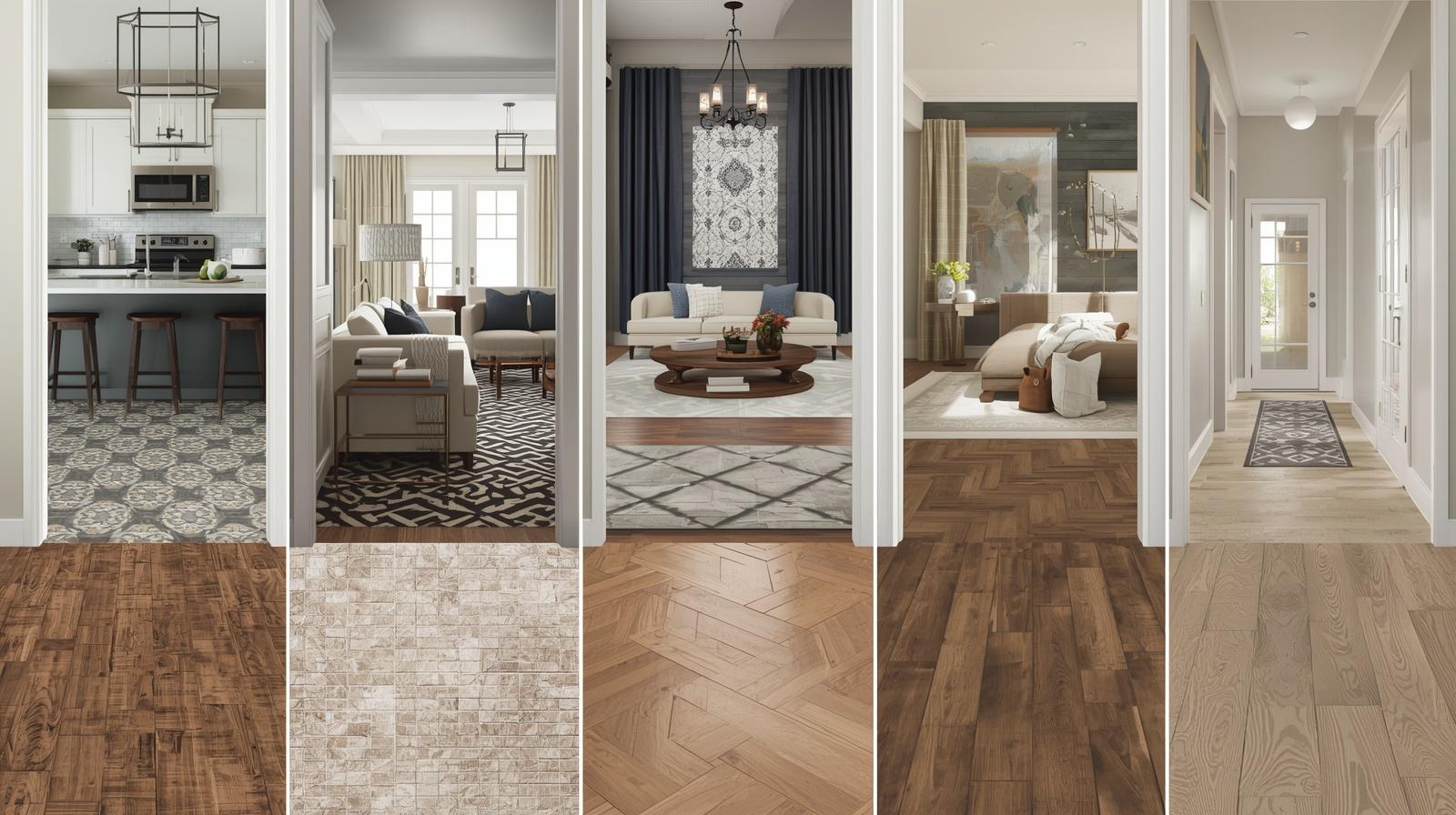
- Light Wood Tones: Perfect for flooring in small washroom spaces, making the room feel larger.
- Herringbone Vinyl Patterns: Adds a premium, designer look without increasing cost significantly.
- Stone-Look Flooring: Creates a clean, modern aesthetic with minimal maintenance.
- Matte Finishes: Improves slip resistance while enhancing a contemporary feel.
How to Choose the Right Flooring for Your Washroom
Choosing the right flooring depends on budget, design, and durability needs. If you're looking for the best place to buy flooring, it's important to choose a supplier that offers both quality materials and practical guidance for different spaces.
- Budget: Vinyl and laminate keep costs down. Tile and engineered wood sit higher. No need to overspend on full waterproofing if the space stays mostly dry.
- Use Cases: The guest washroom needs less protection. LVP or laminate works fine. Daily-use spaces need tougher surfaces that handle constant cleaning and foot traffic.
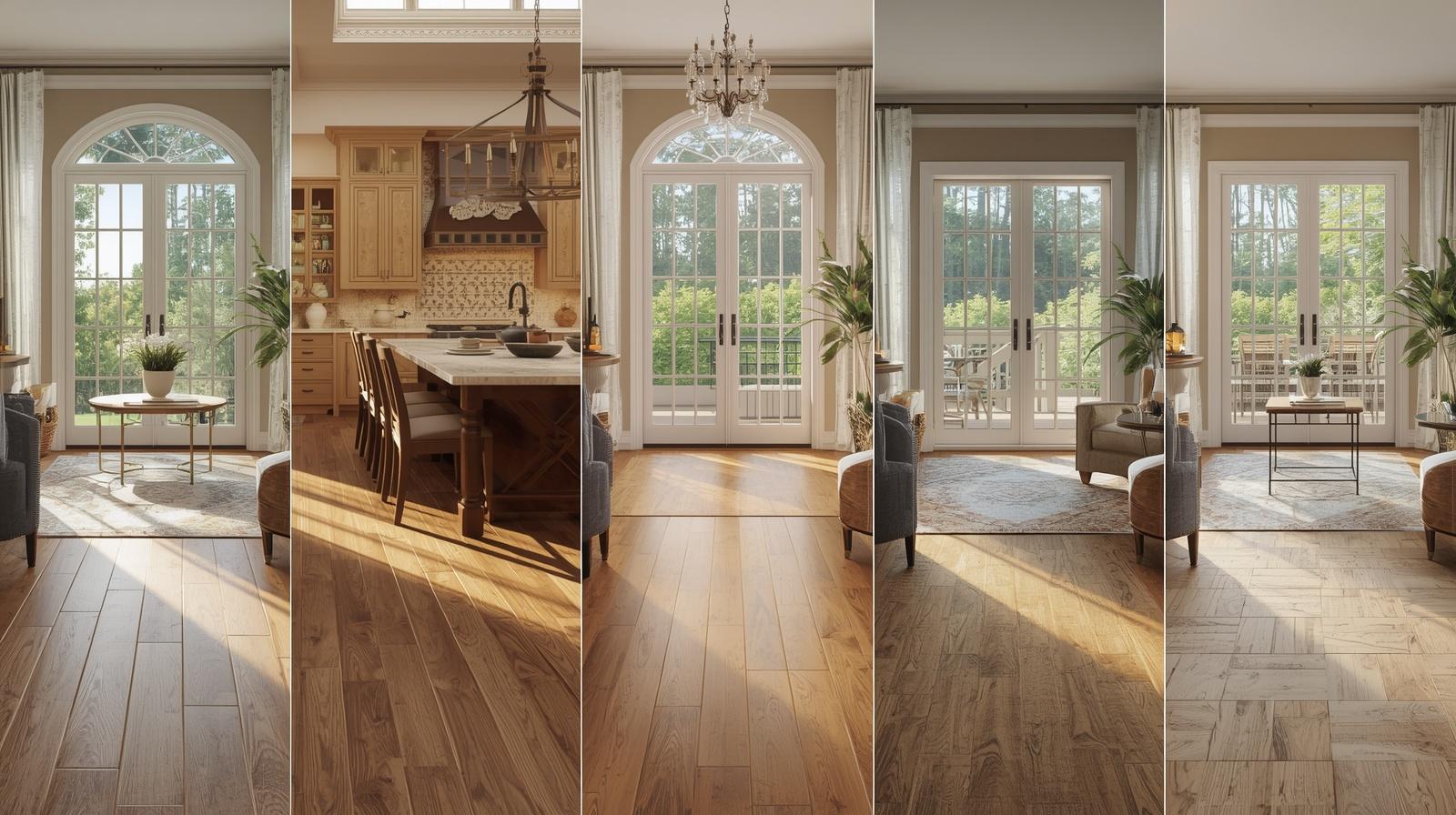
- Style Preference: The floor should blend with the nearby room's flooring. Wood-look vinyl, stone tones, or matte tile usually keep things visually consistent.
- Maintenance: Vinyl and tile are easy to maintain. Engineered wood needs more care and controlled moisture. Low-maintenance floors save time long term.
Final Thoughts: Choosing Washroom Flooring That Works Long-Term
Washrooms don’t need extreme flooring solutions, but they do need smart ones.
All flooring options work well when matched correctly to usage conditions rather than assumptions.
- LVP flooring for stylish guest washrooms
- Waterproof laminate for an affordable, modern appearance
- Engineered wood for premium low-moisture interiors
- Tile flooring for maximum strength and durability
A well-chosen floor delivers better long-term value, easier maintenance, and a cleaner look that lasts.
FAQs
What is the best flooring for a washroom?
Luxury vinyl plank (LVP) is often the best choice due to its balance of moisture resistance, durability, and easy maintenance.
Is vinyl flooring good for washrooms?
Yes, vinyl is highly suitable. It resists moisture, is easy to clean, and offers strong durability for everyday use.
Can laminate flooring be used in a washroom?
Yes, but only waterproof laminate flooring. Traditional laminate can swell if exposed to moisture.
What is the difference between washroom and bathroom flooring?
Washrooms need moisture-resistant flooring, while bathrooms require fully waterproof solutions due to higher water exposure.
What is the most affordable washroom flooring option?
Laminate flooring is usually the most budget-friendly option, followed closely by entry-level vinyl flooring.

David Santiago

Best Flooring for Cellars: Durable & Moisture-Resistant Options
Waterproof Laminate Flooring: Types, Top Brands, & Styling Tips
Related Posts