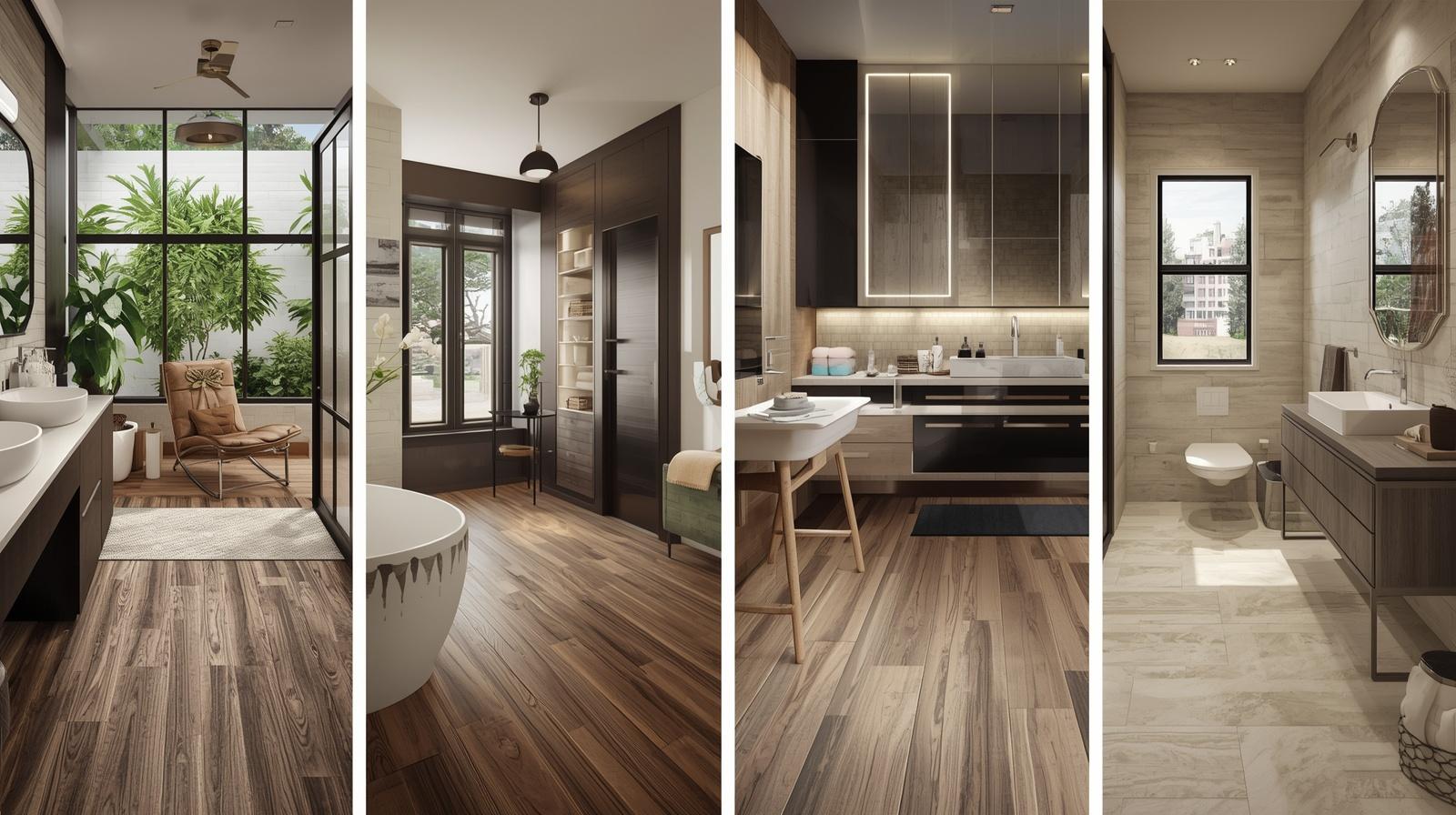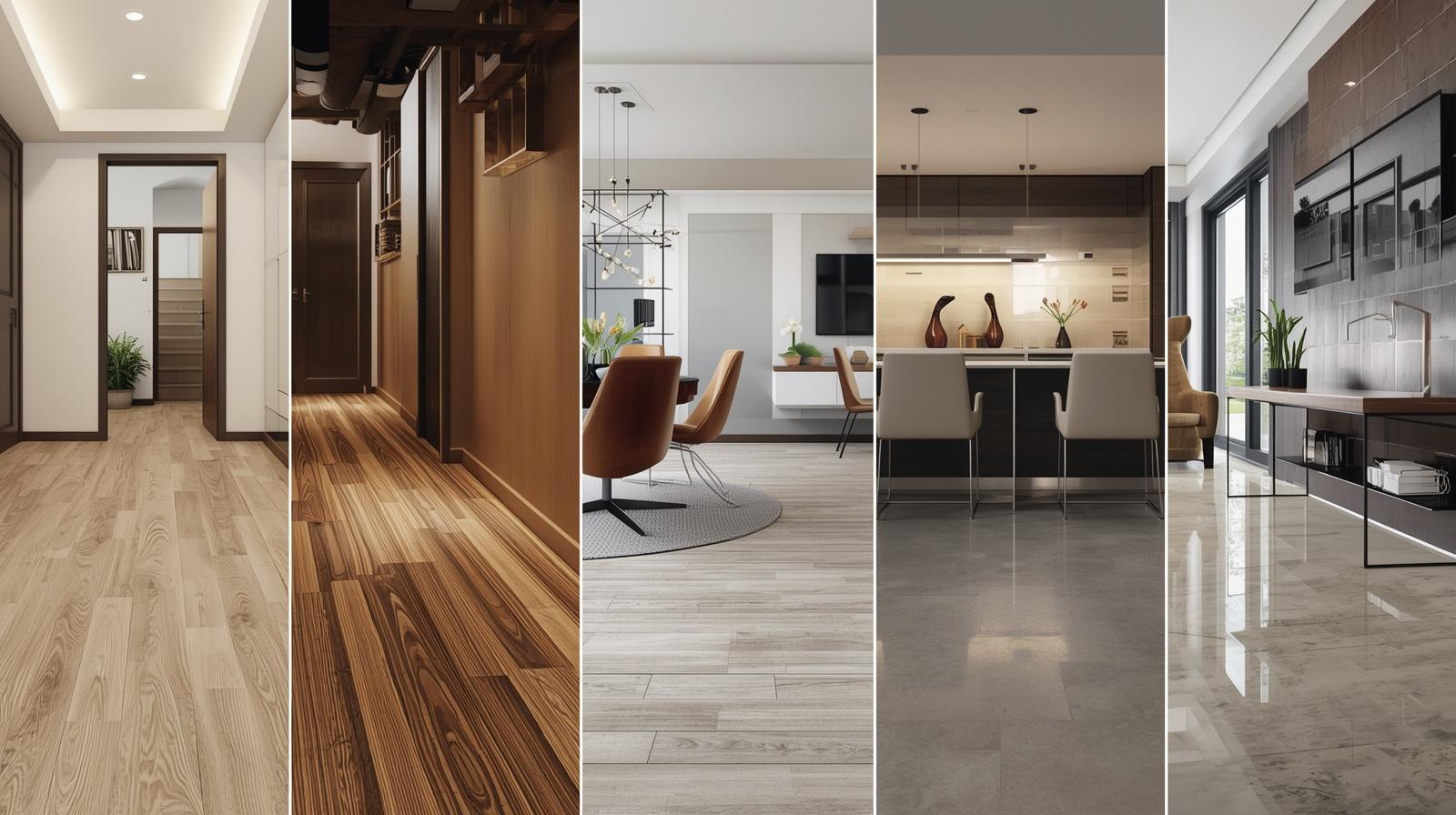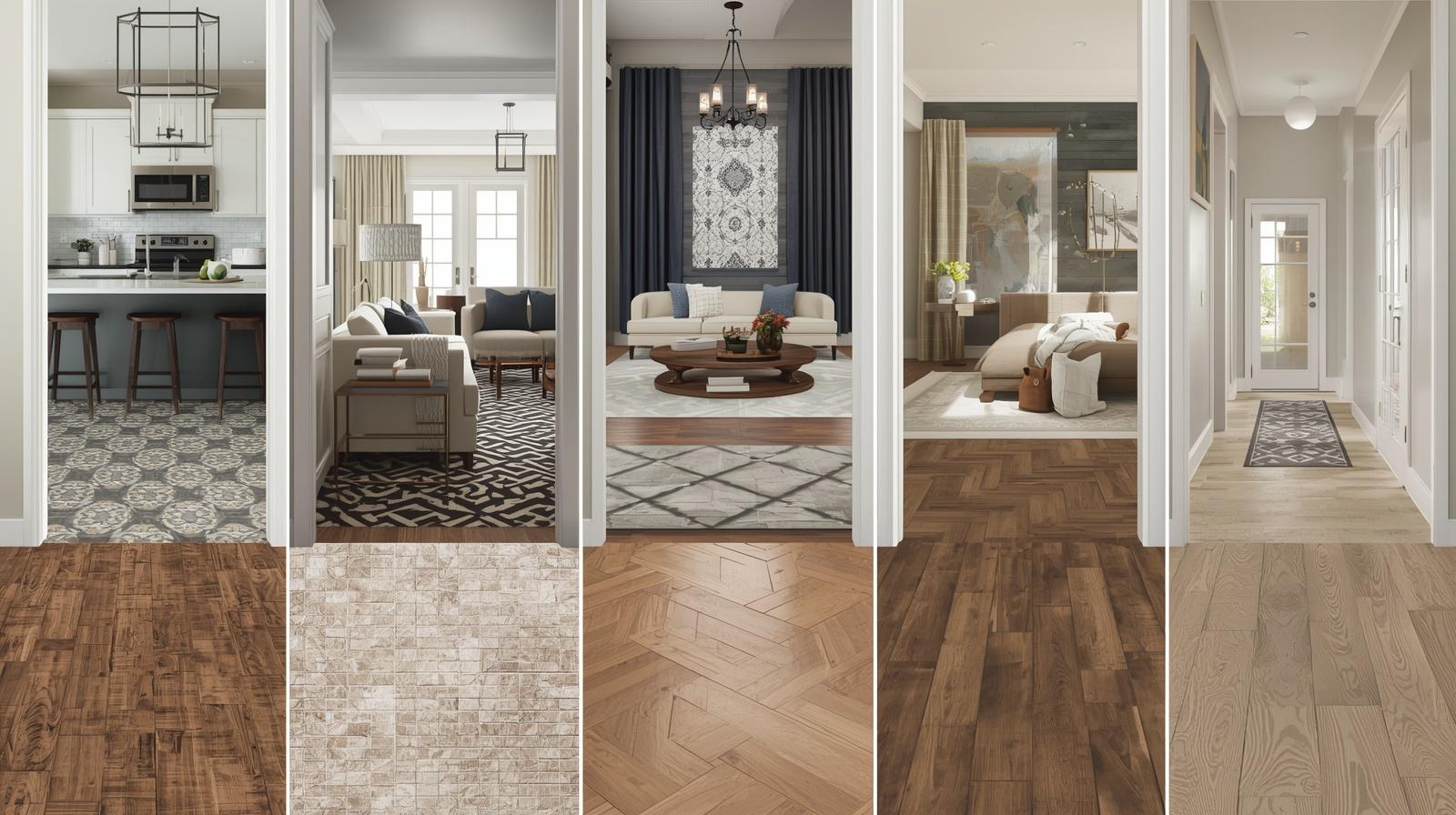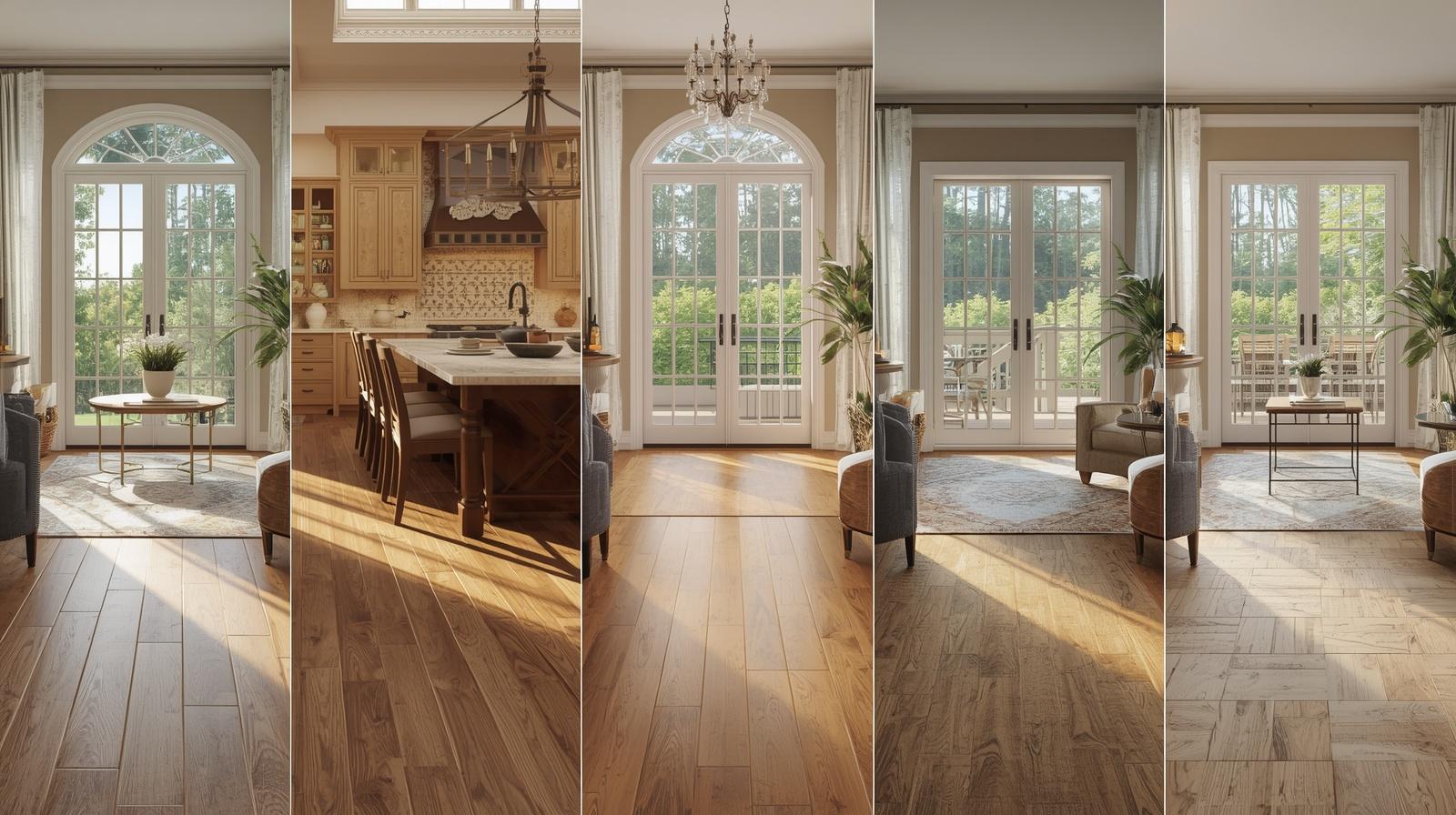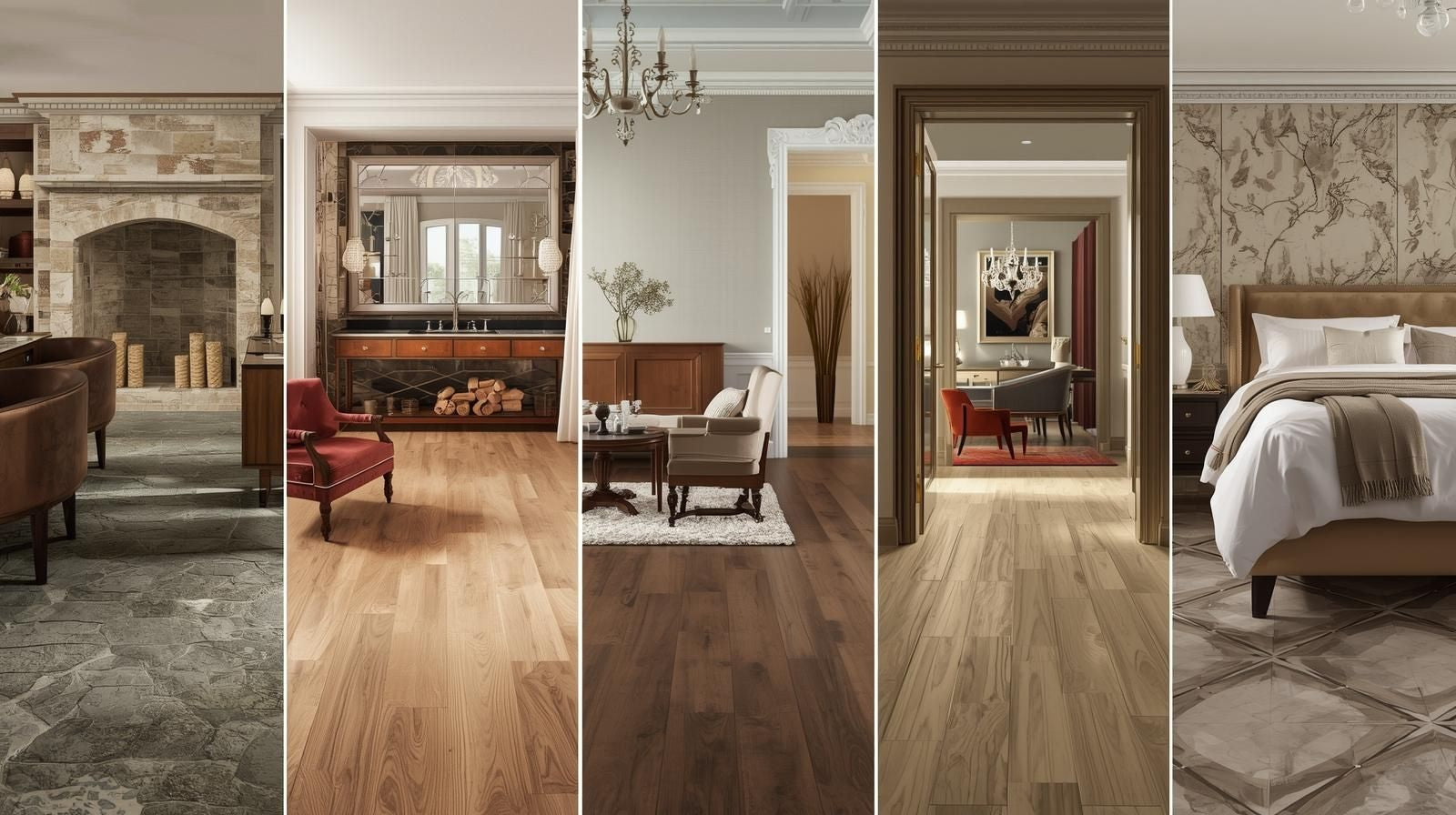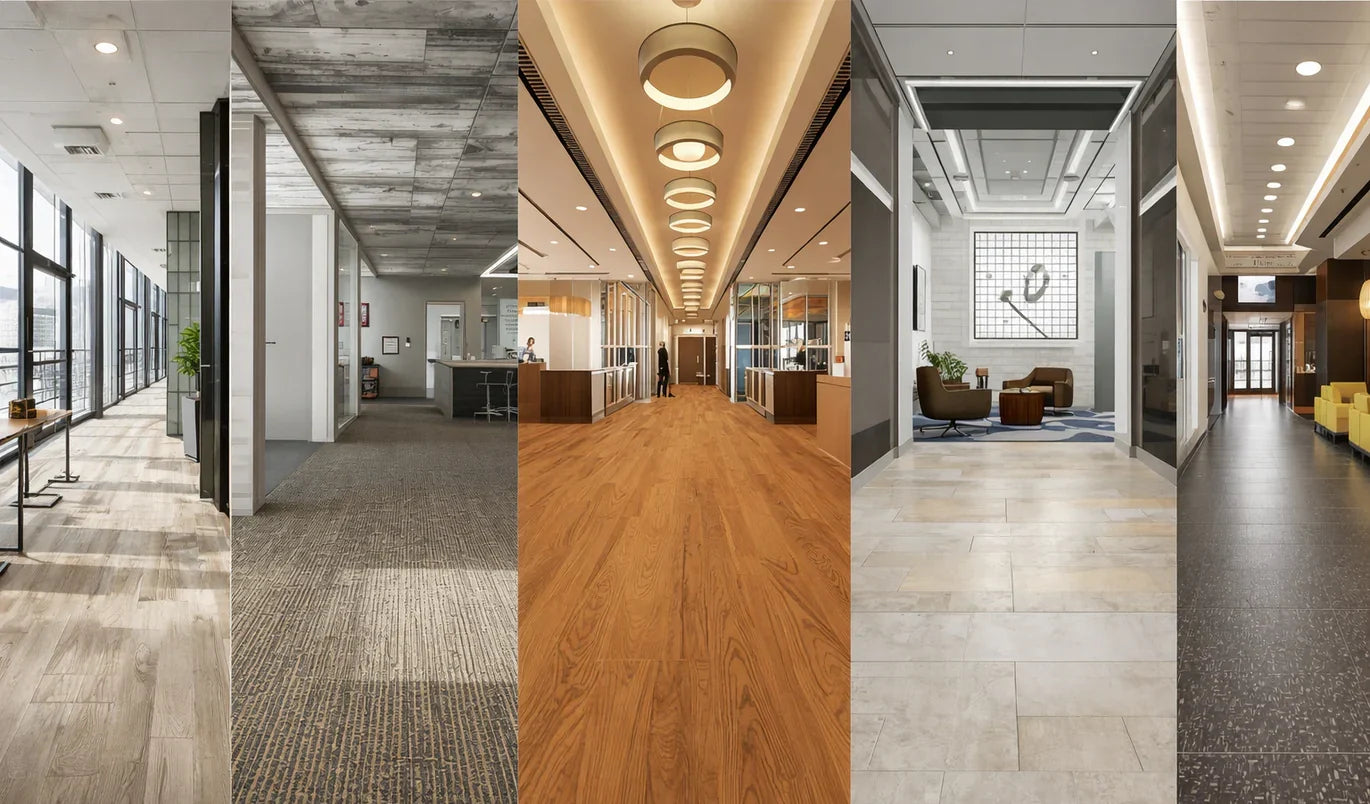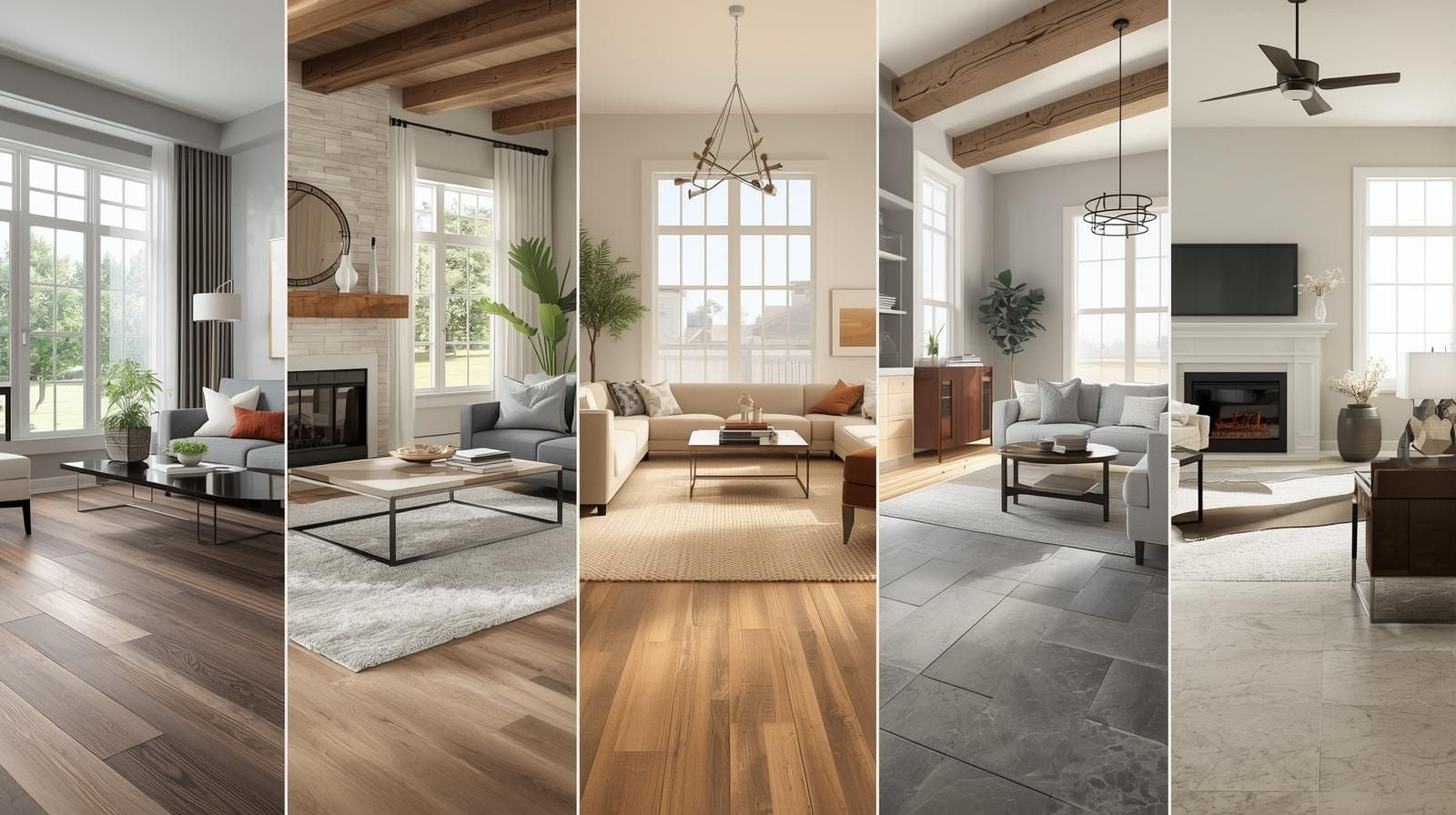


High-traffic zones in the house or workplace are those that inevitably handle the greatest amount of pressure on a daily basis, yet appear relatively undamaged because they do so in complete silence. Excessive wear on the wrong type of flooring leads to visible damage over time.
For high-traffic areas, the most suitable floor would be the one that has the ability to resist scratches and water. Luxury vinyl floor types are the best for a high-traffic office or house. Porcelain and ceramic tiles are also a good flooring option as they offer a lot of strength. Laminate floor options tend to be cheaper and scratch-resistant. Epoxy-coated concrete and stone are also very suitable for a high commercial office or even an industrial one. Carpet Tiles would be a soft and easily repairable choice for high-traffic environments.
Each option is best suited to keep busy spaces looking great while standing up to real-world use.
1. Luxury Vinyl (LVP/LVT)

Best For: Hallways, kitchens, and areas needing waterproof, scratch-resistant flooring.
Many people like vinyl flooring because it looks like wood or tile, but handles daily pressure better. This type of floor has a wear layer, a printed design film, and a solid core. Each layer adds strength. It holds up against dents, scratches, spills, and busy foot traffic.
This makes it a reliable choice not only for busy rooms but also for staircases, where durability and slip resistance matter just as much.
Check out: Stair Flooring Options
Why Choose LVT for High-Traffic Areas?
- Strong wear layer (12–30 mils) protects from scratches.
- Waterproof and safe for spill-prone areas.
- Soft underfoot compared to tile.
- Quiet, stable, and easy to install with click-lock or glue-down options.
- Maintains color integrity even in bright or dusty places.
Things to Consider
- Low-quality products can dent easily.
- Direct sunlight can fade certain designs.
- Needs a leveled subfloor for best results.
2. Porcelain or Ceramic Tile

Best For: Entryways, kitchens, bathrooms, and lounges.
You will get exceptional durability with tile flooring in high-traffic spaces, as it is not susceptible to wear. This is due to the kiln-fired substances that are hard and durable. Porcelain is heavier and has better water-resistance, and ceramic has the same strength, albeit at a marginally lower price. They both are brought in unlimited designs, stone, and wood effects.
Why Choose Porcelain or Ceramic Tile for High-Traffic Areas?
- PEI 4–5 rating ensures strong durability.
- Moisture-proof, stain-resistant, and fire-resistant.
- Extremely long lifespan.
- Ideal for heavy rolling loads, commercial trolleys, and public walkways.
- No warping or swelling.
Things to Consider
- It can feel cold and hard underfoot.
- Installation is time-consuming and requires skilled labor.
- Grout needs occasional sealing.
Check Out: Practical Flooring Options for Lounges
3. Laminate Flooring

Best For: Busy households, small offices, apartments, and budget-conscious installations.
A laminate floor combines a photographic wood layer with a tough melamine wear surface. It gives the warmth of wood but performs far better against scratches and everyday wear. Modern laminates come with water-resistant and AC-rated durability standards.
Why Choose Laminate Flooring for High-Traffic Areas?
- High AC3–AC5 wear ratings support intense foot traffic.
- Scratch-resistant and ideal for kids and pets.
- Affordable alternative to hardwood.
- Easy click-lock installation and minimal upkeep.
- Resists fading from UV exposure.
Things to Consider
- Traditional laminate isn’t waterproof.
- It can sound hollow without proper underlayment.
- Once damaged, pieces must be replaced, not refinished.
4. Engineered Hardwood Floor

Best For: Premium homes, stores, and spaces where style matters as much as strength.
An engineered hardwood floor provides a real wood veneer that has a stable plywood or HDF core. The combination provides the traditional appearance of hardwood, which, as a result, improves its ability to stand against water, temperature changes, and average traffic.
Why Choose Engineered Hardwood for High-Traffic Areas?
- Real wood surface elevates aesthetics and brand image.
- More stable than solid hardwood.
- Available in wide planks, textured finishes, and matte coats that hide wear.
- Can be refinished depending on veneer thickness.
- Strong core handles busy rooms better than traditional hardwood.
Things to Consider
- Still vulnerable to dents and scratches.
- Not ideal for very wet environments.
- Higher investment compared to vinyl or laminate.
5. Natural Stones

Best For: Homes, lobbies, patios, outdoor walkways, and entrances.
You can find numerous options in natural stone tiles like marble, granite, slate, travertine, and limestone flooring. Each one of them comes with its own natural strength and resilience. The floor gives a quality appearance, with each tile floor being unique in its grain and density. Properly sealed, stone remains firm despite traffic and severe weather over the years.
Why Choose Natural Stone & Tile Flooring for High-Traffic Areas?
- Extremely durable and long-lasting.
- Resistant to scratches, temperature changes, and heavy loads.
- Natural variation adds character and elegance.
- Great for both indoor and outdoor spaces.
- Develops a natural patina over time when maintained correctly.
Things to Consider
- Requires sealing to prevent stains.
- It can be expensive to install and maintain.
- Slippery when polished, needs textured finishes in busy areas.
6. Polished or Epoxy-Coated Concrete

Best For: Warehouses, garages, gyms, halls, and basements.
The flooring has its own following among homeowners as it offers industrial-grade durability. In this case, the concrete is coated with epoxy or polished to a smooth finish. Epoxy forms a hard, smooth surface that resists chemicals, spills, abrasion, and impact.
Why Choose Epoxy-Coated Flooring for High-Traffic Areas?
- High compressive strength suitable for machines and equipment.
- Resistant to oil, chemicals, and moisture.
- A non-porous surface reduces dust and allergens.
- Easy to clean with basic sweeping and mopping.
- Long lifespan with minimal maintenance costs.
Things to Consider
- Professional installation is required for seamless results.
- It can develop cracks if the underlying slab shifts.
- Slippery without anti-slip additives.
7. Carpet Flooring

Best For: Hospitality areas, conference rooms, children’s spaces, and quiet zones.
If it is all bout indoor space carpet tiles and commercial-grade broadloom, they remain popular. Comfort, sound reduction, and flexibility, along with performance, are what you can expect. Latest carpets are designed with stain-resistant fibers and robust backing materials.
Why Choose Carpet Flooring for High-Traffic Areas?
- Excellent sound absorption, great for offices and schools.
- Adds warmth and comfort.
- Carpet tiles make repairs easy; you can replace single squares.
- High-density fibers resist flattening.
- Safer for slips in sensitive environments.
Things to Consider
- Requires regular vacuuming and deep cleaning.
- Not suitable for wet areas or kitchens.
- It can trap dust if not maintained properly.
Choosing the Best Flooring for High-Traffic Areas
When choosing flooring for high-traffic areas, it is essential to compare your choices against a limited number of essential characteristics.
- Durability & Hardness: The flooring should be able to resist scratches & dents as well as heavyweight traffic. Porcelain tiles, Natural Stone, & good quality LVP would be appropriate for this.
- Water / Moisture & Stain Resistance: Consider spills, wet shoes, mud, or dampness of the area, and for such areas, waterproof or water-resistant materials would be suitable: LVP or LVT, Porcelain tile, Sealed Concrete.
- Maintenance Ease: It will obviously be easy to maintain floors that can be easily cleaned. Vinyl, tile, concrete, and laminated floors can be easily cleaned.
- Design Versatility & Overall Appearance: The fact is that most flooring options (vinyl, tile, laminate, engineered wood, etc.) have many different designs, so overall style doesn’t necessarily get sacrificed when improving durability via flooring installation.
- Cost in relation to Longevity: While cost will always be an important consideration, the effective lifespan of the product will not be insignificant either.
Final Thoughts
Flooring is a long-term investment, so it's important to consider how well it will handle daily wear, spills, furniture, and foot traffic while still looking polished and presentable. From the practicality of luxury vinyl and laminate to the premium durability of natural stone or engineered hardwood, each option has its own strengths and ideal use cases.
Even industrial choices like epoxy-coated concrete have their place when extreme durability is needed. You just need to match the flooring to the specific demands of your space. With the right choice, you won’t just protect your investment but create a floor that stays beautiful, safe, and low-maintenance for years.
Need Expert guidance? Call (833) 378-4559, or request a free estimate on your selected flooring today.

David Santiago

Luxury Vinyl Floor Edging Options & Best Trim Styles 2026
Lounge Flooring Options: Choosing the Right Floor for Daily Living
Related Posts