

Living with a dog, especially one trying to figure out where the bathroom is, still means that you’re forever thinking about the next accident: the puddle you didn’t catch in time, the odor that just won’t go away, or what damage might be happening slowly and silently underfoot. It’s not only frustrating; it permanently munches on your time and money, and sometimes peace.
But all or most of that hassle can be replaced by selecting a floor designed to withstand dogs peeing in the house.
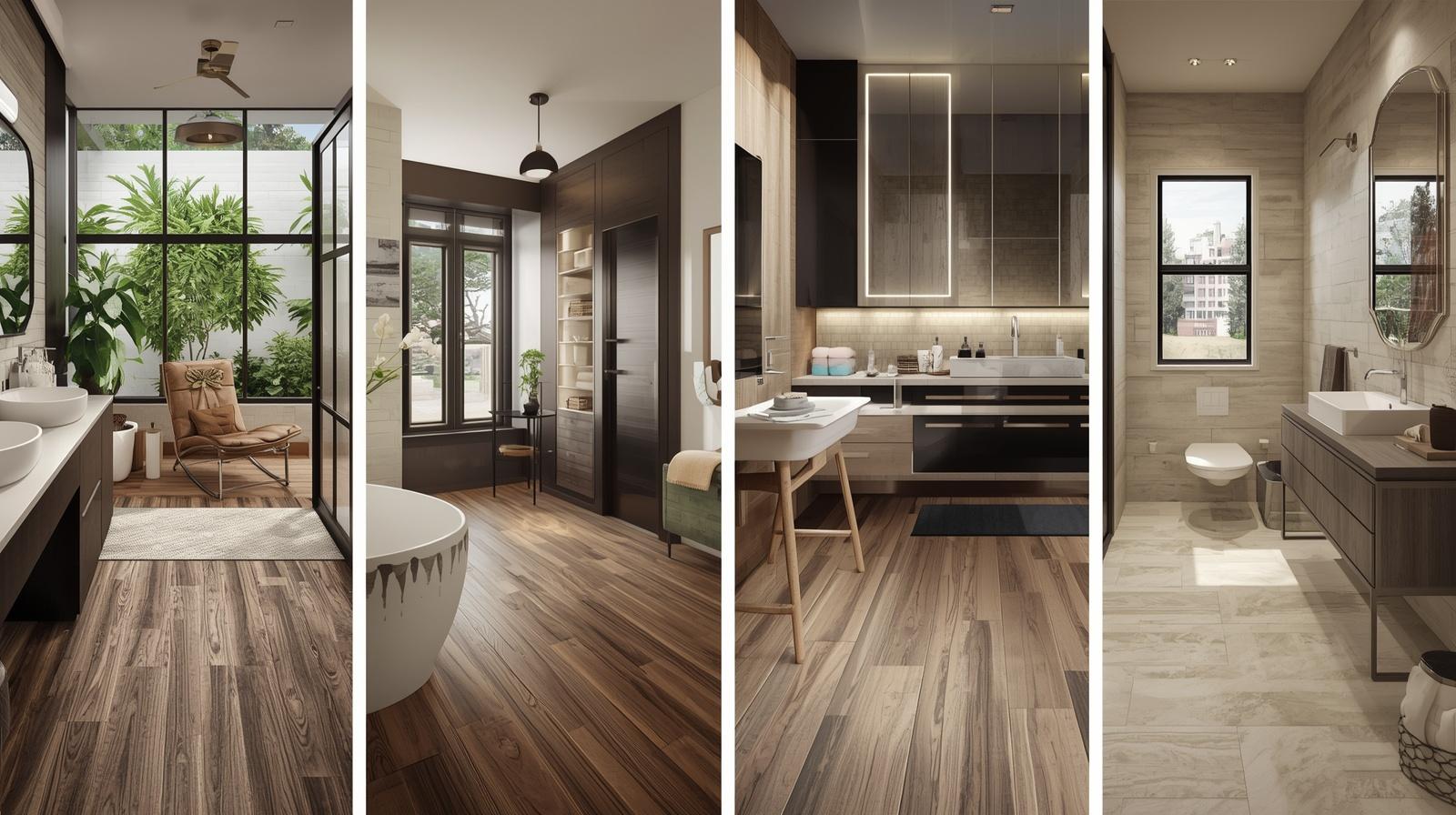
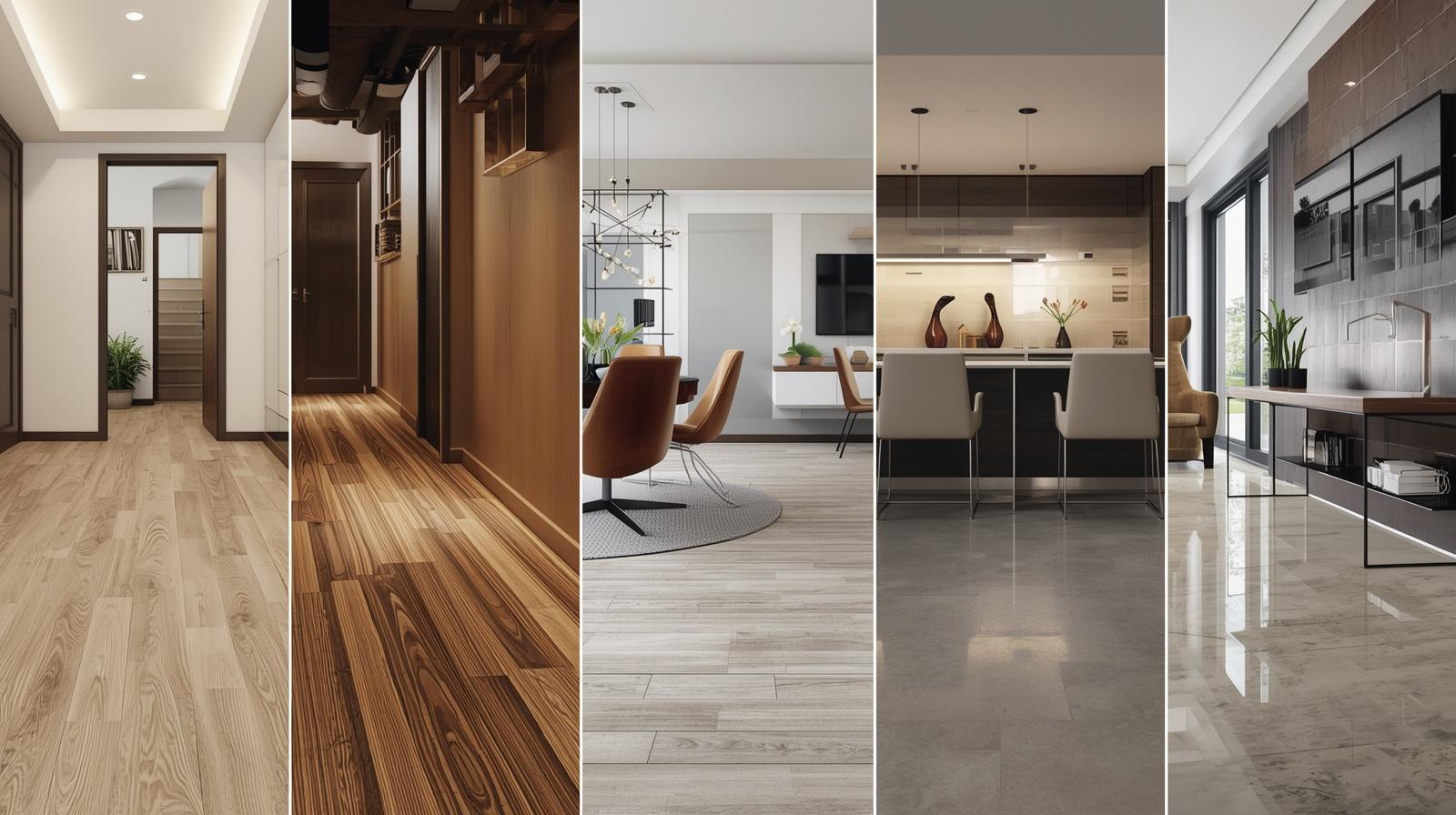
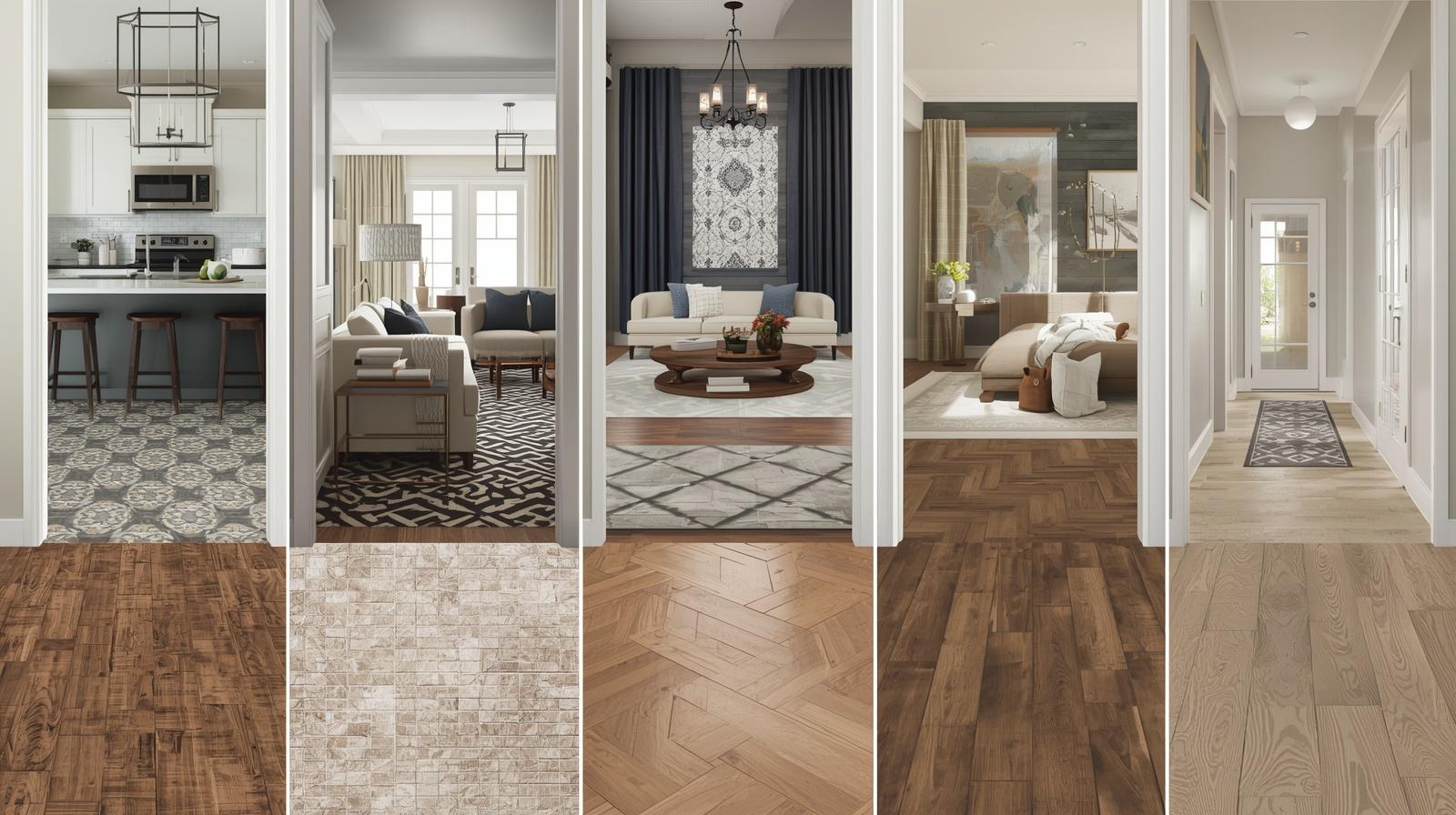
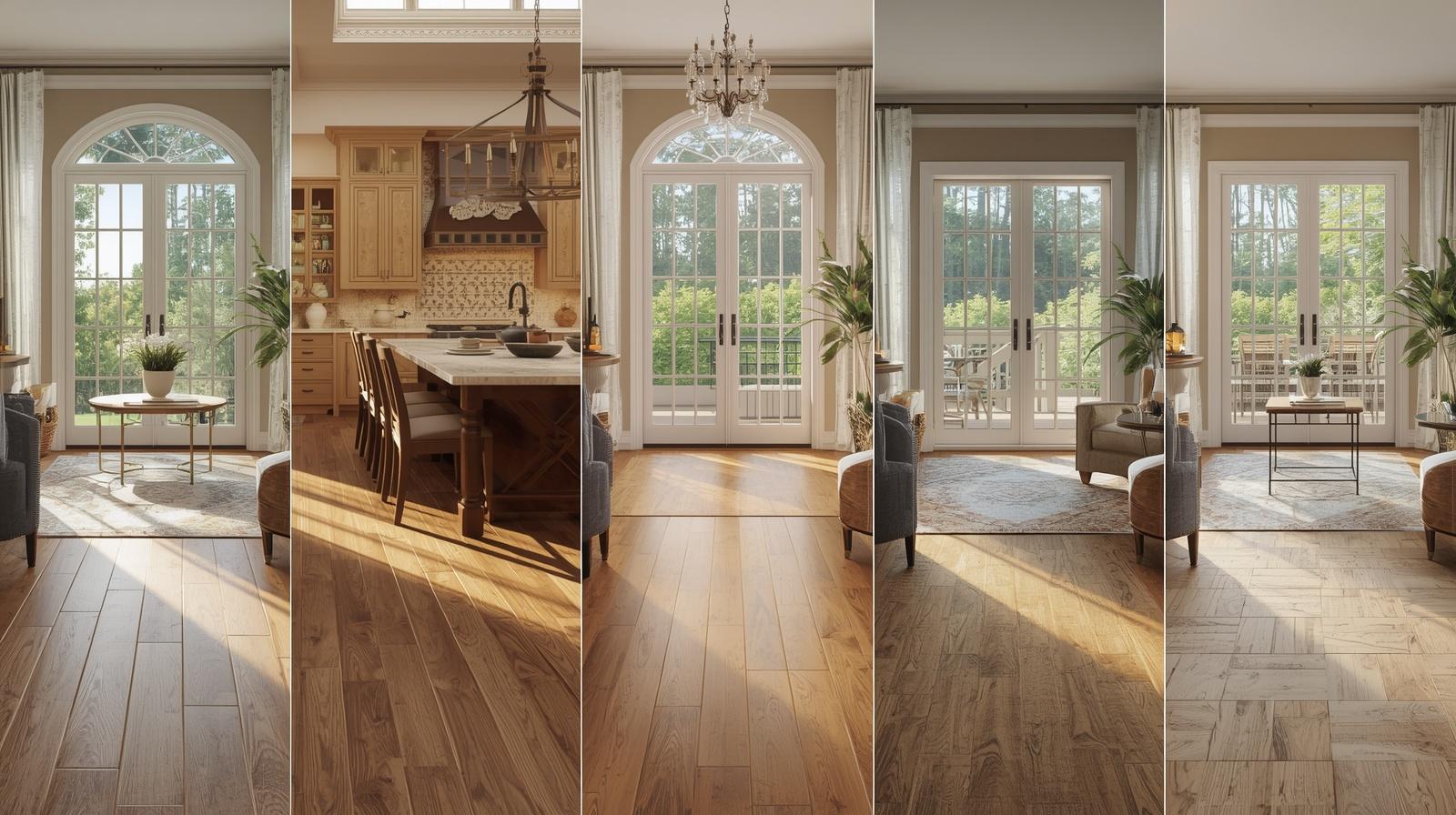
The best flooring for dogs that pee is waterproof, durable, and odor-resistant, with luxury vinyl plank, ceramic tile, and rubber flooring being top choices. These materials prevent urine absorption, clean easily, and stay safe and comfortable for pets.
Below are the flooring types that handle dog pee well:
-
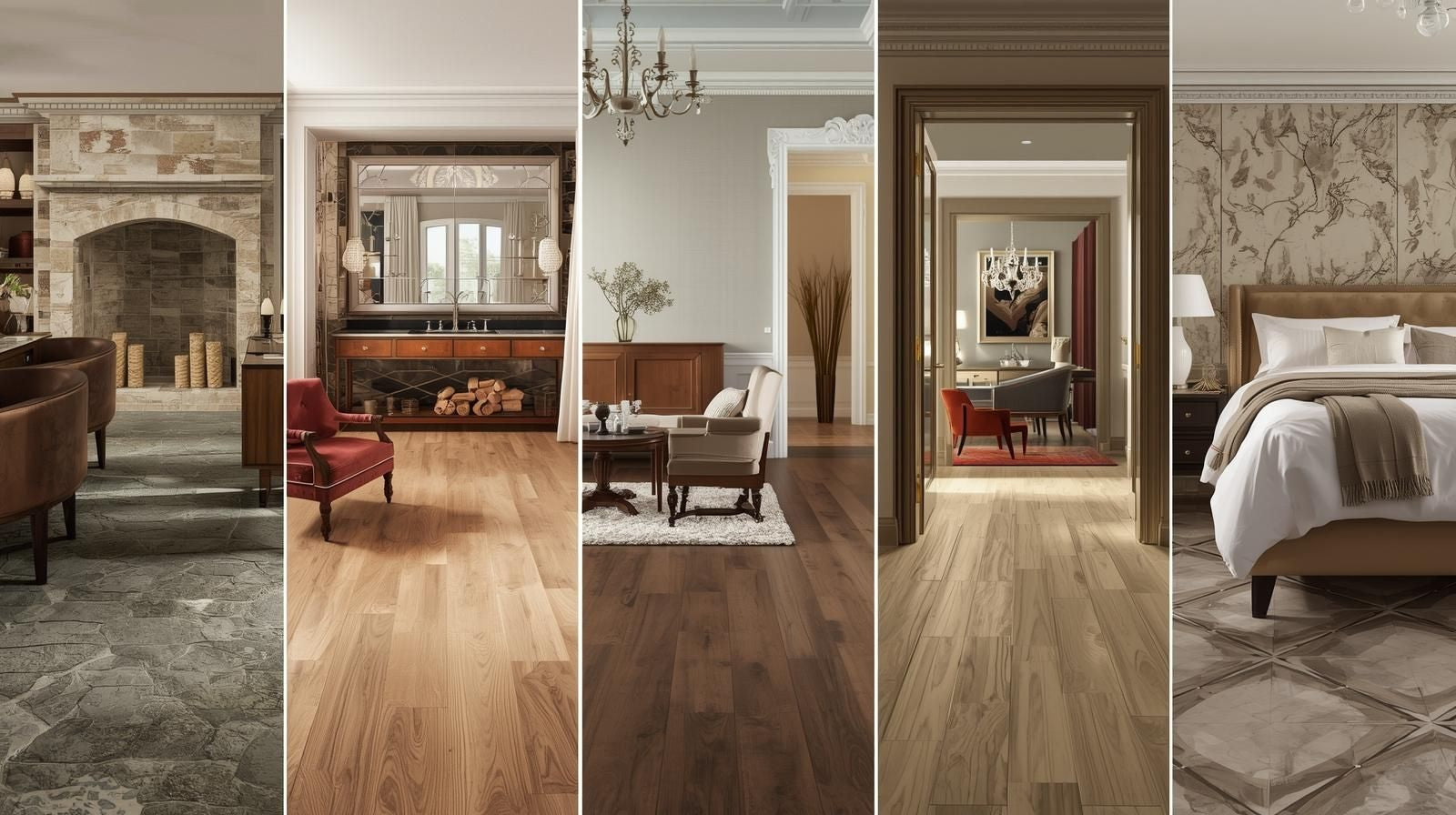
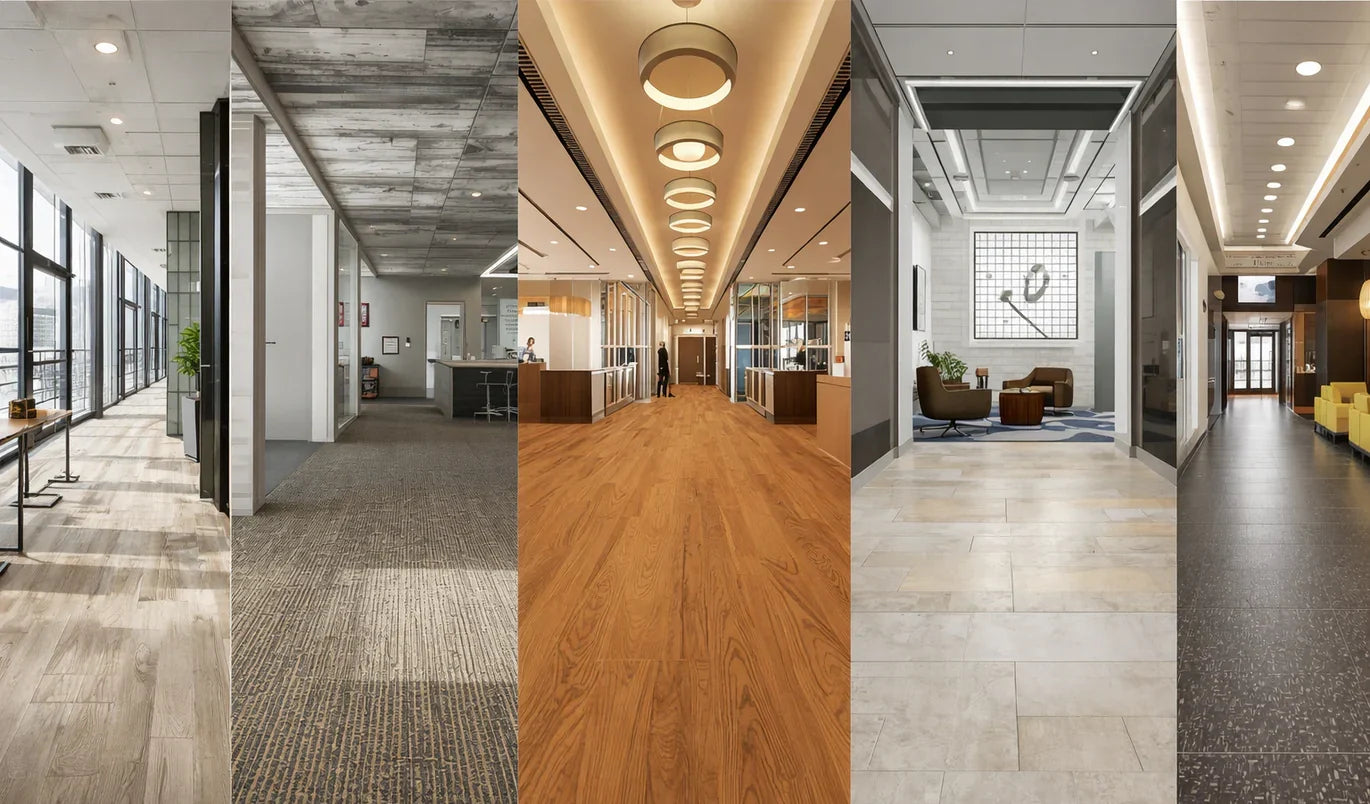
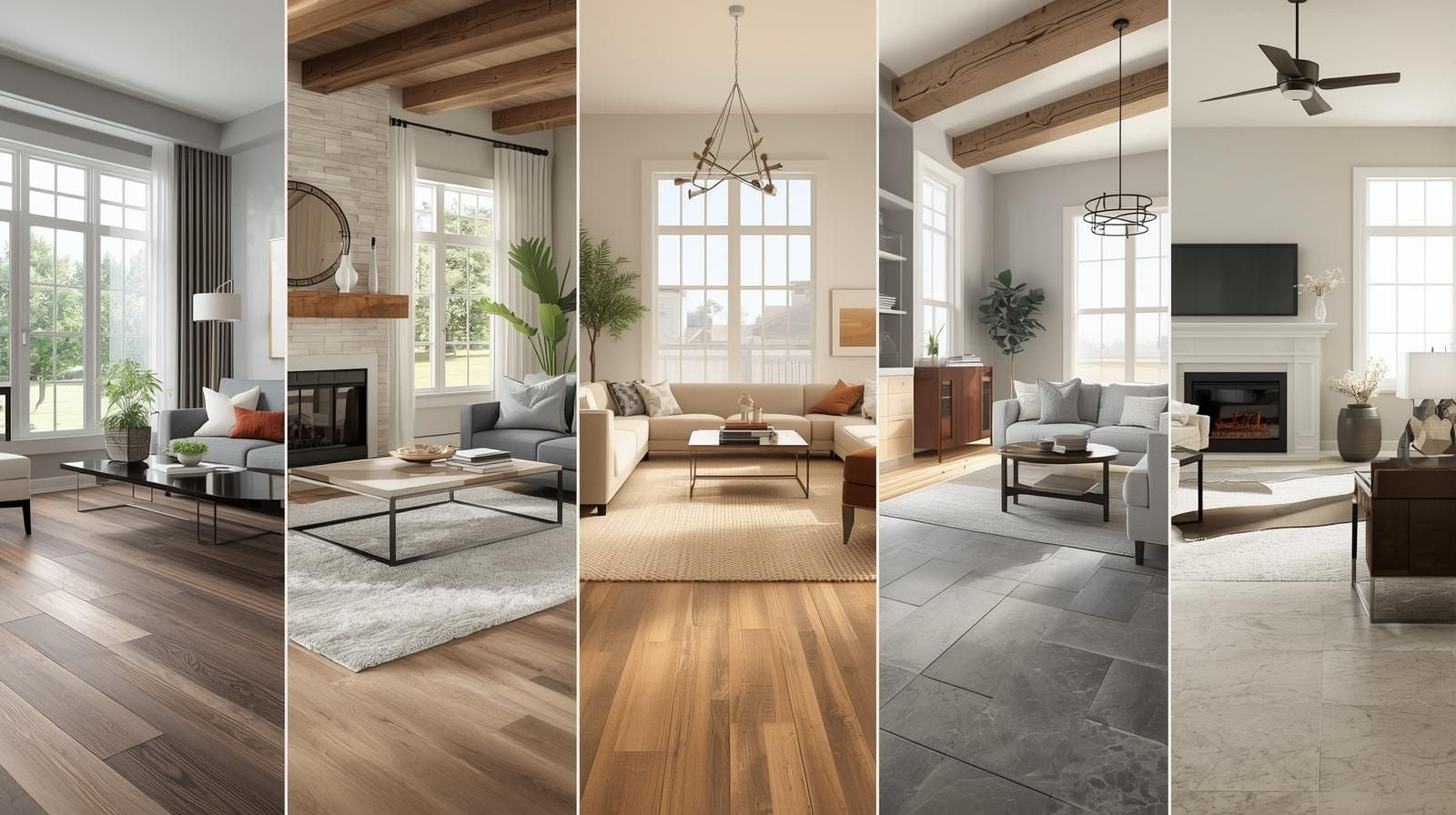
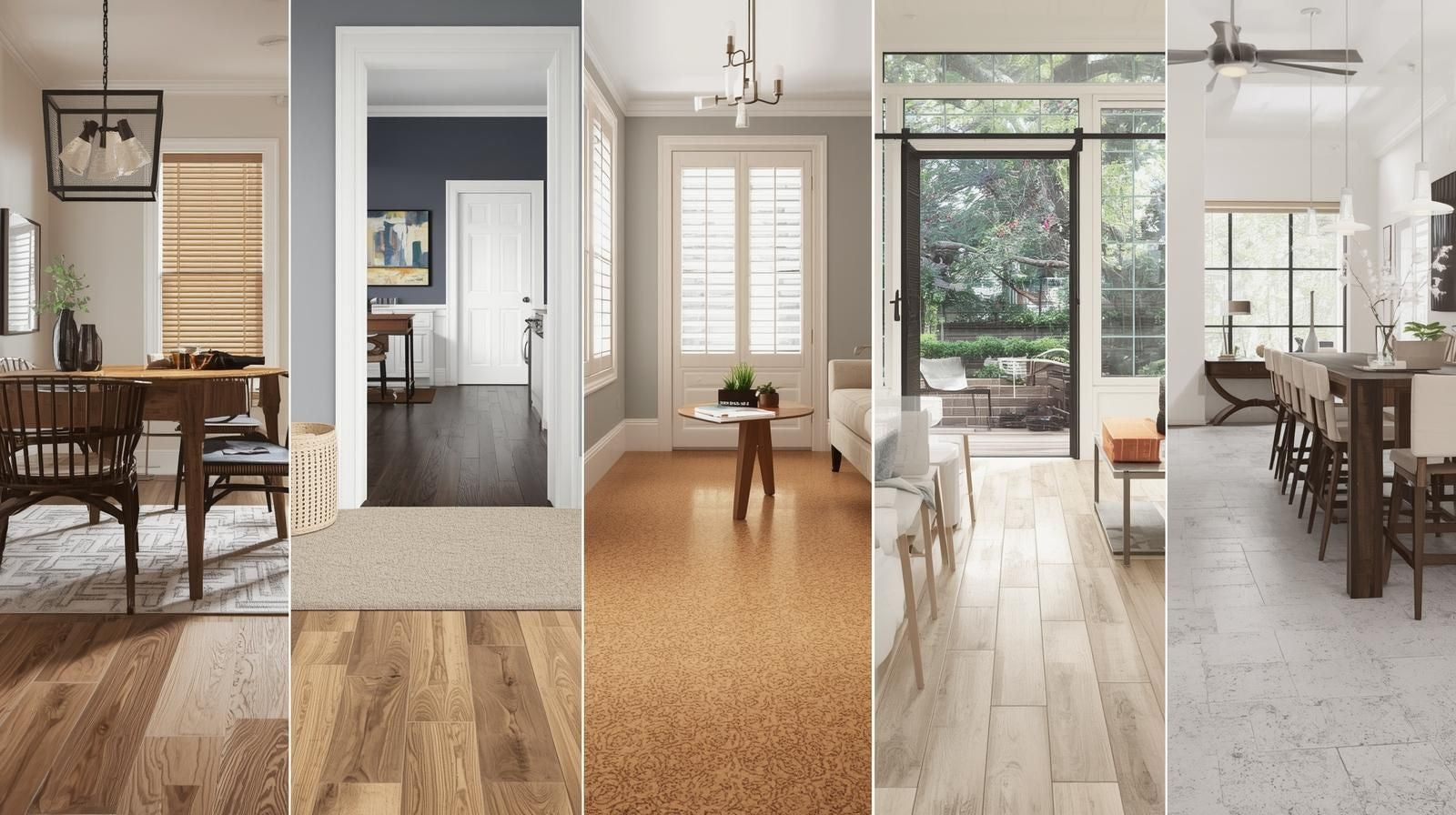
Luxury Vinyl Plank (LVP)/Rigid Core Vinyl/Sheet Vinyl – Waterproof, scratch- and stain-resistant, easy to clean, comfortable under paws.
-
Porcelain/Ceramic Tile – Highly durable, water- and stain-resistant, long-lasting, ideal for multi-dog households.
-
Laminate (Water-Resistant/Waterproof Variants) – Budget-friendly option with wood-look aesthetics; requires sealed seams to prevent damage.
-
Rubber Flooring – Slip-resistant, extremely durable, easy to clean; perfect for high-traffic or dedicated dog zones.
-
Carpet Soft Flooring (Triexta, Pet-Proof Carpets, Rugs) – Soft underfoot, warmth, with pet-stain protection; best for low-risk areas.
-
Cork/Bamboo Flooring – Eco-friendly, cushioned, and stylish; suitable for controlled accident areas with immediate clean-up.
- Hybrid Flooring – Combines vinyl/plastic composite core with wood-look finish; premium all-rounder with water protection.
1. Luxury Vinyl Plank (LVP)/Rigid Core Vinyl/Sheet Vinyl
Best for: Most homes with dogs that pee, including active dogs, frequent accidents, and busy households.

Luxury vinyl flooring has emerged as a standout for pet owners because it combines scratch resistance, waterproofing, ease of clean-up, and decent comfort under paw. For dog parents who’ve had to deal with urine, muddy paws, and nails, this is a strong all‑rounder with multiple waterproof vinyl types.
Price & lifespan estimate: Expect material cost (excluding install) in many markets to range from about $2 to S$5 per square foot (depending on quality, brand, thickness, wear‑layer). A decent mid‑tier LVP should last 10‑20 years in a dog household if maintained properly.
Things to consider:
- Even vinyl can have seams or transitions; if not sealed properly, urine may seep underneath.
- Lower‑quality vinyl may look less realistic or have thinner wear layers (less scratch resistance).
- Some vinyl products may off‑gas or have weaker warranties; check pet/animal use clauses.
2. Porcelain/Ceramic Tile
Best for: Puppies, multi‑dog households, basements, utility rooms, or where longevity and stain/odor resistance are a must.

Tile flooring is often overlooked in pet households; many people fear it is too “hard” or cold, but for the “pet‑pee” situation, it’s one of the best selections. Ceramic/porcelain is a very hard surface, resistant to scratching and staining.
Price & Life Span: Porcelain and ceramic range from $3 to $10 per square foot for materials (excluding installation); quality, finish type, and brand will also affect the price. In homes with dogs that pee, you can expect tile to last between 20 and 50 years if it’s installed correctly and properly maintained.
Things to consider:
- Tile can feel cold and hard underfoot (and to paws) unless you pair it with radiant heat or area rugs.
- Slippery when wet, choose a textured finish or matte tile to reduce risk for dogs (and kids).
- Installation cost and complexity are higher.
3. Laminate (Water‑Resistant/Waterproof Variants)
Best for: Budget‑conscious pet owners who want the look of hardwood but don’t mind some uncertainty and upkeep.

Laminate flooring receives mixed reviews in homes with pets, especially dogs. The best laminate products don’t scratch or wear through the color layer, so a single product can go a long way. Newer laminate versions boast water resistance/waterproofing, but if the seams aren’t perfectly sealed, the core will still be vulnerable to moisture.
Price & lifespan estimate: Low-end laminate may cost $1.50- $3 per square foot with installation, with higher costs for “waterproof” rated options. An average pet house lifespan can be 7 to 15 years, if taken care of properly and away from moisture.
Things to consider:
- A floating installation may allow moisture to seep underneath.
- Seams can trap liquid, so the quality of installation is crucial.
- Hard underfoot; it may not offer as much comfort for pets as softer flooring.
4. Rubber Flooring
Best for: High‑traffic or utility/dog‑zone rooms (e.g., mudroom, basement, dog area) where you expect heavy usage or repeated accidents.
Rubber flooring isn’t always considered in residential homes, but in environments where the dog’s mess is heavy (e.g., multi‑dog, puppy play‑zone, basement), it has a lot going for it: extremely durable, easy to clean, resilient, and slip‑resistant.
Price & lifespan estimate: Rubber flooring might cost $4‑8 per square foot installed (depending on thickness, brand). Lifespan can easily exceed 15‑20 years in a dog zone if maintained.
Things to consider:
- Rubber flooring may not match traditional home décor in living rooms or bedrooms.
- Rubber can be a bit louder under heavy paws unless underlayment is used.
- Proper sub‑flooring and adhesive may be needed, depending on the type.
5. Carpet & Soft Flooring (Triexta, Pet-Proof Carpet, Rugs)
Best for: Bedrooms, guest rooms, den, and areas where accidents are rare or controlled.

AbodeStock/GoingPlace
Soft surfaces (carpet, rugs) offer comfort and warmth to pets, especially older dogs with joint issues. But when it comes to dogs that pee, they present a higher risk because liquids soak in, odor lingers, and cleaning is harder. Many carpet manufacturers now offer pet‑specific carpets (e.g., Triexta fiber, stain/urine protection), which improves the game.
Price & lifespan estimate: Pet‑resistant carpet may cost $2‑5 per square foot installed. Lifespan in a dog‑pee household might be 5‑10 years before staining/odour becomes unacceptable, sometimes sooner if accidents are frequent.
Things to consider:
- Soft surfaces absorb urine and odors more readily; time is of the essence.
- High maintenance: you’ll likely need periodic deep cleaning and deodorizing.
- Not as durable under claws and heavy play as hard surfaces, may show wear sooner.
6. Cork / Bamboo Flooring
Best for: Specialty needs, e.g., a dog with mobility issues or eco‑conscious homes (bamboo).

Cork flooring offers cushion underfoot, warmth, and more traction for pets. Bamboo is dense and stylish. Yet both have vulnerabilities when dogs that pee are involved. Cork is somewhat moisture‑resistant but not immune; bamboo (depending on finish) may struggle with repeated urine exposure.
Price & lifespan estimate: Cork or bamboo in a pet‑friendly finish might cost $3‑7 per square foot installed. Lifespan could be 8‑15 years if well maintained and accidents are controlled. But if frequent accidents occur, you risk warping, staining, or needing replacement earlier.
Things to consider:
- Only suitable if accidents are rare and cleaned immediately.
- Seams and edges must be well‑sealed; otherwise, urine can penetrate.
- Fewer pet‑specific warranties or options compared to vinyl and tile.
7. Best Hybrid Flooring for Pet‑Friendly Homes
Best for: Homeowners wanting a balance between style, durability, comfort, and pet‑friendliness, essentially a “premium all‑rounder

AbodeStock/IgorNormann
Hybrid flooring includes some newer materials that combine a rigid vinyl/plastic composite core with a high‑quality wood look finish. They aim to give the aesthetic of laminate/hardwood with better water protection. Some are marketed as “pet‑friendly” in resilient flooring guides.
Price & lifespan estimate: 12–20+ years, depending on usage and care. Often $4‑$8 per square foot (material) for high‑end hybrid products.
Things to consider:
- Higher upfront cost than basic vinyl or laminate.
- May still have governing seams or transitions; installation quality matters.
- Warranty may not specifically cover pet urine or accidents; check the fine print.
The #1 Hidden Enemy: Urine Reaching the Subfloor
Even regular cleaning may not prevent urine from penetrating seams or edges and making its way to the subfloor, an issue that is all but impossible to resolve. Wood and composite materials are chemically broken down by urea, which can warp them and leave behind lingering odors, damage that enzyme cleaners, the best for eradicating urine stains on carpets, often can’t undo once it’s penetrated.
Early warning signs: Lingering odors, soft spots, or discoloration around seams and corners.
Prevention tips: Apply sealant to seams, invest in a waterproof underlayment, use good-quality vinyl, tile, or hybrid flooring, and clean accidents immediately. You might be able to save minor surface spills, but deep subfloor damage often means replacement.
So, always tell your installer: "I have a dog with accidents, please seal edges and reinforce seams.”
Pet-Safe Grout, Sealants & Treatments (Actual Reddit Recommendations)
- Epoxy grout – the top choice: It’s waterproof, stain-proof, and nearly pee-proof.
- Urethane grout: Flexible, easier to apply, still highly resistant.
- Sealant for ceramic tile grout: Must be reapplied every 1–2 years.
- Pet-safe enzyme cleaners: Good for fresh accidents — not for deep subfloor contamination.
- Moisture barriers & underlayments: Stops urine from soaking into the subfloor, especially under LVP.
FAQs
What flooring is the least likely to absorb dog pee?
Sheet vinyl (linoleum style) and LVP with tight seams are top picks. Tile is also great, but you need to pick smooth finishes and seal or epoxy your grout properly.
Does Dog-Proof Flooring Even Exist?
Nothing is 100% dog-proof. It’s about minimizing the damage and clean-up time.
What’s the easiest floor to clean dog urine from?
Tile or high‑quality vinyl with well‑sealed joints is easiest. Carpet or soft flooring is significantly more challenging in this regard.
What do I do if urine has already gotten into the subfloor?
Use a strong enzyme cleaner, but if the subfloor is soaked, cleaning may not be enough, and the damage could be serious.
How do I stop urine from going under floating flooring?
Seal perimeter edges and use waterproof underlayment.
Conclusion: The Best Flooring for Dogs That Pee
There’s no magical dog-proof floor — but there are floors that make life dramatically easier. So, if you’re planning to buy flooring that stands up to repeated accidents, choosing the right material from the start saves thousands later. Here’s how to choose the right one:
- Identify your dog type (puppy, senior, incontinent, anxious).
- Set a realistic budget.
- Decide your style preference (wood-look, stone-look, soft surface, etc.).
- Match a flooring type from the list above to your risk level + lifestyle.
- Get proper installation—especially for seams and moisture protection.
If you need help choosing, Royal Floors Online can walk you through options that fit your lifestyle, your dog, and your budget.
Call at (833) 378-4559 for tailored guidance, samples, and expert recommendations.

David Santiago

6 Best Flooring Ideas For Rental Properties in 2026
Refinishing Engineered Hardwood Floors: What’s Possible (And What Isn’t)
Related Posts