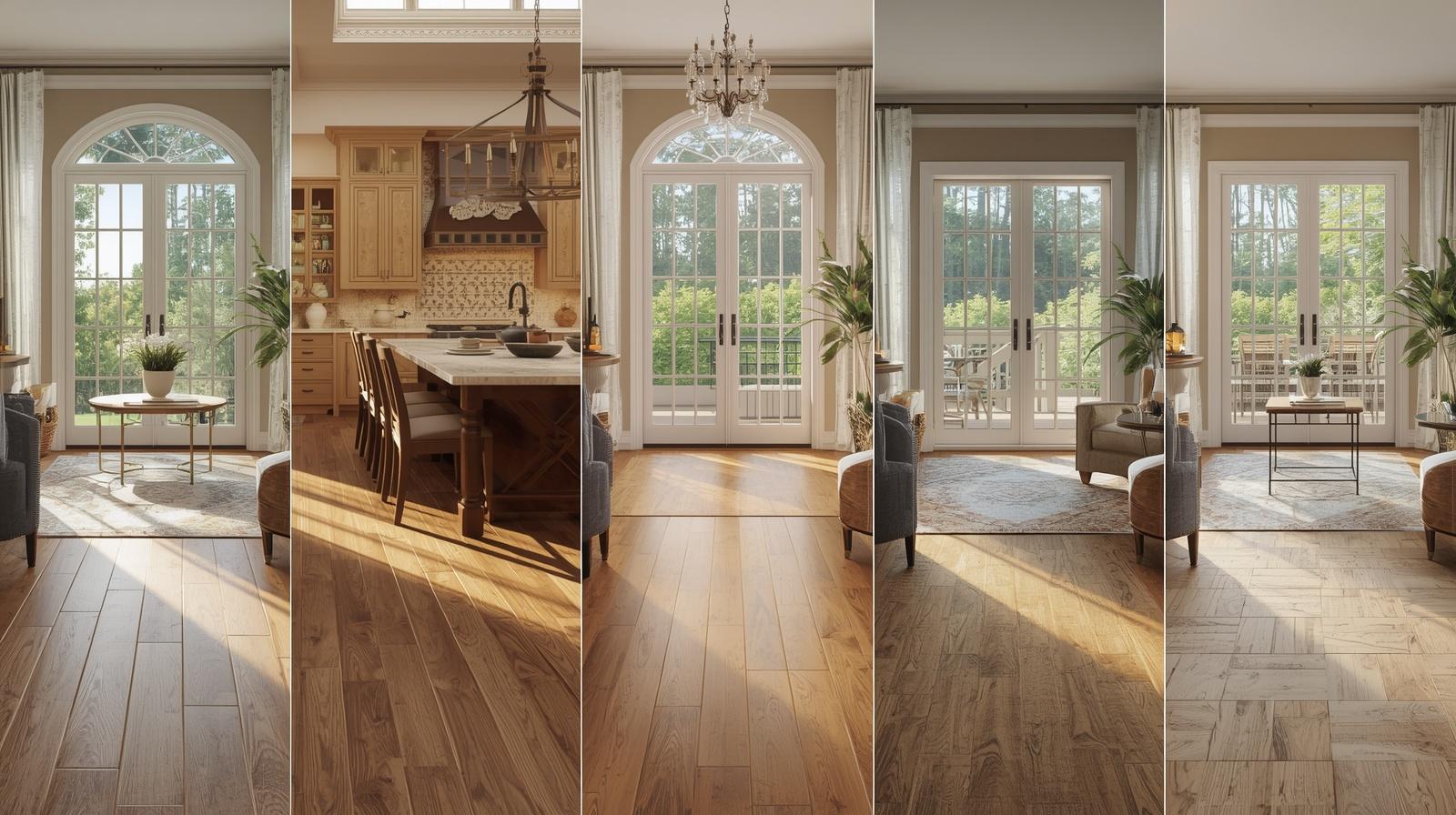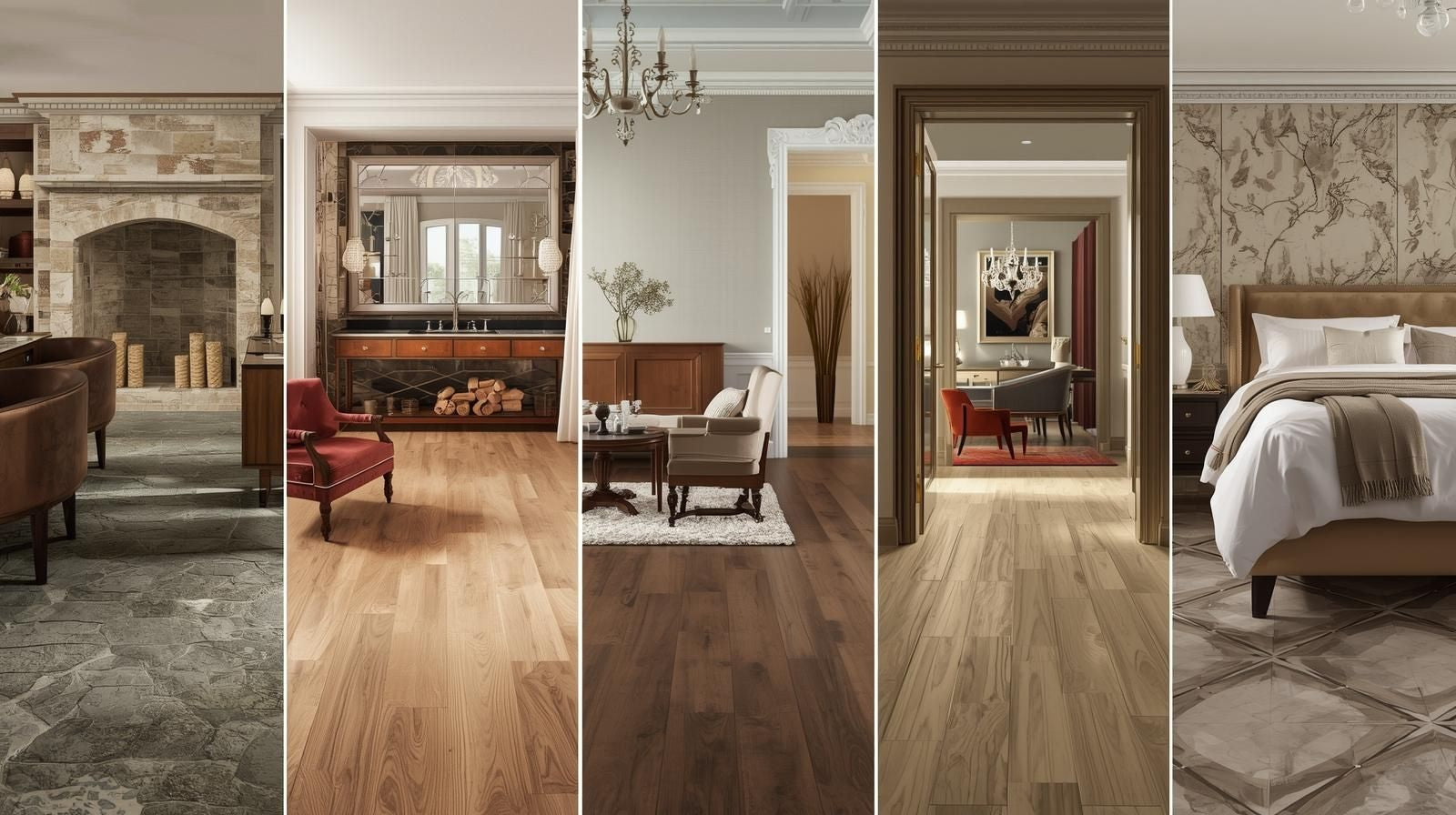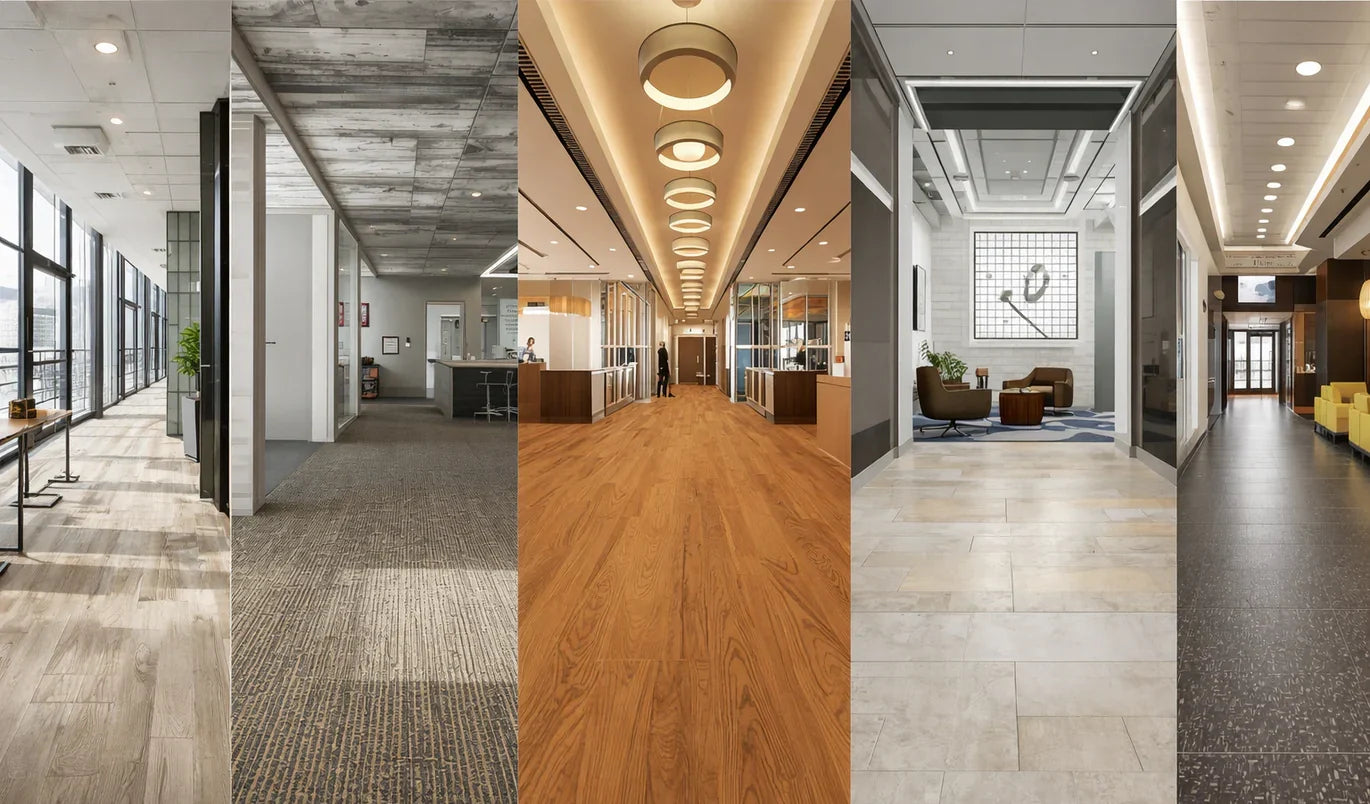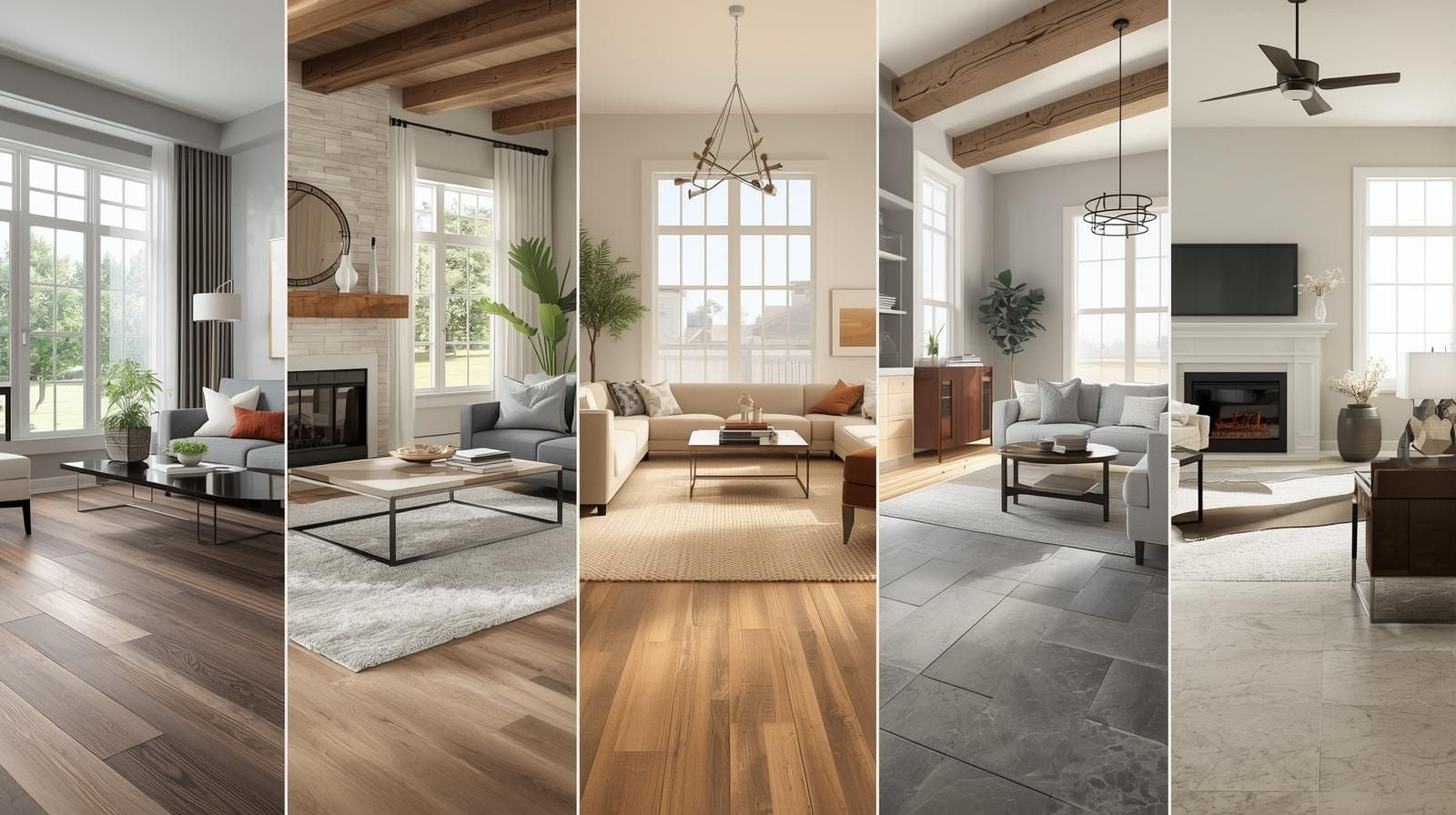


When tenants move in and out, floors take the brunt of it, like scratches from shoes, spills from pets, and the daily grind of heavy traffic. One wrong flooring choice can mean a flood of problems: extra cleaning, patching, early replacements, and frustrated renters.
On the other hand, the right floor can quietly handle years of wear while keeping your unit looking fresh and your maintenance costs predictable, especially in Arizona’s unique climate, where heat, sun exposure, and occasional monsoon moisture can affect flooring performance.
In this guide, I’m breaking down the most durable, low-maintenance, and tenant-friendly options, so when you buy flooring for your rental, you know exactly what works for you.
Flooring Options for Arizona Rentals include:
- Luxury Vinyl flooring: Durable, waterproof, low-maintenance. Solid resale value.
- Laminate Flooring, Affordable, decent durability. Resale value is moderate.
- Carpet flooring is comfortable for tenants but has relatively lower resale value.
- Ceramic and Porcelain tile, Waterproof, and a premium look. Strong resale potential.
- Hardwood and Engineered Wood floor, Highest resale value, usually 70-80% ROI
- Cork/Bamboo Flooring, Eco-friendly, soft, sound-absorbing. Unique appeal; moderate-to-high resale potential depending on quality.
1. Luxury Vinyl Plank/Tile (LVP / LVT)

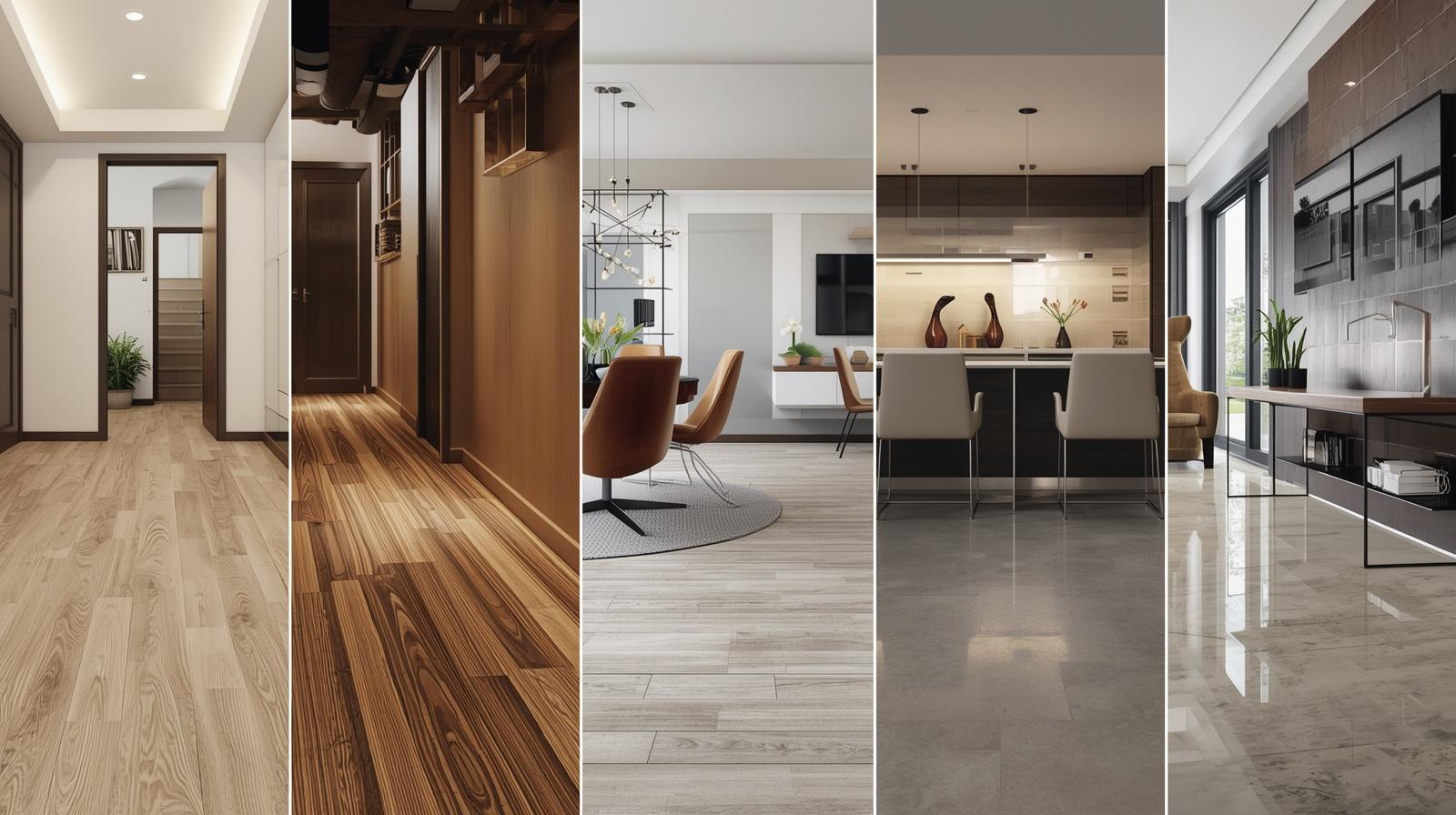
Best suited for: Kitchens, living rooms, and hallways for high-traffic areas.
LVP (planks) and LVT (tiles) are modern engineered flooring formats that mimic the appearance of wood or stone but sit atop synthetic or composite cores, often featuring thick wear layers designed for heavy use. Vinyl flooring is built to resist scratches, stains, and sometimes even standing water.
Why is it a good option for rental properties
- Durable enough for heavy tenant traffic, moisture events, pets, etc.
- Easy to clean and maintain, which means less fuss between tenancies.
- Quality flooring, whether it be stone or wood-look, is seen by tenants as an improvement, which can help you draw in better tenants or raise your rent.
- Install and replacement are relatively straightforward; damaged planks or tiles can often be replaced individually in good systems.
Things to consider
- While very resilient, the cheapest LVP/LVT may still have shorter wear layers; choose quality.
- The resale value is not as much as hardwood. It’s a strong choice but has limits.
2. Laminate Flooring

Best for: Living rooms, dining rooms, and moderate traffic areas.
Laminate flooring is made up of a core (usually high-density fibreboard), a photographic layer that resembles wood or other materials, and a wear layer on top. Click-lock systems are frequently used, allowing for comparatively quick installation.
Why is it a good option for rental properties
- Cost-effective, gives the look of wood without the cost of real wood.
- Durable against scratches/dents in living areas, and easy to maintain.
- Quick installation and replacement of planks/boards if damaged.
Things to consider
- Avoid laminate without a moisture barrier in a rental environment – spill risk is higher.
- Lower quality boards may show wear/fade quickly under heavy use.
- Sound/impact issues may arise in multi-unit or upstairs units if no good underlay.
3. Carpet / Carpet Tiles

Best for: Bedrooms, upstairs units, spaces where noise control is a priority.
Carpet is a soft, textile flooring option, and carpet tiles are modular pieces that allow easy replacement of damaged sections. Carpet remains common because of its warmth, noise absorption, and comfort underfoot.
Why is it a good option for rental properties
- In bedrooms (especially in cooler climates), tenants appreciate the soft underfoot feel.
- Carpet tiles allow quick replacement of stained or damaged sections without full carpet replacement, good for landlord efficiency.
- Noise reduction is a key tenant satisfaction factor (less footfall noise, more comfortable for families).
Things to consider
- Carpet lives shorter in rentals compared to hard surfaces; expect more frequent replacement.
- Stains, odors (especially from pets) are a big risk and may reduce deposit recovery.
- In multi-unit buildings, noise impact is higher, carpet helps, but quality underlay may be required.
4. Tile (Ceramic / Porcelain)

Best for: Bathrooms, kitchens, entryways, or for short-term stays.
Ceramic or porcelain tile flooring undergoes heating at high temperatures to create very hard, non-porous surfaces. When properly placed, they usually endure many years and are resistant to stains, water, and high traffic.
Why is it a good option for rental properties
- Ideal in moisture-prone areas (bathrooms, kitchens), less risk of warping, rot, swelling.
- Clean look, perceived as premium by tenants.
- Low maintenance in many cases (sweeping, mopping, occasional grout cleaning).
Things to consider
- Higher upfront costs and longer installation times could increase vacancy downtime.
- Hard underfoot, may not suit all tenant profiles in living areas.
- Attention is required for grout maintenance, especially if tenants are less diligent.
5. Hardwood/Engineered Wood

Best for: Higher-rent rentals, living rooms, or bedrooms.
Solid hardwood is genuine timber flooring. Engineered hardwood flooring features a veneer of real wood over layers of plywood or a composite core, providing better dimensional stability and a somewhat lower cost.
Why is it a good option for rental properties
- Strong aesthetic and premium perception can attract higher-quality tenants and justify higher rent.
- Longevity, when well maintained, may last decades if cared for.
- In premium rentals, it can offer a differentiator in a competitive market.
Things to consider
- Higher upfront cost
- Sometimes higher installation/maintenance cost.
- Engineered wood cannot always be refinished as many times as solid hardwood, so under-tenancy wear still matters.
- For hardwood, you may need to invest in protective programs.
6. Cork / Bamboo Flooring

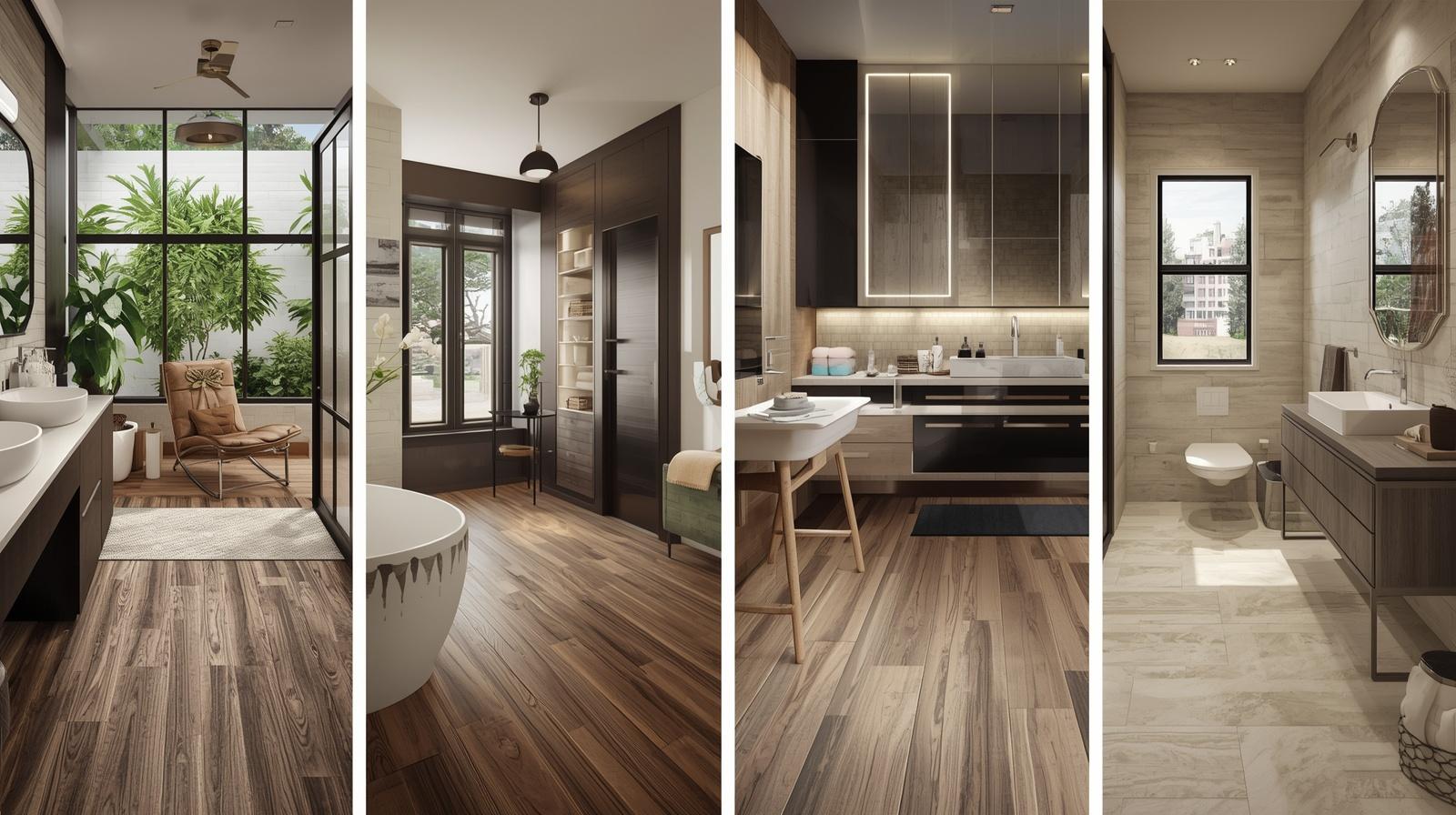
Best for: Bathrooms, kitchens, entryways for a modern feel.
Cork flooring is composed of cork oak. It is eco-friendly, sound-absorbing, soft, and insulating. Bamboo is a fast-growing plant that is used in flooring to give it a wood-like appearance while having a distinct environmental impact. These are becoming more prevalent in boutique or upscale apartments, although they are less popular in basic rentals.
Why is it a good option for rental properties?
- Unique, somewhat premium feel, can help set your unit apart.
- Cork offers sound absorption and warmth underfoot (good upstairs).
- Bamboo may appeal to modern renters prioritising sustainability and aesthetics.
Things to consider
- Require more careful maintenance.
- In high-humidity or water-prone zones, ensure the material is rated for such conditions.
Key Criteria When Selecting Flooring for Rentals
Let’s summarise the core considerations every landlord should weigh:
- Financial Impact: Up-front cost vs lifetime cost; budget for installation + maintenance + eventual replacement.
- Durability & Maintenance: How well will it hold up to tenant wear? How easy/cheap is it to maintain or repair?
- Aesthetic & Market Appeal: Does it look good enough to attract and retain quality tenants? Does it fit your market tier?
- Rental Type Considerations: Short-term vs long-term tenant, pet-friendly unit vs family vs single professional; climate/humidity; traffic levels.
- Tenant Comfort & Safety: Is the floor safe, comfortable, quiet, and appropriate for the budget of your tenants? Does it fit their expectations?
Conclusion
The best flooring for rental property combines durability, low maintenance, and tenant appeal. Luxury vinyl, tile, and engineered hardwood handle traffic, spills, and wear, while carpet or cork adds comfort and noise reduction, helping landlords protect deposits and boost ROI.
Choosing the right flooring based on the unit’s use and tenant profile ensures lower maintenance costs, happier renters, and a stronger long-term return on your investment.
For expert guidance on the best flooring solutions for your Arizona rentals, call a local flooring specialist at (833) 378 4559.

David Santiago

6 Best Flooring Options for Uneven Floors (Plus What to Avoid)
Best Flooring for Dogs That Pee: The Surfaces That Actually Survive Real-Life Accidents
Related Posts