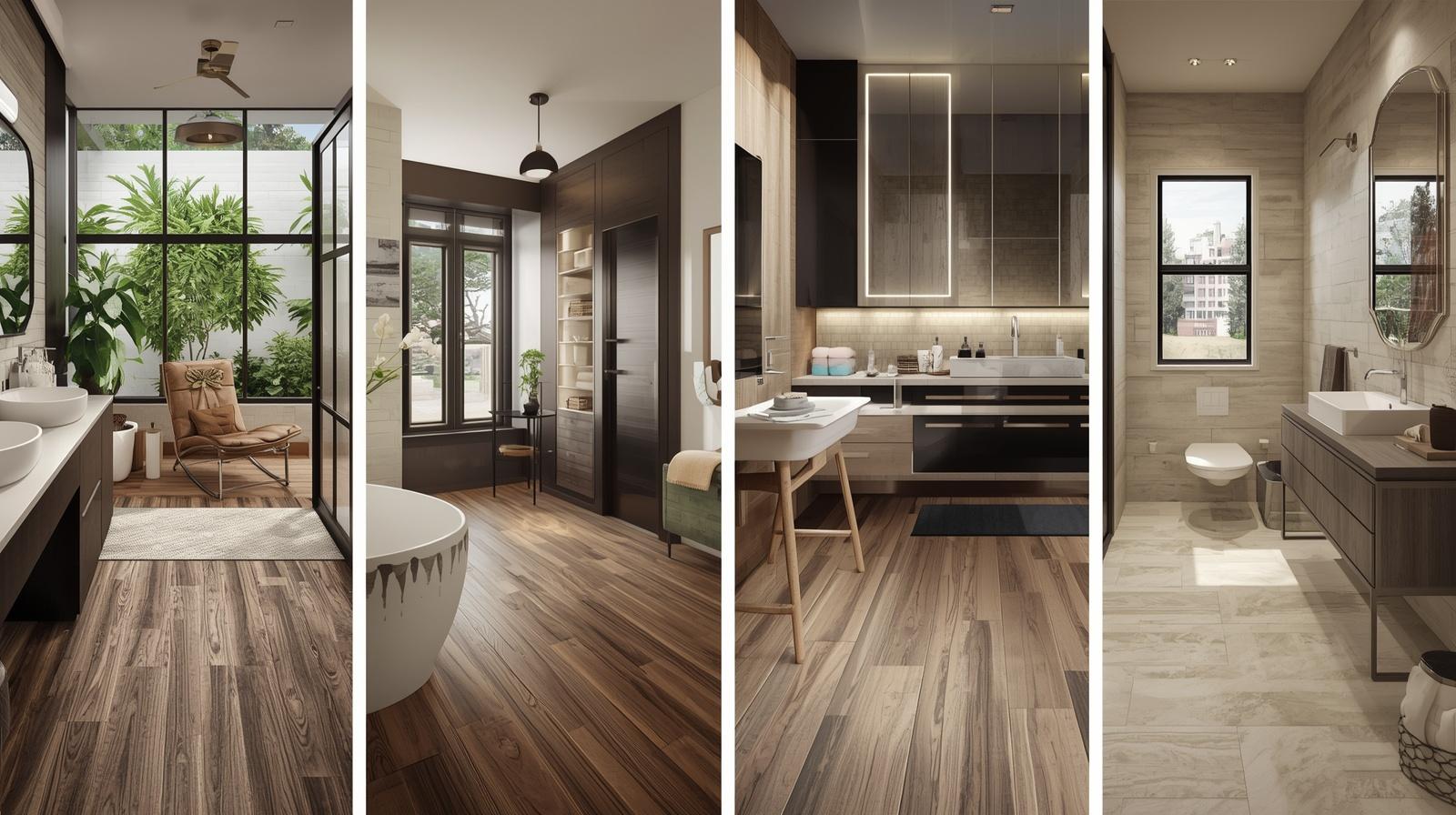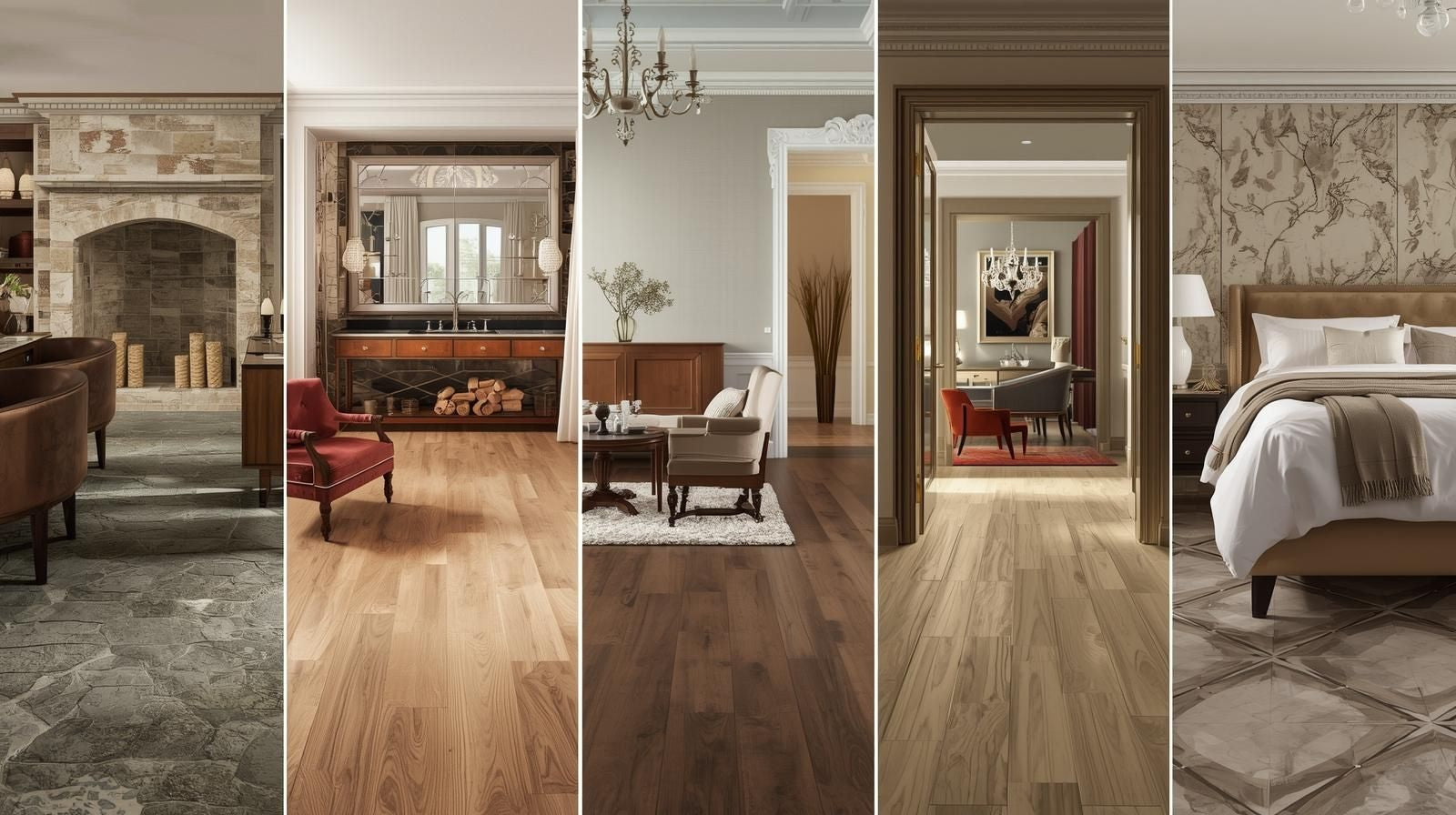


An expert retailer’s guide to help homeowners understand when engineered hardwood can be refinished, what methods are safe, and when replacement is the smarter choice.
Engineered hardwood ages much like solid hardwood, but the way it can be restored is very different. Many homeowners assume it can be sanded and refinished again and again. In reality, the entire decision comes down to one detail most people never look at: the thickness of the wear layer (that thin oak veneer on top).
As a flooring retailer who talks to homeowners about this every day, the same questions always come up:
- Can my engineered floors actually be refinished safely?
- How many times can engineered wood be sanded?
- Should I replace, refinish, or simply recoat?
- Will refinishing shorten the floor’s lifespan?
This guide breaks down the process step by step so you can confidently decide whether refinishing is truly an option or if upgrading to a new engineered hardwood floor will save you money and trouble in the long run.
Can Engineered Hardwood Floors Be Refinished?
Yes, but only some engineered floors can be safely refinished.

Engineered hardwood is built with layers:
- Top layer: Real hardwood veneer (usually 0.6 mm – 6 mm thick)
- Core: Plywood or HDF
- Bottom: Backing layer
Because the real-wood layer is thin, refinishing is only safe if the veneer is thick enough.
Refinishing Is Usually Safe When:
- Wear layer is 3 mm or thicker
- Floors have never been sanded before
- Damage is limited to surface scratches or dullness
- Boards are still stable, flat, and not moisture-damaged
Refinishing Is Not Recommended When:
- Veneer is under 2 mm
- The floors have already been sanded
- Water damage, warping, delamination, or core exposure exists
- Deep dents or structural issues are visible
If you’re unsure about your veneer’s thickness, a professional can measure it, or homeowners can check their flooring model online.
The Safe Refinishing Process for Engineered Hardwood (7-Step Expert Method)
Below is the modern, industry-approved refinishing technique used by professionals today.
1. Pre-Assessment: Determine If Your Floor Is Refinishable
Before touching any sanding equipment, a proper evaluation is essential:
Inspect Veneer Thickness:
- Under 2 mm → sanding is unsafe
- 2–3 mm → only light screening/buffing
- 3–6 mm → light refinishing is generally safe
But, if you see any of the following, refinishing becomes risky:
- Warping or cupping
- Soft spots or hollow sounds
- Delamination (layers separating)
- Deep water stains
- Cracks through the veneer
Prep the Room: Remove rugs & furniture → clean the surface → block vents to control dust.
Learn: How to properly clean an engineered hardwood floor?
Tools typically used in this step:
- Orbital or buffer sander (never drum on engineered floors)
- 100–120 grit sandpaper
- Vacuum & tack cloths
- PH-neutral wood floor cleaner
- Wood filler (only for small surface cracks)
- Water-based or oil-based polyurethane finish

2. Light Sanding/Screening — The Safe Approach for Engineered Wood
There are two common methods:
A) Screening (Buff & Recoat) — Lowest risk
This method is best for:
- Light scratches
- Dull surface
- Minor wear
A buffer with a fine screening pad removes the old finish without cutting into the wood.
B) Light Orbital Sanding — Moderate risk
Used only when:
- Veneer is thick (3 mm+)
- Scratches are deeper and require gentle smoothing
- Color change is intended
Drum sanders should never be used on engineered hardwood, as they can cut through engineered veneer within seconds.

3. Deep Cleaning & Dust Removal
After abrasion, dust must be completely removed. Even tiny particles can cause:
- Adhesion failure
- Cloudiness
- Bumps in the finish
Professionals vacuum multiple times and use tack cloths for a spotless surface. So avoid:
- Wet mops
- Steam cleaners
- Abrasive pads
Engineered wood is moisture-sensitive, and excess water can lift the veneer.
4. Staining (Optional — Only When Safe)

Changing or refreshing the color is possible only if the veneer is thick enough to be sanded evenly.
Staining Works Best When:
- Veneer is 3–4 mm or more
- The old finish is fully removed
- Wood species accepts stain uniformly
Dark colors stain more evenly than very light colors.
Always test a small section because engineered veneers sometimes absorb stain unevenly, depending on the manufacturer and species.
5. Applying a Protective Finish (Water-Based, Oil-Based, or Hard-Wax Oil)

After sanding or screening, the floor needs a new protective topcoat.
Most common modern finishes include:
- Water-Based Polyurethane: Fast drying, Low odor, Natural, lighter appearance)
- Oil-Based Polyurethane: Richer amber tone, Higher durability, Longer drying time)
- Hard-Wax Oil: Natural matte look, Easy to maintain, Requires more frequent recoating
Professionals apply 2–3 thin coats, lightly buffing between coats for proper adhesion.
6. Drying & Curing Time
Even if the floor feels dry, the finish continues to harden for days (or weeks). So take care if:
| Activity | Water-Based | Oil-Based |
| Walkable | 24 hours | 24–48 hours |
| Rugs/furniture | 3–7 days | 10–21 days |
| Full cure | 7 days | Up to 30 days |
During curing, avoid placing rugs, exposing the floor to moisture, dragging heavy furniture, or high‑traffic activity on the floor.
7. Final Inspection & Touch-Ups
After the floor is dry:
- Inspect the sheen uniformity
- Check edges, corners, and transitions
- Fix small imperfections
- Apply a light buff if required
This final detailing ensures longevity and a smooth, even finish.
Maintenance of Engineered Hardwood After Refinishing
To extend the life of your newly refinished engineered hardwood:
- Weekly vacuum using a hardwood-safe setting
- Every 1–2 weeks, damp mop with a pH-neutral cleaner
- Avoid wet mops or harsh detergents
- Avoid high heels, pet nail scratches, excessive humidity swings, and direct water spills
- Every 3–5 Years, consider screen & recoat to refresh the finish (if the veneer allows).
These habits dramatically increase the lifespan of engineered hardwood.
What If Your Engineered Hardwood Can’t Be Refinished?
Many modern engineered floors use ultra-thin veneers (0.6–1.2 mm), which cannot be sanded.
In such cases, you have safer options:
- Screen & Recoat (No Sanding) restores shine and mild scratches without cutting the wood.
- Topical Polish / Restoration Kits are useful for very light dullness.
- Replace Individual Damaged Planks, as click-lock engineered floors make plank replacement easier.
- Upgrade to New Engineered Hardwood. Sometimes, replacing with a modern, thicker-wear-layer product is more cost-effective than refinishing an aging floor.
When Replacement Is the Best Long-Term Option
Refinishing isn’t always worth the risk. Replacement becomes smarter if:
- Veneer is too thin
- Ends and edges are worn through
- There’s water damage or warping
- You want a completely different color, species, or plank size
- The floor was sanded once before
- Structural issues exist beneath the floor
Upgrading gives you new warranties, a fresh style, a thicker wear layer, and better long-term durability.
Thinking About Upgrading Instead of Refinishing?
If your engineered hardwood isn’t suitable for refinishing, Royal Floors Online offers:
- Premium engineered hardwood selections
- Modern colors & wider planks
- Thick wear-layer options (for future refinishing)
- Free guidance to help you choose the right product
You get factory-finished durability, updated style options, and long-term value.
FAQs
What is the cost of refinishing engineered hardwood floors?
Light sanding and refinishing costs around $3–$6 per square ft. While lighter “screen and recoat” jobs may run about $1.50–$3 per square ft.
How long does the refinishing process take?
It will take 3–5 days for sanding, finishing, and sealing, though large rooms or extra steps (like staining) may extend that time.
How many times can engineered hardwood be refinished?
It depends on the wear layer: a 6mm wear layer can be up to 2–3 times; a 3–4mm wear layer usually 1 time; and 2mm or less refinishing is generally not recommended.
How long does refinishing engineered wood last?
A properly refinished engineered floor can last 7–10 years, depending on traffic and maintenance.
Final Thoughts
Refinishing engineered hardwood floors is possible, but only when the veneer thickness and existing floor conditions allow it. Many assume that refinishing is always safe; however, engineered wood requires precision, thin sanding, and proper assessment.
Your floors may have no more than one safe refinishing left, or even none. If that is uncertain, you could consider a modern engineered hardwood with a more substantial wear layer to grant you long-term value.
Call us today at (833) 378-4559 for professional assistance in selecting engineered hardwood to suit your home, lifestyle, and long-term maintenance expectations.
Disclaimer: Royal Floors Online does not offer refinishing or installation services; we assist homeowners in selecting the appropriate flooring to suit their long-term needs.

David Santiago

Best Flooring for Dogs That Pee: The Surfaces That Actually Survive Real-Life Accidents
Best Flooring for Stairs: Top Materials Ranked for Durability, Safety & Style
Related Posts