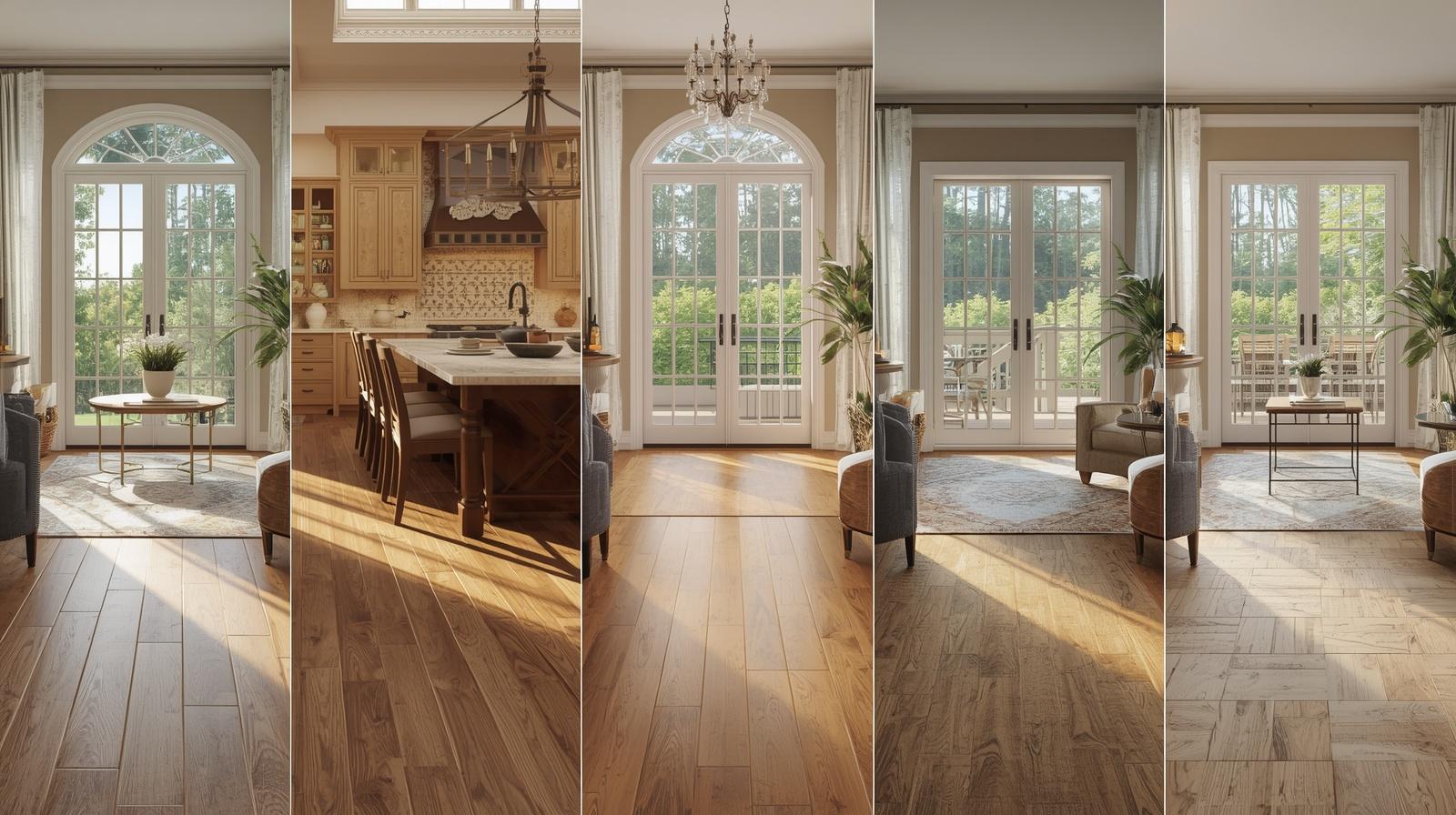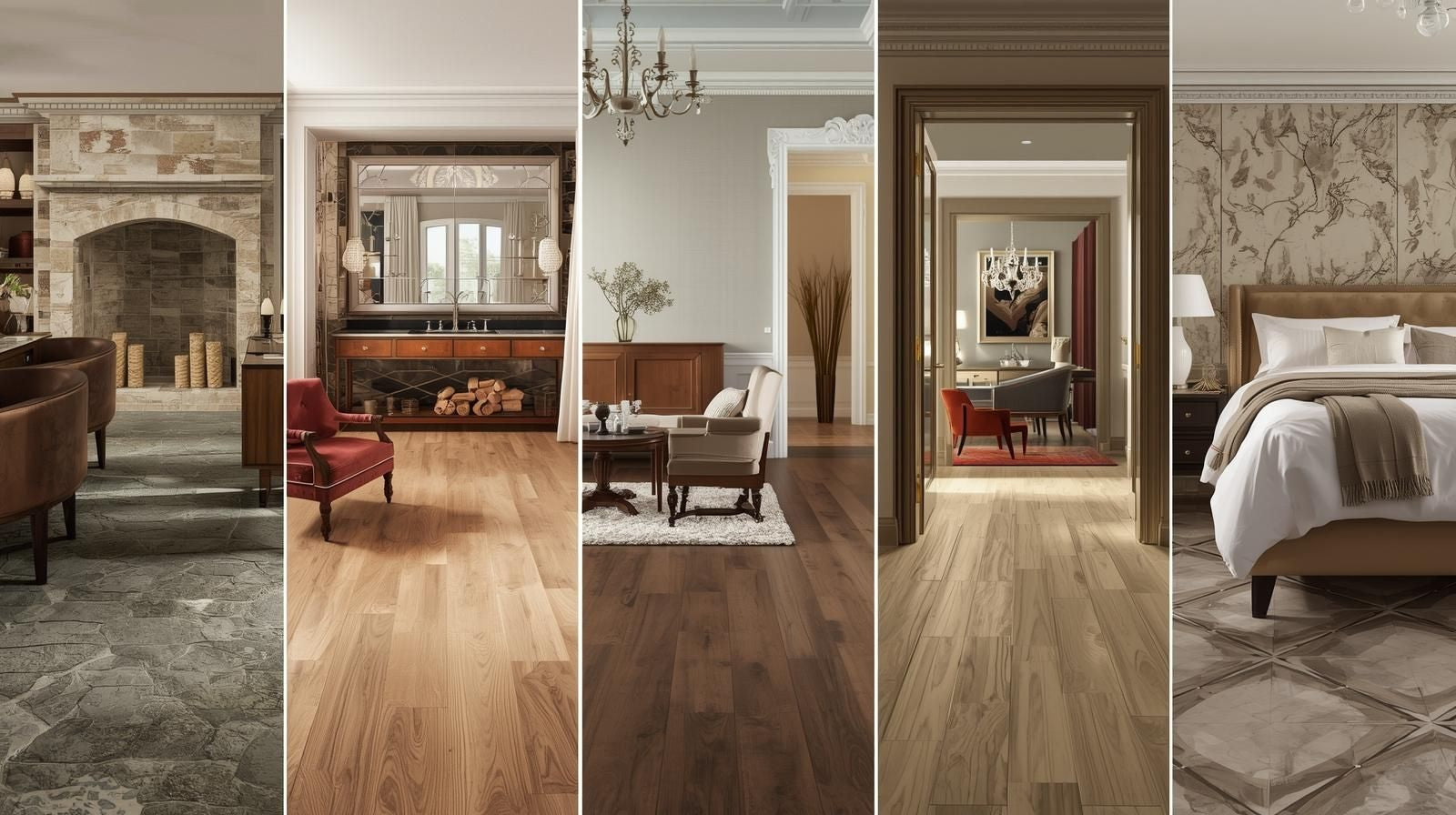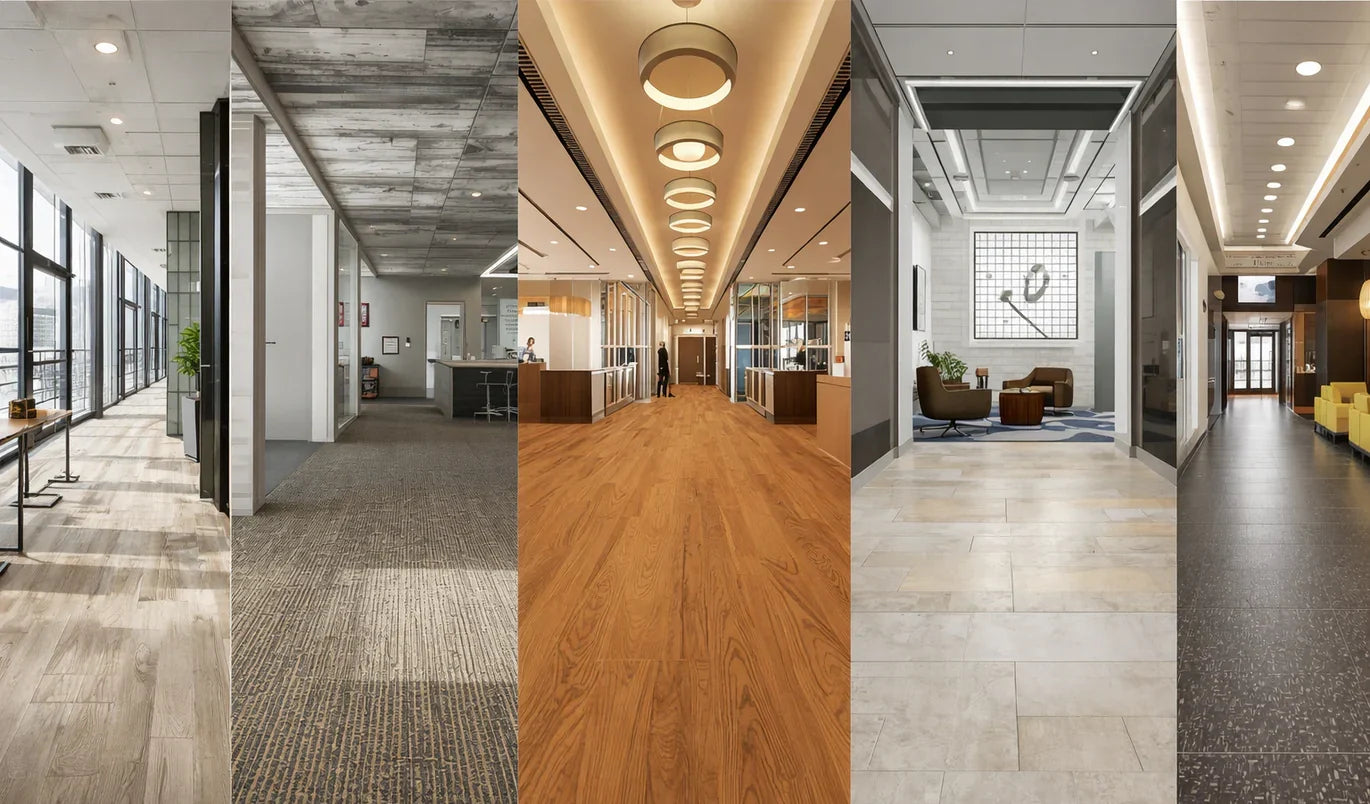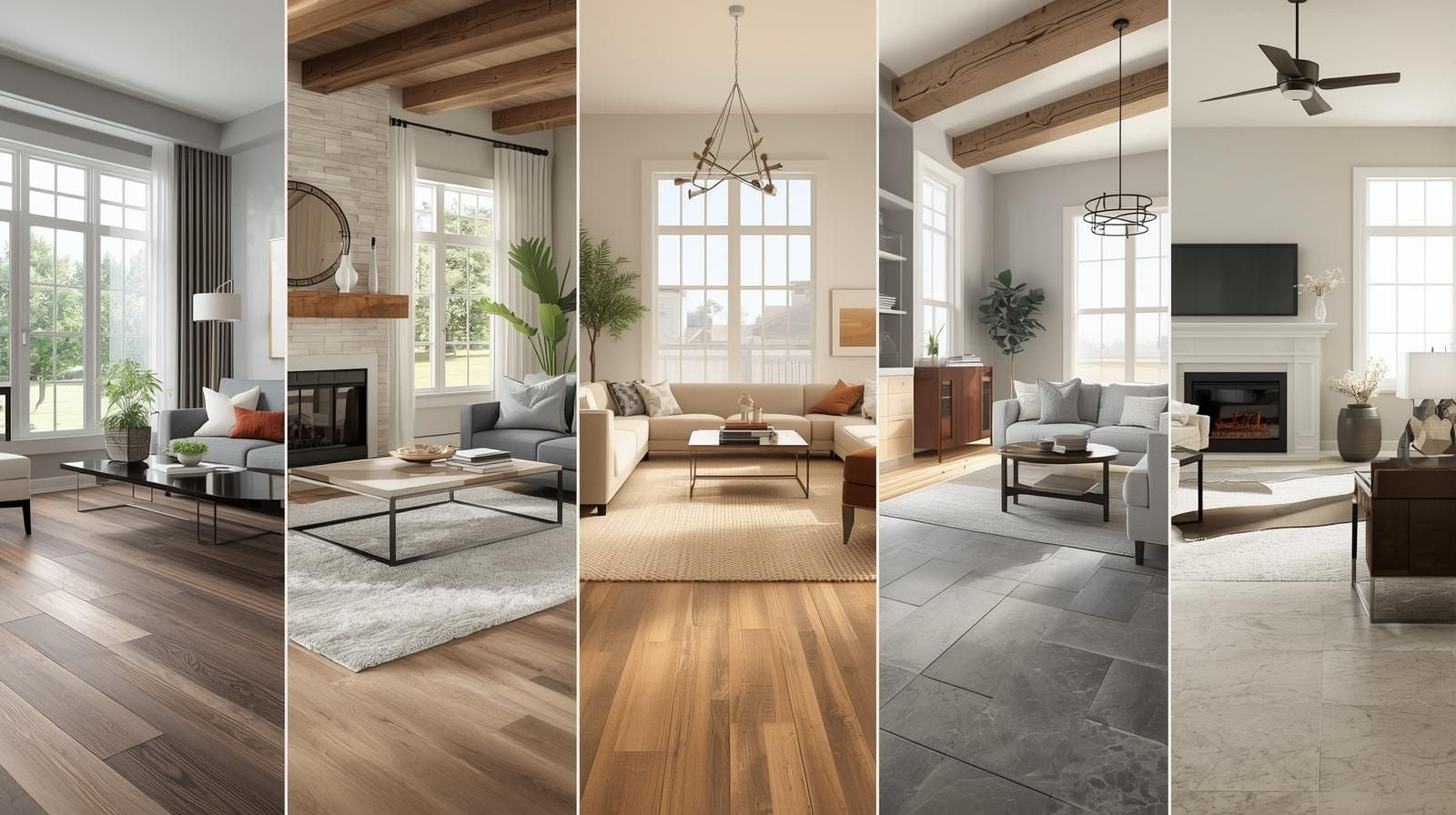


Most people don’t realize how different basement flooring is until they are standing in a cold, concrete space, wondering what actually works down there. You can’t just lay the same floors you used upstairs and hope they perform the best down there, too. Basements have their own issues, such as moisture, humidity, and the never-ending fear of leaks, which all factor into what will last and what will warp.
It can only take a few years to swell, mould, or require a complete re-do with the wrong material. This is why durability and moisture resistance matter more than appearance when you are making the perfect basement flooring.
In fact, many homeowners start by reviewing the best waterproof flooring options before narrowing down what actually performs well below ground.
This guide is all about sharing the best basement flooring options for basements that not only resist moisture but also feel good underfoot, install cleanly over concrete, and stand the test of time. Let’s get started!
1. Luxury Vinyl Plank (LVP)

Luxury Vinyl Plank and Luxury Vinyl Tile are very good synthetic floors that can easily mimic the appearance of a hardwood or stone. These floors possess a hardened surface on top and waterproofing in the middle, thus avoiding scratches, dents, and water damage, hence making them an intelligent choice in the basement.
The surface often has texture, making this flooring option slip-resistant. The vinyl flooring is available in different types, and most of these come with click-lock edges that fit to the subfloor without any need for glue or nails. Just lay the planks right over the concrete, and do a little adjusting, and here is the finished floor ready for use.
A lot of homeowners go for this flooring option because it looks great and doesn’t take much effort to keep up, especially in finished basements. Many types are compatible with radiant heated floors when installed properly.
Moreover, sometimes the seams appear when the planks or tiles are not properly laid, and cheaper materials can emit certain VOCs (the indoor air pollutants). It is therefore smart to seek certified flooring that is low-VOC in case indoor air quality is an issue in your house.
Plus, if the subfloor isn’t perfectly smooth, you might notice little imperfections showing through the surface over time. It’s worth having a pro check the surface or using a self-leveling compound before installation.
2. Waterproof Laminate Floor

Waterproof laminate flooring is designed using a special core that prevents water from seeping in for a long time. The edges are sealed tightly, which makes it an option that works well in basements. Under the protective top layer, there is a design layer that gives waterproof laminate its real wood look.
Some of these laminate boards have a click-lock design, which eliminates the need for an additional vapor barrier; thus, installation is in a way, faster. These floors offer the appearance of real hardwood flooring, and they cost less than traditional hardwood, engineered wood, or luxury vinyl.
The waterproof laminate floors are not as resistant to full submersion as our waterproof flooring, but can handle full water submersion better than traditional laminate products. And sometimes they sound a little hollow when walked on, which can impact a room’s acoustics.
Quick Tip: You can help your laminate floors last longer by cleaning up spills as soon as they happen and maintaining a level of basement moisture.
3. Ceramic & Porcelain Tile

Ceramic and porcelain tiles are kiln-fired, which makes them dense, tough, and a smart choice for basements where moisture can be an issue.
Porcelain is a thicker and less absorbent material than basic ceramic. This helps it handle water and frequent foot traffic without much trouble. You can pick tiles in many sizes, colors, and textures to create modern spaces or warm, rustic rooms.
Such flooring is also effective in the case of laundry rooms, baths, or any area in which water is likely to accumulate, since the lack of crevices means that it cannot form mould and is easy to clean. Nevertheless, installing tile floors must ensure that the sub-floor is smooth and select a strong and waterproof grout capable of withstanding the situation in the basement.
Their installation cost can increase when they are installed by a professional, particularly when the floor requires additional preparation. And sincerely speaking, tile would be mighty cold to the feet without some heating system underneath, in winter, anyway.
4. Concrete (Polished or Stained)

A cement floor that is polished or stained is a robust and fashionable covering to have in a basement. The slab is polished using special grinders, and a sealer is applied, hence it turns out to be smooth and resistant to spills and dust.
The concrete stain penetrates into the surface, forming natural color variations, and has a blended natural appearance.
These floors are seamless to harbor dirt and require minimal maintenance, thus they are among the best basement dirt flooring. They are resistant to dampness and mould do away with them naturally, which allows them to be used in workplaces and in contemporary design.
The concrete floors are available in a matted appearance, gentle satin, and glossy bright appearance. You may also put area rugs or radiant heating to make the floor warm and comfortable.
But, this flooring option is tend to stay cold in the winter, which might not feel great without rugs or radiant heat. Plus, if the concrete already has small hairline cracks, finishing won’t always hide them completely; they’ll likely still show through.
5. Carpet Tiles

Modular carpet squares bring comfort and flexibility to basement floors that stay mostly dry. The carpet tiles have a firm, water-resistant backing and thick fibers that keep spaces warmer and quieter.
This flooring option is available in different patterns and shades to choose from.
Mixing different carpet tiles lets you create a custom look, and if one gets damaged, you can just swap out that single tile instead of redoing the whole floor. Many homeowners pick carpet tiles for play areas, casual rooms, and home offices where a soft surface matters.
Also, putting the carpet tiles down doesn’t take much effort; use sticky backing or glue that you can pull up later without fuss.
But with carpet tiles, there are two things to remember. The external corners between the tiles may occasionally be visible, which may not match your wall-to-wall carpet appearance. And when it lingers too long beneath, there is a risk of mildew developing beneath the tiles, and hence it helps to keep things dry.
6. Rubber Flooring

Rubber flooring works well in basements used for workouts, repairs, or extra storage. This strong surface handles lots of wear and doesn’t need much care. People often pick interlocking tiles, large rolls, or simple mats, which come from recycled rubber or man-made materials.
Its springy feel helps ease the stress on joints and cushions heavy gear. The surface stays safe underfoot because it grips well and resists water. It also cuts down on noise.
Rubber flooring might look simpler than other options, but you can still pick from different colors and textures to get the look you want. Many homeowners install it themselves since interlocking tiles snap together easily. Also, Preparation doesn’t take much time, just a clean, level base, and put the flooring down.
But keep a few things in mind, like some types made with recycled materials can give off a rubbery smell at first because of VOCs. And if you are working with larger rolls, they can be a bit awkward and heavy to handle during installation, especially in tight basement spaces.
7. Epoxy Flooring

Epoxy flooring forms a tough, smooth coating that works well in basement utility rooms, home workshops, and spaces with a modern industrial feel. The resin goes on as a liquid over prepared concrete and hardens into a strong, sealed surface. This finish keeps out water and prevents stains, chemicals, and scratches.
Many homeowners pick solid shades, shiny metallic looks, or colored flakes that bring extra texture and character into the basements.
People often like how epoxy makes basements feel brighter since it reflects light and helps keep dust and dirt from building up. Some homeowners prefer hiring professionals for a perfect epoxy surface installation. Still, confident DIYers can try ready-made epoxy kits.
However, if the finish is too smooth and doesn’t have slip-resistant additives, it can get pretty slippery when wet.
Remember: To make epoxy flooring last, the concrete needs to be cleaned, etched, and patched before applying any coating.
8. Engineered Hardwood Flooring (With Caution)

Engineered hardwood flooring is real hardwoods on top of hard plywood or fiberboard below. This type of layered construction helps to be more stable and less prone to bending or increase in terms of size than solid wood, particularly when the levels of moisture vary, which is typical of basements. In case you are planning on doing this, it is good to know the most engineered hardwood flooring brands before making a decision.
This flooring is similar to that of real wood except that it is stronger than conventional hardwood and will not twist or warp as easily. It can be installed in a floating floor or glued down over a moisture barrier, which is the best fit depending on your space.
Engineered hardwood floors can also occasionally begin to peel off along the edges or where they are not laid as intended. It is normally expensive to install as opposed to other alternatives, such as vinyl or laminate. It is also not as easy as solid hardwood to sand before reaching the core layers, which means that refinishing choices are somewhat limited.
How Much Does it Cost to Install a Basement Floor in 2026?
| Flooring Type | Approx. Cost per sq. ft. (Materials + Install) | Durability |
Functionality in the Basement |
| Luxury Vinyl Plank | $3 – $7 | High | Waterproof, comfortable, and easy to maintain |
| Engineered Hardwood | $5 – $12 | Moderate to High | Moisture-resistant but not waterproof |
| Waterproof Laminate | $2 – $5 | Moderate | Budget-friendly, good for low-moisture basements |
| Ceramic/Porcelain Tile | $6 – $15 | Very High | Fully waterproof, ideal for damp areas |
| Polished/Stained Concrete | $3 – $10 | Very High | Seamless, durable, low maintenance |
| Carpet Tiles | $3 – $6 | Moderate | Warm, soft, replaceable sections |
| Rubber Flooring | $4 – $8 | High | Excellent for gyms and utility spaces |
| Epoxy Coating | $4 – $12 | Very High | Waterproof, chemical-resistant, and brightens the space |
What Flooring Options Don't Work in Basements
- Solid Hardwood Flooring is prone to warping, swelling, and cracking due to moisture and humidity changes.
- Standard (Non-Waterproof) Laminate Flooring has a fiberboard core that absorbs moisture easily, leading to buckling and damage.
- Wall-to-Wall Carpet that easily traps moisture, encouraging mold, mildew, and musty odors in damp basement environments.
- Cork Flooring (Non-Sealed), as untreated cork can absorb moisture and develop mold issues.
- Bamboo Flooring, even strand-woven types, can swell or warp in below-grade spaces with fluctuating moisture levels.
FAQs
What is the expensive flooring for basements?
Engineered hardwood flooring is often at the top end when it comes to price. With the actual wood layer, professional installation, and moisture-proofing, it’s costlier than vinyl or tile, too.
What is the cheapest flooring for basements?
For value and ease of installation, it’s difficult to beat polished or stained concrete, which costs less than solid stone, and if the slab is already in place, the price will be less still. It can also help keep costs down with rubber flooring rolls or simple vinyl sheet flooring.
What flooring lasts the longest in a basement?
The ceramic and porcelain tile often outlasts all else. When installed properly, these floors can last for decades with hardly any effort in maintenance.
The Bottom Line
Now you can invest in quality and won’t be pulling up ruined planks late. Moisture resistance, warmth, durability, and easy maintenance aren’t optional in below-grade spaces; they’re non-negotiable.
Don’t skip on the details. Do it well from the start, and that space under your living area could turn into your favorite place at home. Browsing finished basement ideas can help you picture the possibilities and make confident choices.
Need more help? You can call (833) 378-4559 to talk to Royal Floors Online's flooring experts for further assistance with your basement floor.

David Santiago

Stylish & Smart Bathroom Floor Tile Ideas for Every Home
How to Clean Engineered Hardwood Flooring Properly?
Related Posts