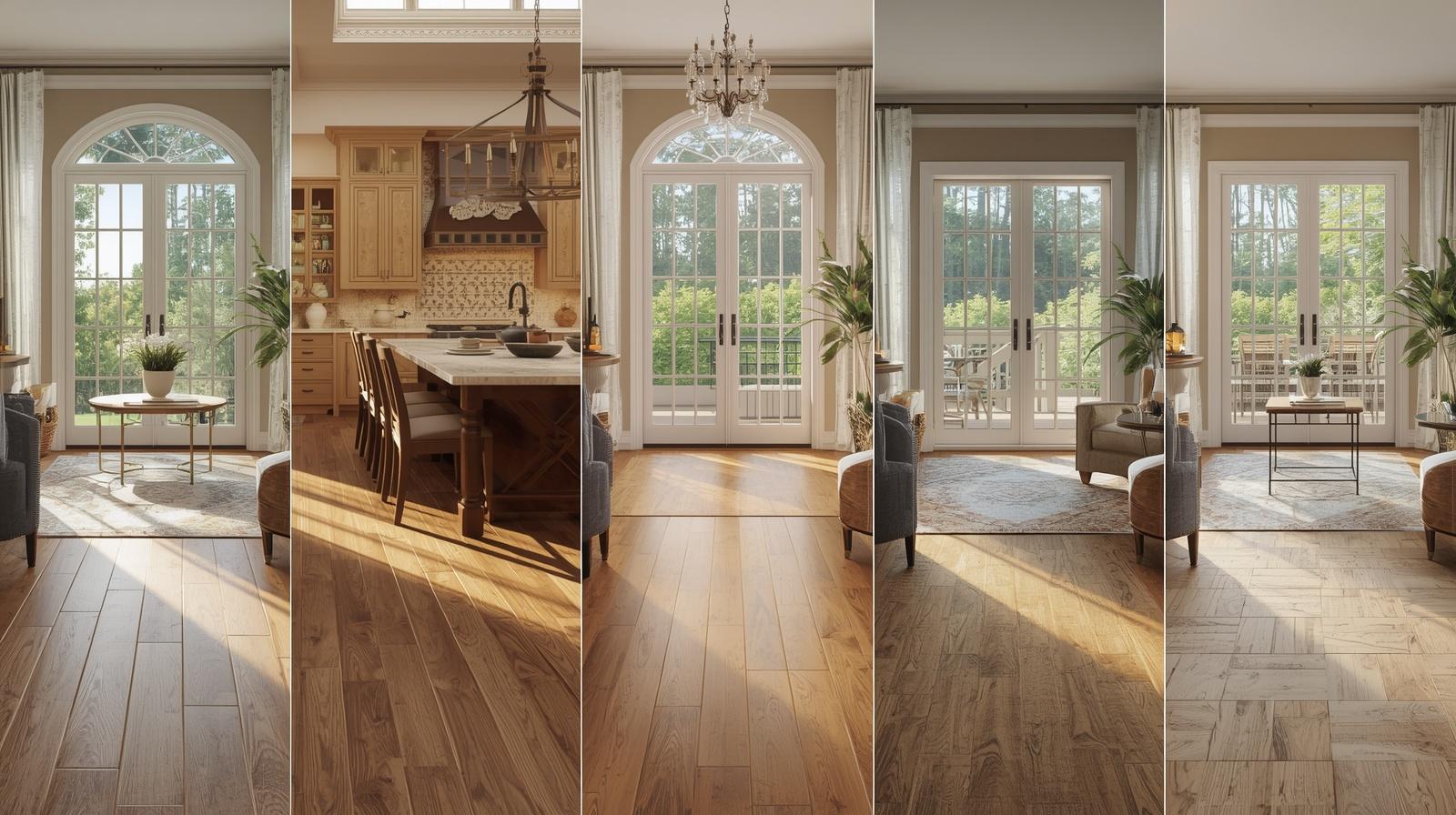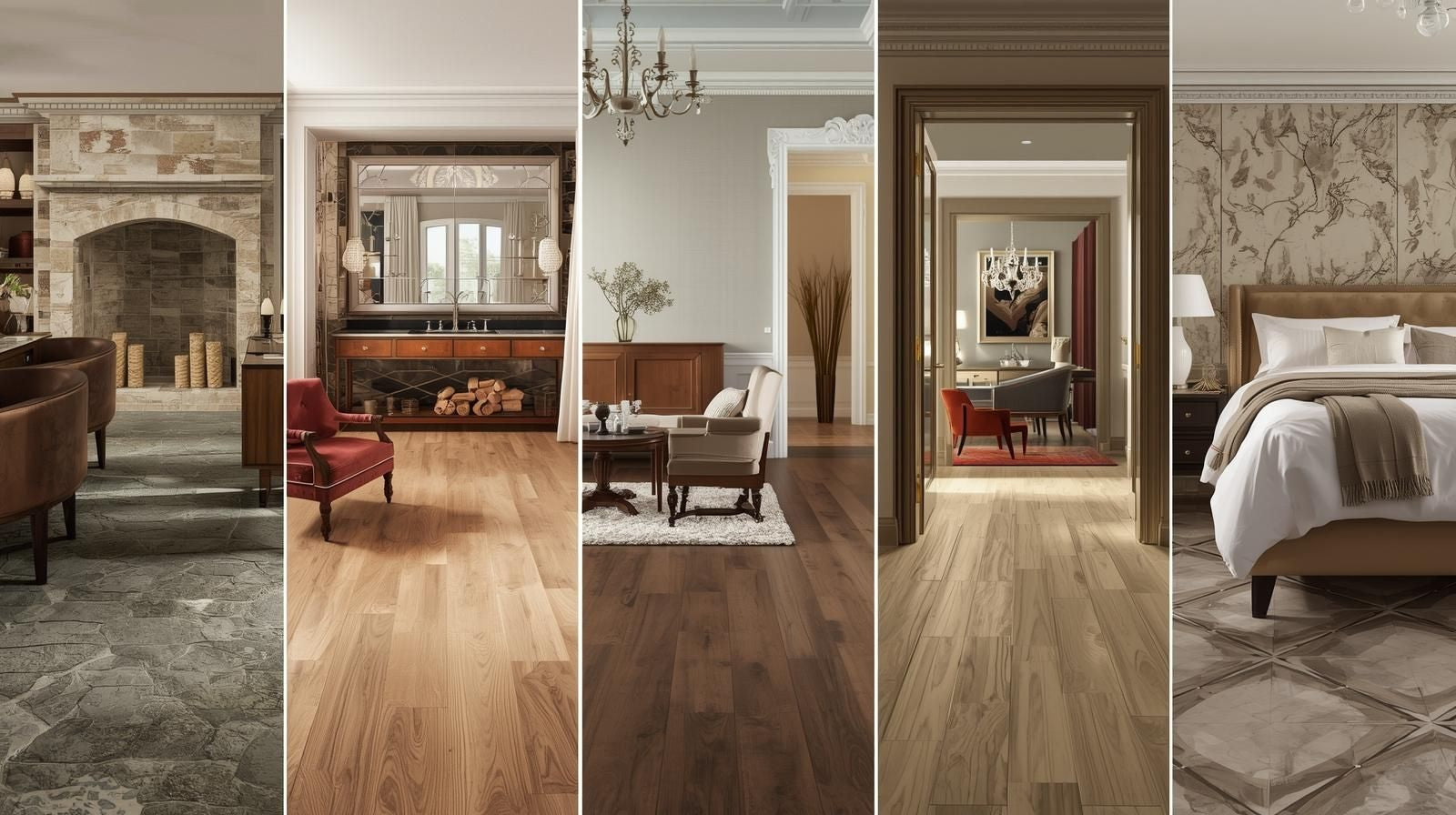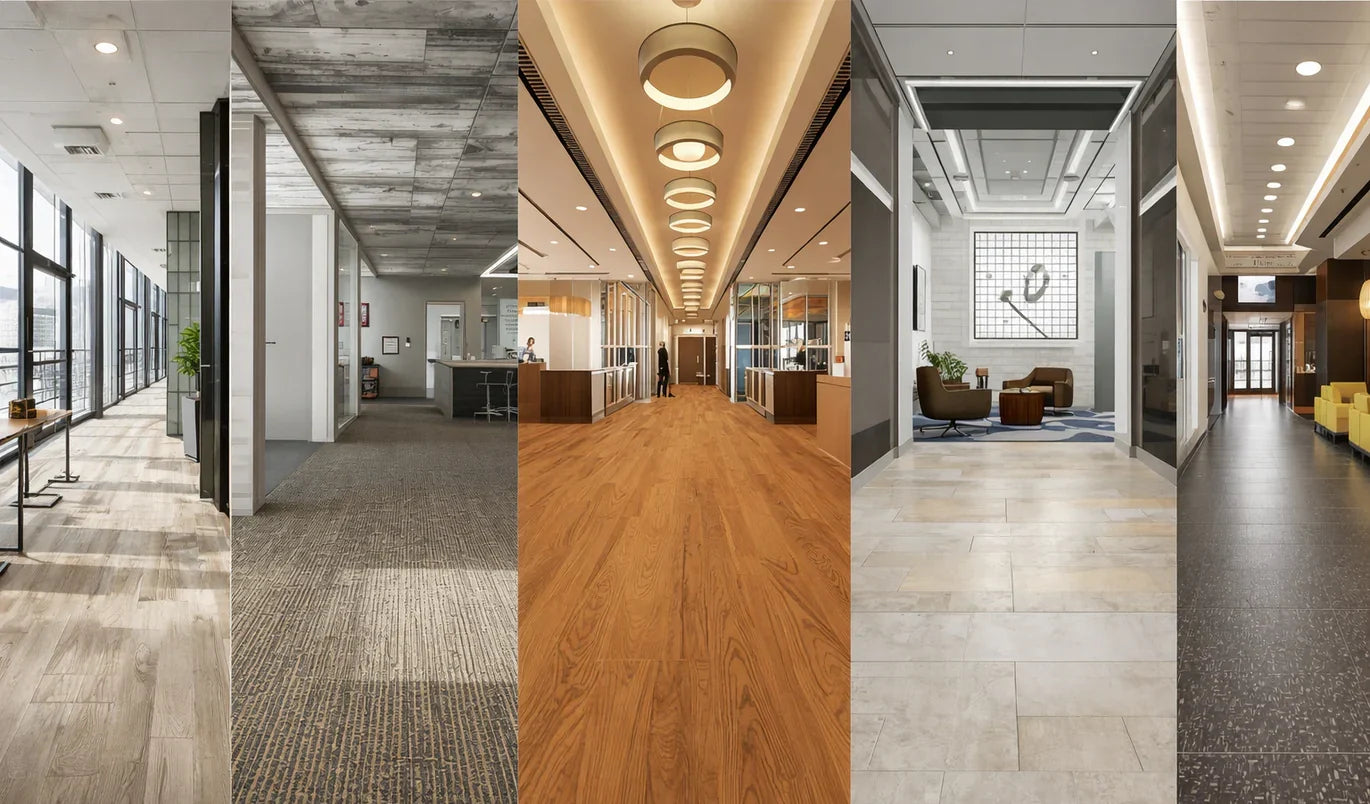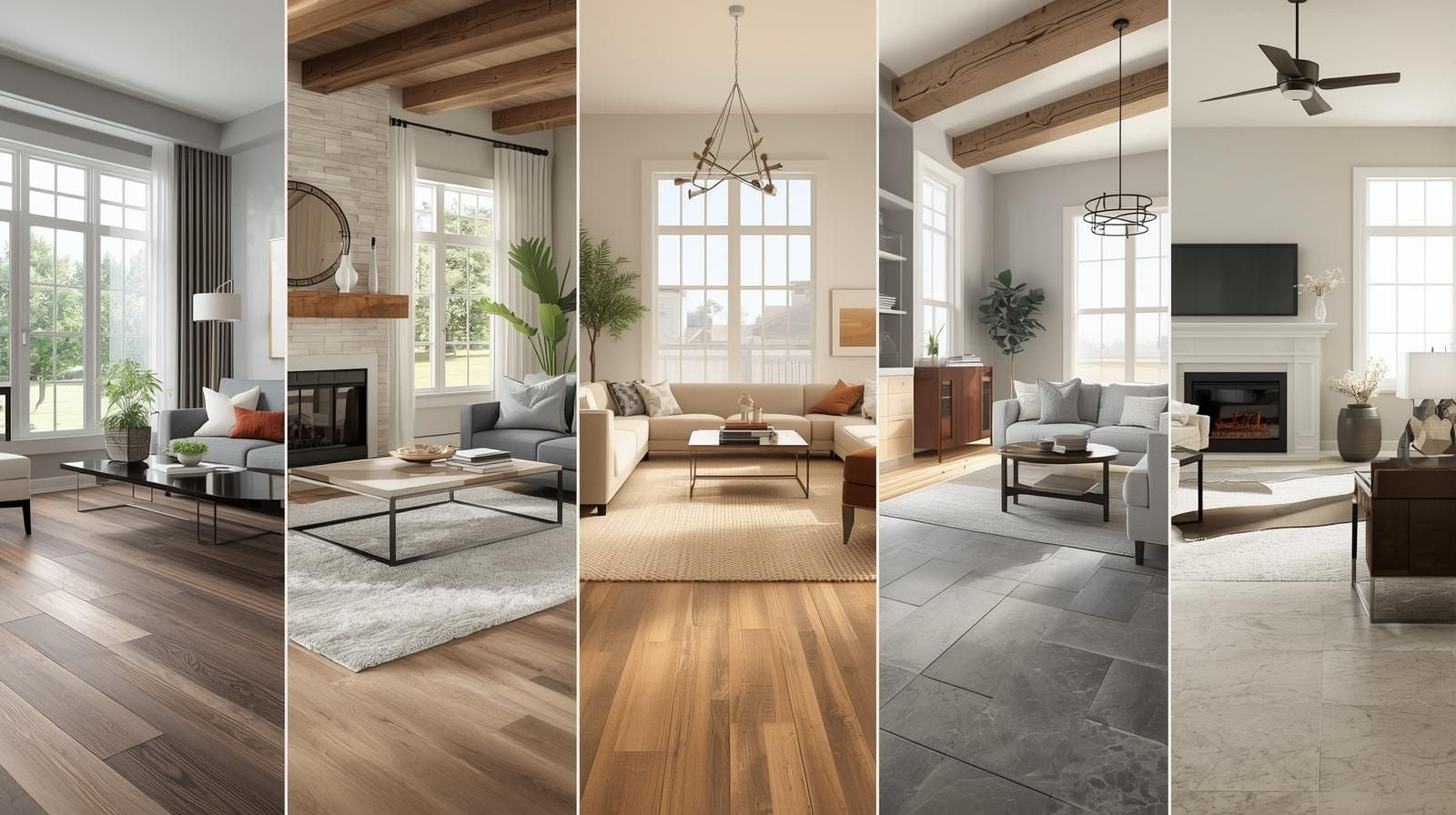


Moisture results in spills, leaks, or humidity cause damage to floors if your flooring is not durable and lasting. Waterproof flooring solves that problem.
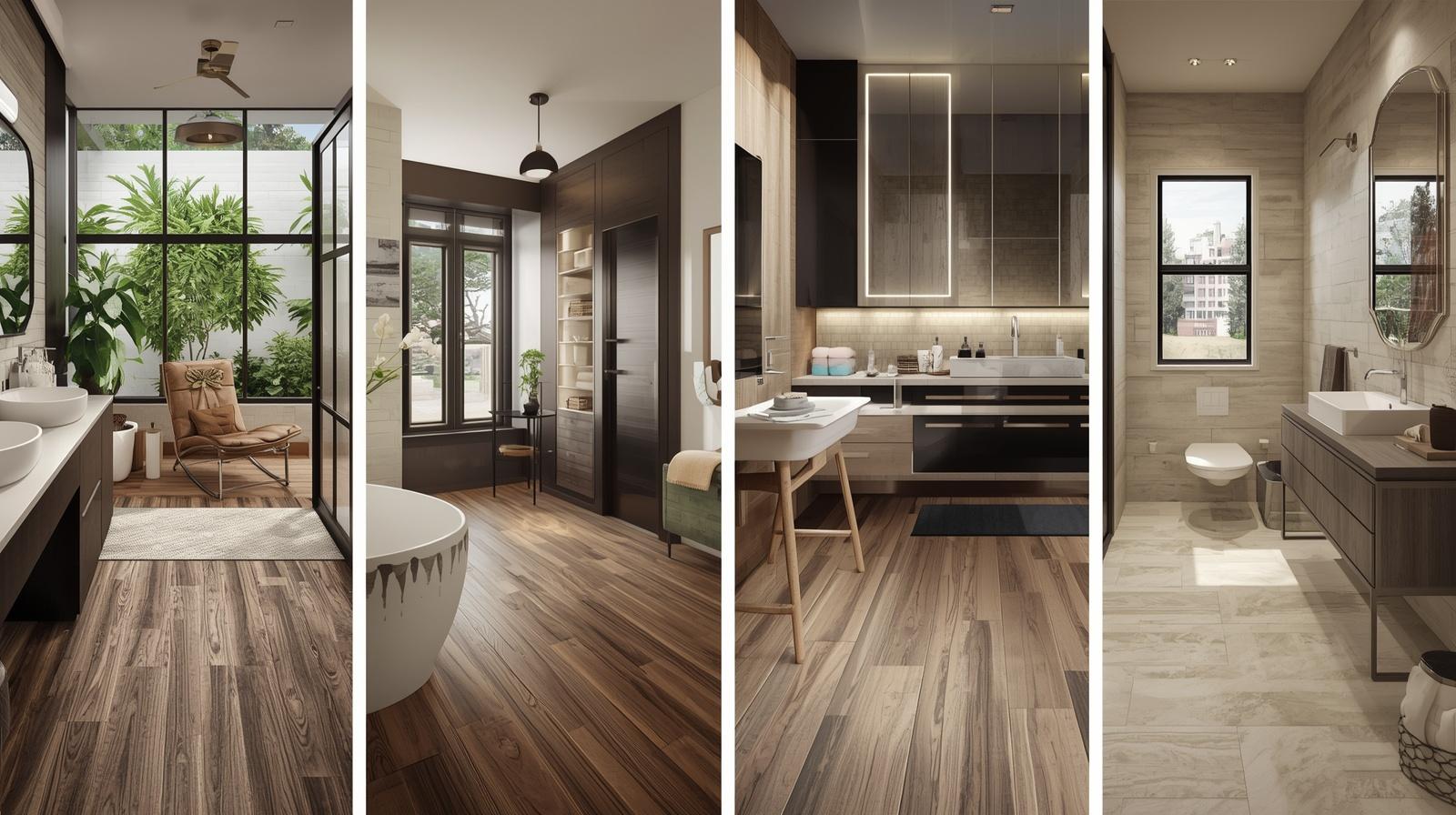
Bathrooms, kitchens, laundry, and basements constitute the most susceptible areas to water damage. The right flooring is the most important in such places; it frequently results in the warping and swelling of floors, the development of mold and mildew, and permanent stains.
New waterproof flooring prevents tapping with moisture before it is absorbed by the surface. Due to modern production, homeowners currently possess reliable options, such as:
- Luxury vinyl plank
- Ceramic and porcelain tile
- Waterproof laminate
In this article, we’ll break down the best waterproof flooring choices out there today. Have a look!
1. Waterproof Luxury Vinyl

Ideal for: Kitchens, bathrooms, basements, laundry rooms
Luxury vinyl flooring is one of the most trusted waterproof floor types. It’s made with a 100% waterproof core with multi-layer construction that doesn’t let water in; this center is often WPC or SPC. That keeps it strong against water in damp rooms; it also looks like real wood or stone. But you don’t have to deal with the work that comes with real wood.

It holds up well against scratches, that’s a win if you have kids or pets with its thicker wear layer. It’s a click-lock installation system, and it is easy to install; people love that they can do it themselves. It’s a common pick among pros for its reliable, realistic texture and availability in various styles.
2. Tile Flooring (Porcelain & Ceramic)

Ideal for: Bathrooms, kitchens, entryways, laundry rooms
Tile flooring is a great choice in rooms with frequent water and has long been utilized in this manner. The types of porcelain and ceramics do not absorb water; this is because they are solid and non-porous, and the ability to absorb water is extremely low. They handle stains and heat effortlessly. And they are strong and last for decades with minimal maintenance.
- Porcelain Tile: Porcelain is also dense and compact, giving it an added benefit of being more water-resistant than ceramic and therefore, can be used in high-moisture areas such as a shower or continuous water floors.
- Ceramic Tile: A little more porous than porcelain, yet very strong and stain and heat-resistant. Ceramic is ideal in spots such as the kitchen back splashes and dry floors.

Tiles are also resistant to heat and can be easily cleaned, therefore making them a lasting decision in the kitchen or high-traffic places. It also offers design freedom; tiles are available in a great variety of colors to make the design fit any home. You may have contemporary, shiny, comfortable, and rustic.
3. Waterproof Laminate Flooring

source/royalfloorsonline
Ideal for: Kitchens, basements, laundry rooms, hallways
Modern waterproof laminate flooring changed that problem. New core designs use high-density fiberboard sealed using water-resistant resins. A tough melamine wear layer blocks moisture before it sinks in.
The surface still looks like real wood. The price stays lower. Compared to tile or vinyl, installation feels simpler and faster, which saves both effort and cost.

The waterproof laminate flooring has
- Sealed locking systems like click-lock or uniclic edges are coated to repel water and tightly sealed to prevent seepage between planks.
- Premium flooring brands often rely on HydroSeal or AquaSafe edge coatings for extra protection. These coatings slow down water contact and help the planks hold their shape during spills. In many cases, water resistance lasts one to three days, which can make a big difference during accidents.
- Abrasion Class ratings explain how tough the surface really is. Waterproof laminates often feature AC3 or above, which points to solid durability. Homes with kids, pets, or frequent movement benefit most, and small business spaces also handle this level well.
Newer alternatives are made to avoid swelling, buckling, or warping, even when there are small spills or humidity. It is suitable in the kitchen and in the completed basements, where there might be water, but complete saturation is unlikely.
Read the full guide on waterproof laminate flooring.
4. Sheet Vinyl Flooring

source/royalfloorsonline
Ideal for: Basements, bathrooms, laundry rooms
Sheet vinyl is a low-cost way to get waterproof floors. You can get it in large seamless rolls without gaps where water might sneak in. When placed right, it's almost fully sealed, and a good pick for damp basements. Also works well in bathrooms where water tends to gather. Sheet vinyl flooring offers
-
Full water resistance protects every layer of the flooring, especially when seamless layouts or heat-sealed joints are used in high-traffic commercial spaces.
- Even small scratches or dents don’t last long on this floor. The material bends slightly, and the padding underneath cushions every step, keeping it looking smooth.
-
Extra-thick sheet vinyl, usually 80 to 130 mils, improves comfort underfoot and lowers sound transmission between rooms.
- Radiant heat compatibility adds warmth, making basement floors feel inviting even when temperatures drop.
Sheet vinyl flooring feels like a smart choice for busy homes. The surface stays strong, cleans fast, and holds up well over the years. Design patterns look attractive and realistic. Many styles copy the look of tile, stone, or wood without the high price. That makes this flooring easy on the budget while still looking good.
5. Engineered Vinyl Flooring (EVP)

source/royalfloorsonline
Ideal for: Kitchens, basements, laundry rooms, entryways
EVP is durable like laminate but with more advancement. Its solid core and hard top layer make it stable. Water-resistant, so spills or damp areas remain intact. It holds up under daily wear while staying stylish. You need not be afraid of dents, spills, and scratches; it is completely waterproof. It is also more durable in shape than normal vinyl planks. Vinyl flooring is an engineered product.
- 100% waterproof, thanks to its non-porous core and tightly locking seams.
- Built for structural balance, this material keeps its shape even when moisture levels or temperatures change.
- Click-lock installation system, often labeled as DIY-friendly.
- Feels more rigid and solid underfoot than traditional LVP or flexible vinyl sheets.
- Compatible with radiant heating systems and can be floated over existing subfloors.
Performs well in humid rooms or in rooms whose temperature is constantly varying. The appearance is realistic, and the wood-like feel is real upon walking on it. EVPs are usually chosen by individuals desiring something fashionable and powerful.
6. Concrete Flooring (Sealed/Polished)

source/royalfloorsonline
Ideal for: Basements, modern kitchens, laundry areas, mudrooms
Concrete is suitable for wet areas. Sealed, concrete flooring repels water and shines your floor for many years. The reason why many people prefer it in the basement is that it does not form molds or mildew and prevents the entrance of water. There are also those who prefer polished or stained concrete, as it has a neat and simple feel that is suitable for the modern or plain-style rooms. The concrete flooring is sealed/ polished.
- Water-resistant (when sealed) – prevents mold, mildew, and efflorescence (salt buildup).
- Extremely durable – handles heavy foot traffic and equipment without denting or scratching.
- Low maintenance – sweeping and occasional mopping are usually enough.
- Thermal mass – naturally absorbs and retains heat, helping regulate room temperature.
Quick Comparison of Different Types of Waterproof Flooring
| Flooring Type | Water Resistance | Appearance |
Maintenance Level |
| Luxury Vinyl Plank | 100% Waterproof | Wood or stone-like | Low |
| Porcelain/Ceramic Tile | 100% Waterproof | Wide variety of designs | Low |
| Waterproof Laminate | Water-Resistant | Wood-look finish | Medium |
| Sheet Vinyl Flooring | Waterproof | Limited patterns/styles |
Low |
| Engineered Vinyl Plank | 100% Waterproof | Limited patterns/styles | Low |
| Sealed Concrete Flooring | Water-Resistant | Sleek, modern |
Low to Medium |
Which Areas Need Waterproof Flooring Solutions?
Some rooms in the house go through a lot of daily use, splashes, and steam, making them risky. Normal floors don’t last long under those conditions, but waterproof ones do.
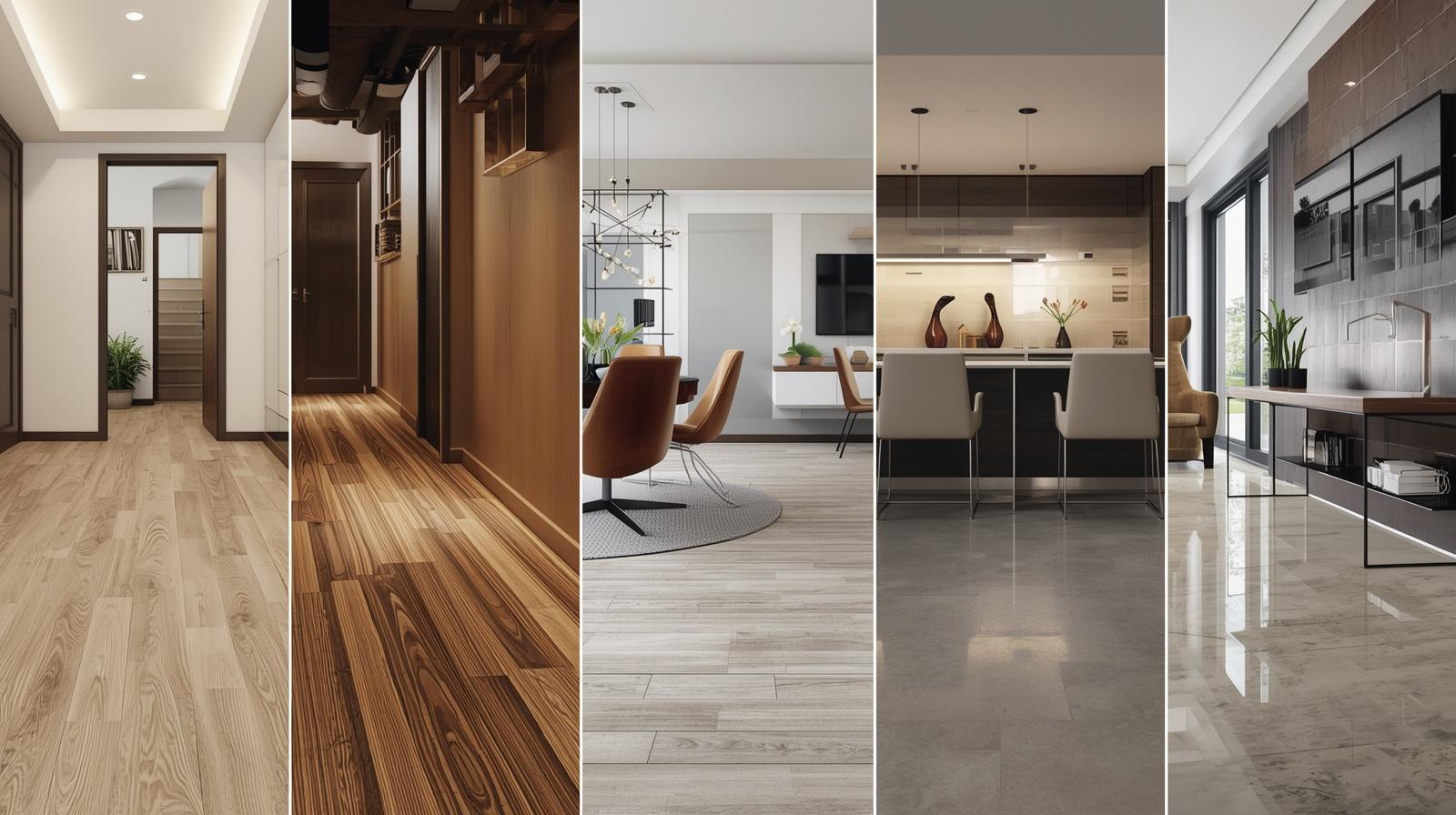
1. Waterproof Flooring Solution For Kitchens
The kitchen is a cluttered part of everyday life. Food slips, water changes into boils, and drinks spill, and it is a common occurrence. The floors in this room are never at ease; moisture may creep inside and destroy the base layer. When there are waterproof kitchen floors, it's not a long-term headache.
Key Concerns:
- Spills and splatters
- High foot traffic
- Heat and heavy appliances
2. Waterproof Flooring For Bathrooms
Daily use takes a toll on bathroom floors. Wet floors lead to soft spots beneath the surface, and rot may spread; mold and mildew often follow. Waterproof flooring keeps all that out. It blocks moisture from getting into the base layer. This stops more serious damage from forming.
Key Concerns:
- Steam from showers and baths
- Puddles from bathing and splashes
- Water leaks from the plumbing
3. Waterproof Flooring For Basements
Basements usually have damp air; walls may sweat, puddles can form, and flooding is another issue. It might happen after heavy rain or if a pipe breaks. And when the weather changes fast, the floor feels it.
Key Concerns:
- Flooding and groundwater seepage
- Humidity and condensation
- Lack of ventilation.
The Worst Options for Flooring in Wet Areas
Not all flooring handles moist air or wet spaces well. Some options may look fine at first, but start breaking down over time. Areas with humidity or frequent water exposure wear these floors out quickly.
1. Solid Hardwood
Moisture seeps into hardwood and causes cracking, warping, and cupping. Even small splashes can leave permanent marks.
2. Unsealed Cork or Bamboo
Without proper sealing, cork and bamboo absorb water quickly. This leads to swelling, shape changes, and mold growth.
3. Carpet
Areas such as basements and bathrooms collect moisture fast. Carpet absorbs it right away. Mold and mildew spread before you notice. Drying the surface after a leak feels almost impossible.
How to Choose the Best Waterproof Flooring for Your Needs
Before choosing the final floor for your home, keep these points in mind:
1. Moisture Level of the Space
Basements can flood, and bathrooms stay humid. These areas need 100% waterproof flooring. Water-resistant options won’t hold up long term.
2. Design and Aesthetic Preferences
Decide if you like wood, tile, or stone. Options like luxury vinyl plank offer realistic textures that match many interior styles.
3. Maintenance Level
Some floors need more care. Tile and vinyl are easy to clean, while others may need sealing or special cleaners.
4. Budget Considerations
Waterproof flooring ranges from affordable to premium. Plan your budget while considering installation and durability.
5. Traffic and Usage Patterns
High-traffic areas need scratch-resistant, durable flooring with strong wear layers or protective coatings.
FAQs
How Long Does Waterproof Flooring Last?
The construction of waterproof floors is made long-lasting and easy to bear up to 15 to 25 years or even longer in most cases, provided that they are well maintained and looked after. However, its real-life span is determined based on several major factors, such as material, quality of the product, and installation side.
How Much Does Waterproof Flooring Cost in 2026?
The type of material you pick drives the price. A good decision balances comfort, style, and cost, making the room both beautiful and manageable financially.
- Budget vinyl planks: around $2–$3 per sq. ft.
- Mid-range vinyl or waterproof laminate: usually $4–$7 per sq. ft.
- High-end options like waterproof hardwood or tile: $8–$15+ per sq. ft.
Conclusion
A home with waterproof floors feels easier to manage and more welcoming. These floors resist water and everyday wear, so accidents or damp spots don’t ruin them. Their look stays fresh, and the surface stays solid through the years. It’s a choice that saves stress, protects your investment, and keeps your rooms feeling clean and safe. Every step feels reliable and comfortable underfoot.
Making the right choice for your space matters. Advice from someone who knows can protect your time and money. Connect at (833) 378-4559 and make sure your decision is the right one.

David Santiago

Top 7 Wood Flooring Options Dominating Modern Homes
Top-Rated Engineered Hardwood Flooring Brands 2026
Related Posts