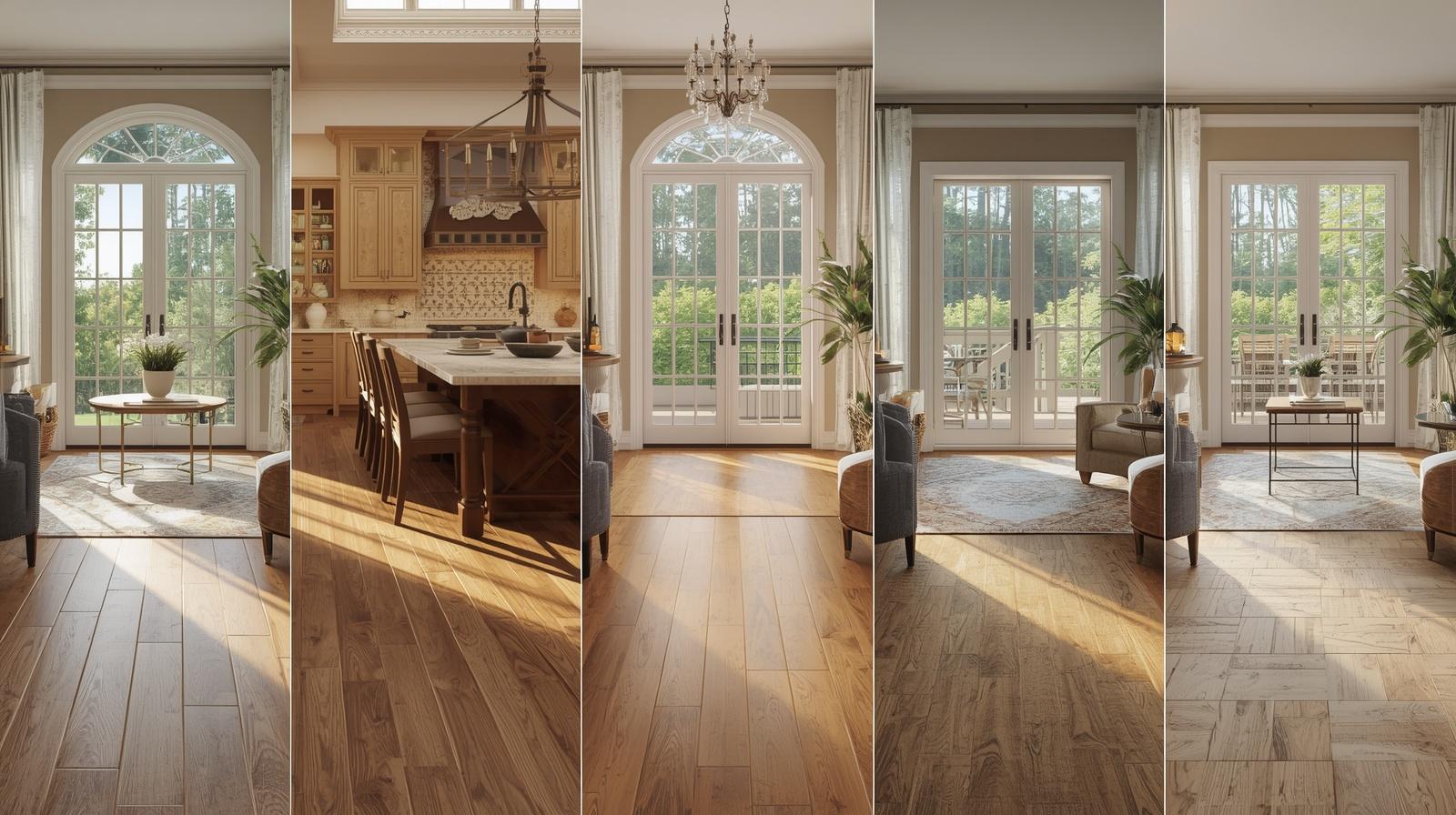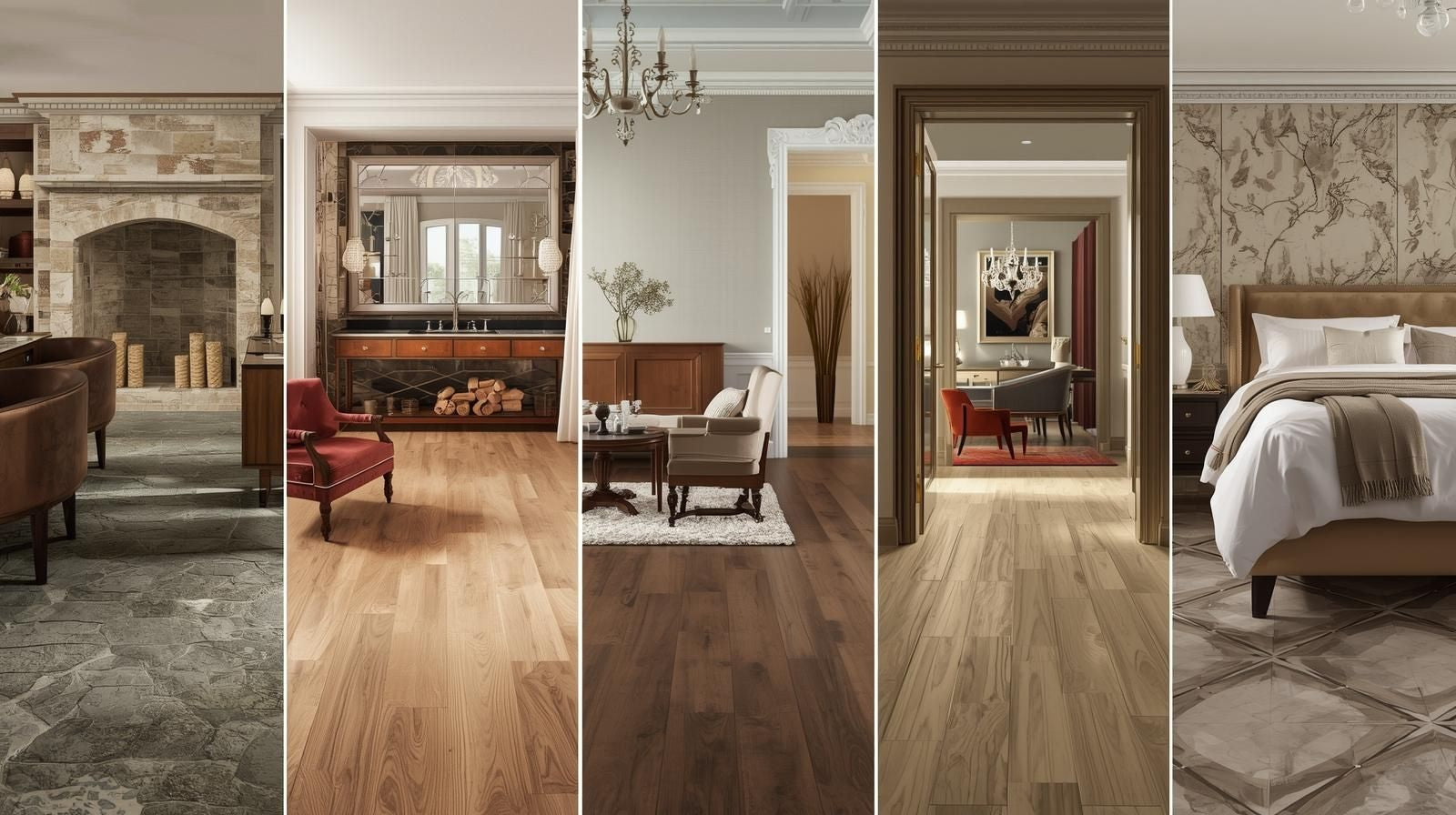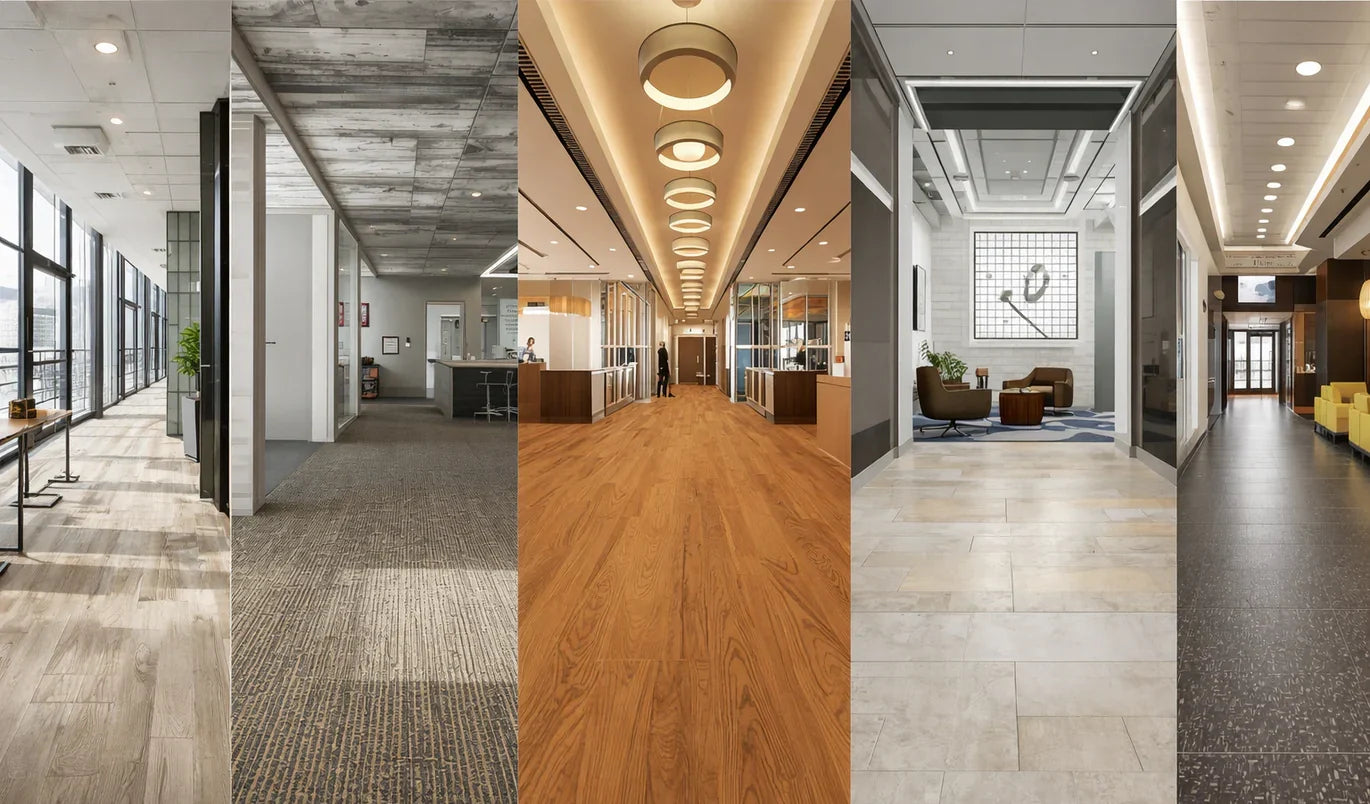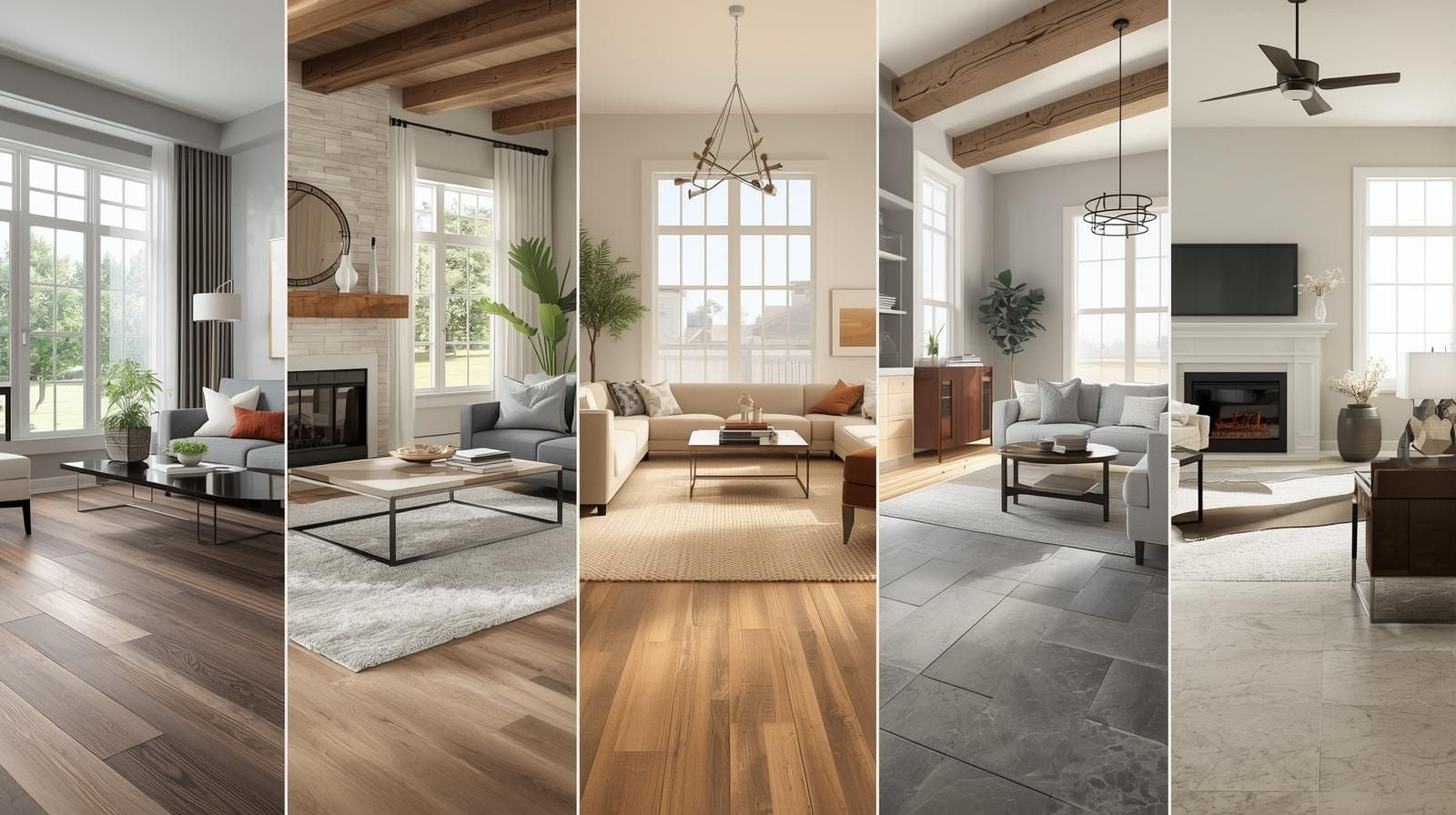


Spills, puddles, or a playful pet can turn any floor into a mess in seconds. That’s where waterproof laminate flooring comes in. It has the charm of real wood but stays strong when water hits it. You can live freely without stressing about small accidents or wet shoes ruining the floor.
Waterproof laminate is built with advanced features. It’s made with a tighter locking system and a water-resistant core, often made from high-density fiberboard (HDF) that is treated to resist moisture. Some brands even add a water-repellent coating on top and around the edges to stop spills from seeping in, making it perfect for kitchens, bathrooms, and basements.
In this post, we are discussing how waterproof laminate flooring is made, why it’s different from regular laminate, and what makes it a solid choice if you want that wood look without stressing over water damage. Here is the detail!
Is Laminate Flooring Waterproof or Not?
As waterproof flooring becomes a must-have in modern homes, it's important to understand all your options, including laminate.
Laminate flooring gives the look of real wood but is built differently. Waterproof hardwood laminate has multiple layers pressed firmly together. Older laminate floors could only handle a little water. Heavy spills would damage them, yet today’s designs can survive more moisture and keep their shape.
Better materials and new methods now make some laminates fully waterproof. These improved types can take on spills, moisture, and even puddles for a while. How well it resists water depends on a few big things. It's not just about the top layer; what's inside matters too.
1. Core Layer Composition
The core layer is the heart of the laminate plank and plays the biggest role in determining its water resistance.
High-Density Fiberboard (HDF) Core – Common in Traditional Laminate
- Made from compressed wood fibers bonded with resins.
- Naturally hydrophilic, meaning it absorbs water easily.
- Swells, warps, or delaminates when exposed to excessive moisture.
- Standard HDF cores are not waterproof unless specially treated.
Waterproof laminate flooring uses materials like treated HDF, WPC, and SPC. Both WPC and SPC are rigid, water-resistant, and non-size changeable. This type of durability fits well in places such as kitchens and basements. These floors have the ability to replicate the appearance of stone but offer a water-resistant surface for daily living.
2. Surface Wear Layer
The top layer of laminate flooring is designed to protect against wear, scratches, and minor spills. Its performance directly impacts short-term moisture resistance.
- Made of melamine resin and aluminum oxide coating.
- Typically water-resistant, but not impervious to standing water or prolonged exposure.
- Hydroseal or AquaSeal treatments make this layer hydrophobic, allowing water to bead up and preventing immediate absorption.
Surface Tech Terms
- Embossed-in-register (EIR): Adds texture while still maintaining a sealed top layer.
- Anti-microbial coatings: Prevent mold and mildew growth in humid environments.
3. Edge Sealing and Locking Systems
Even if the top surface is water-repellent, moisture can penetrate through the edges and seams between planks.
Standard Laminate Seams
- Vulnerable to water seepage.
- Click-lock mechanisms without sealing can allow water intrusion into the core.
Waterproof Enhancements
- Waxed Edges or Resin-Coated Joints: Prevent water from soaking into seams.
- Aqua-tight Locking Systems: Precision-engineered click mechanisms that create a tight seal.
- Encapsulated Edging: Full perimeter seal to prevent any side infiltration.
4. Backing Layer
The bottom layer helps with moisture protection and stability. Waterproof laminates often include moisture-resistant backing or are attached with underlayment for added protection from subfloor moisture.
- High-quality waterproof laminates have moisture-resistant backing films or underlayment pads attached.
- Prevents warping due to vapor rising from concrete or unsealed subfloors.
5. Installation and Maintenance
Proper installation, like sealing perimeter gaps, and quick cleanup of spills, are key. Use 100% silicone sealant in wet areas, and avoid excessive moisture or steam cleaning unless approved.
6 Different Types of Waterproof Laminate Flooring

Flooring choices in wet areas have changed, and that is because of the advancement in waterproof laminate. These planks come with solid core layers and smart tech on the surface to hold off water. That means less damage, less swelling, and no buckling. They also look great, much like real hardwood, but each type has something different.
1. High-Pressure Laminate (HPL)
Known For: High-traffic areas, commercial spaces, kitchens, and entryways.
High-Pressure Laminate (HPL) is a premium waterproof laminate option made by bonding several layers of kraft paper, decorative paper, and a top wear layer under high heat and pressure (typically over 1000 psi). The resulting product is extremely dense and dimensionally stable. Its water resistance is enhanced with tight-click locking systems and sealed edges, making it ideal for wet or spill-prone environments.
Scratch, dent, and impact resistance make HPL a smart choice for spaces with heavy traffic. Its top layer usually has melamine resin, adding a shield against spills, scratches, and regular wear while keeping it strong over time.
Key Features of High-Pressure Laminate
- Dense, rigid structure with excellent dimensional stability
- Pressure-bonded core resists swelling and warping
- Superior scratch and abrasion resistance
- Long-lasting wear layer infused with melamine
- High impact resistance, ideal for commercial installations
- Water-resistant locking system with tight seams
2. Direct-Pressure Laminate (DPL)
Known For: Living rooms, home offices, bedrooms, and light-traffic residential spaces.
Many homes use Direct-Pressure Laminate (DPL) flooring because it’s affordable than High-Pressure Laminate (HPL). This type of laminate is made by pressing together four layers: wear, decorative, core, and backing, using less pressure. The locking system prevents water ingress, protects against minor spills, and controls humidity. But some upgraded ones have special cores that resist moisture, often made of MDF with added resin.
For areas with normal dryness, it’s a smart, budget-friendly choice. However, it’s not made to handle high moisture or wet conditions.
What People Like About Direct-Pressure Laminate?
- Cost-effective and widely available
- Acceptable water resistance with treated cores and edges
- Durable enough for most residential applications
- Comes in various wood-look finishes and plank styles
- Easy to install with click-lock mechanisms
- The backing layer enhances stability and moisture protection
3. Waterproof Laminate with WPC Core (Wood-Plastic Composite)
Best For: Bathrooms, kitchens, laundry rooms, and basements.
Waterproof laminate with a WPC core brings together the good designs of laminate and the full water resistance you’d expect from high-end vinyl flooring. Its core, made of wood fibers, plastic polymers, and air-boosting foaming agents, keeps the planks light yet thick, and blocks out water completely.
You don't have to worry about swelling or warping when spills happen. Traditional laminate can’t handle moisture like this. The surface layer adds strength and often comes with a textured feel, such as embossed-in-register, to give it a true wood look. It’s also comfortable underfoot and has sound-reducing properties, which suits busy homes, especially ones with multi-level homes.
Why Waterproof Laminate with WPC Core Stand Out?
- 100% waterproof core made from WPC
- Soft and comfortable underfoot
- Excellent thermal and acoustic insulation
- High-resolution visuals with textured finishes
- Easy installation with floating click-lock systems
- Resists mold, mildew, and microbial growth
4. Waterproof Laminate with SPC Core (Stone-Plastic Composite)
Known For: Commercial buildings, pet areas, kitchens, and moisture-heavy zones.
The SPC-core waterproof laminate floors have a powerful inner layer comprising of stone-plastic composite. It incorporates limestone, PVC, and stabilizers in a single hard core. These are heavy-duty and thin planks. They are able to deal with water, dents and scratches with ease. SPC laminate is designed to fit in high-traffic areas, and therefore, it will not change shape, even when furniture is placed on it over a long period of time.
The core also hides flaws in the floor underneath, so it's great when the base isn't perfectly flat. Some versions come with padding already attached, which makes setup faster and helps block noise. A solid pick for homes and shops that deal with water and wear every day.
Why is Waterproof Laminate with SPC Core Popular?
- Rigid, ultra-dense SPC core
- Waterproof and highly dimensionally stable
- Built-in underlayment for comfort and noise control
- Scratch- and dent-resistant top wear layer
- Performs well over imperfect subfloors
- Excellent for both residential and commercial use
5. Laminate with Hydroseal or AquaSeal Technology
Known For: Dining rooms, kitchens, hallways, and high-humidity climates.
Water resistance is a key feature of Hydroseal or AquaSeal laminate flooring. These planks are built to fight off moisture at both the surface and the joints. A special edge coating, usually made with polyurethane, helps protect the sides. The grooves also get a hydrophobic layer, especially in the click-lock system.
These floors are not entirely waterproof like SPC or WPC options, but they can still handle spills. Some products manage moisture for up to 72 hours, depending on the line. Homes that deal with daily messes or kids will find this flooring useful. It gives that natural wood feel but adds strength without the high cost.
Key Specifications of Hydroseal or AquaSeal Technology Laminated Flooring
- Water-repellent surface and sealed locking system
- Resistant to short-term spills and high humidity
- Available in realistic wood textures and matte finishes
- Protects core layers for up to 72 hours (varies by brand)
- Quick and easy installation with a tongue-and-groove system
- Affordable alternative to luxury waterproof options
6. Fully Encapsulated Waterproof Laminate
Known For: Whole-home applications, wet rooms, basements, and coastal homes.
Fully encapsulated laminate flooring is the highest in terms of moisture protection. All the planks are individually covered on every side, top, bottom, edges, all with waterproof coats and moisture-resistant lining.
Water from cleaning, accidental spills, or even humidity can’t slip through. That’s because the core is tightly shielded. To make things stronger, many types come with waterproof resins and advanced seam systems like aqua-tight joints or tight-click locks. Scratch resistance is built into the top layer of Aquaproof laminate floor, and it often blocks UV rays too.
Some even help fight bacteria. Fully encapsulated laminate handles tough conditions. It gives a high-end look while standing up to heavy use, even in commercial spaces.
Key Features of Fully Encapsulated Waterproof Laminate
- 360-degree waterproof protection
- Encapsulated core, surface, and seams
- High-performance in extreme moisture zones
- Scratch, UV, and fade-resistant top layer
- Anti-microbial and hygienic surface options
- Ideal for whole-home installations, including wet zones
Pros and Cons of Laminate Flooring Waterproof
Waterproof laminate flooring brings many benefits, but it also has some limits worth noting.
| PROS | CONS |
| 100% moisture protection, resistant to spills, humidity, and leaks in kitchens, bathrooms, and basements. | It may produce a hollow or synthetic feel if the underlayment is not used properly. |
| Durable wear layer, scratch-resistant melamine, and aluminum oxide coatings offer long-term surface protection. | Unlike hardwood, laminate cannot be sanded or refinished. |
| Realistic wood look, high-resolution imaging, and EIR (Embossed-in-Register) textures mimic authentic hardwood. | Advanced core materials (SPC/WPC) and hydrophobic layers increase the price. |
| DIY-friendly floating floor system with Aqua-tight joints simplifies setup. | Prolonged standing water or flooding can eventually damage the core. |
| Easy to clean with dry or damp mops; no need for waxes or polishes. | |
| Fade & stain resistant, UV-resistant surface ideal for sunlit areas. |
From budget to long-term value, every floor has its perks. Get all the insights in our guide on laminate vs engineered vs hardwood floors.
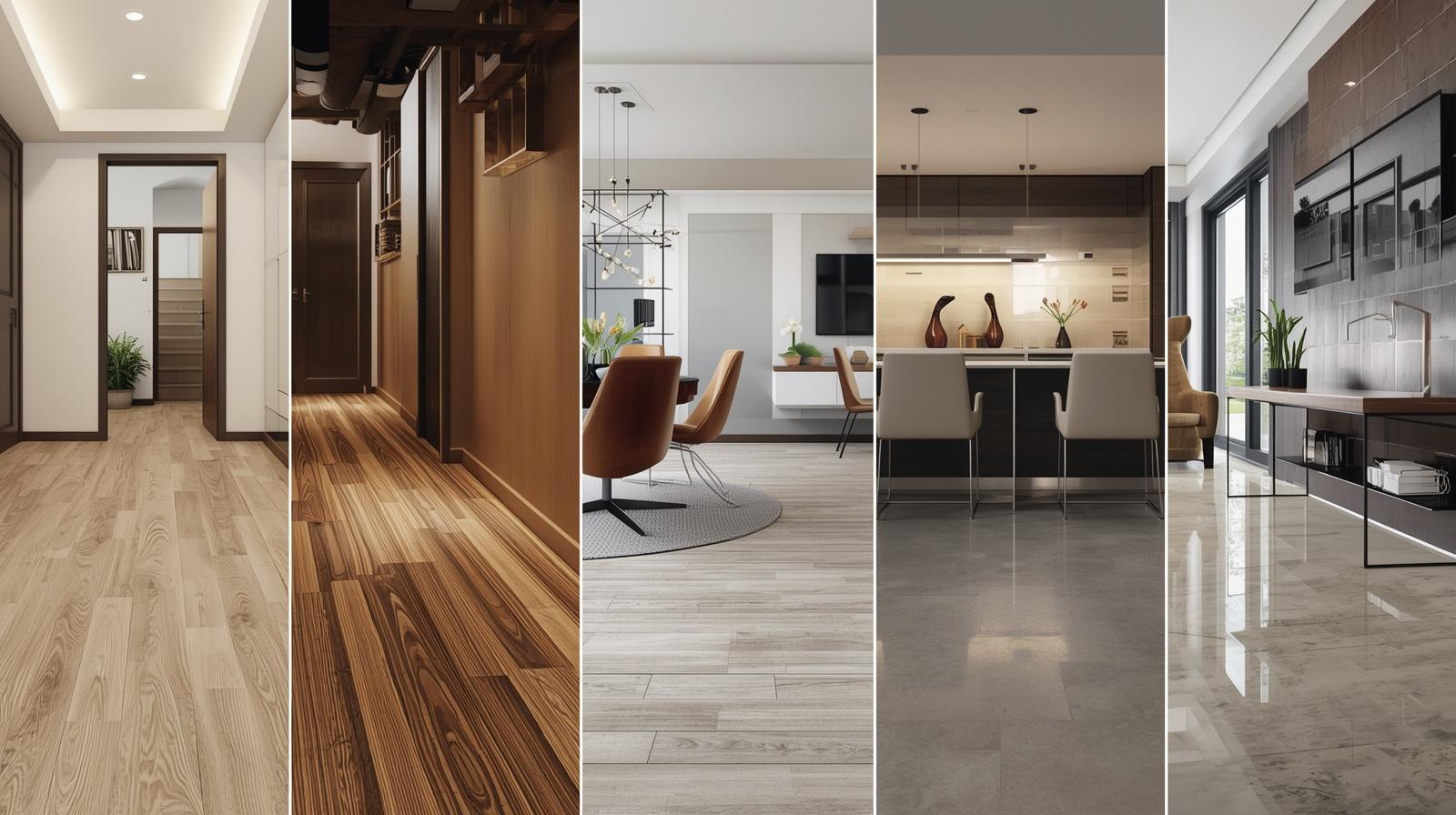
Spaces Where Waterproof Laminate Flooring Works Best
Here is the list of the most suitable areas where water laminate flooring works wonders.
- Kitchens – frequent spills, water splashes, and dropped food
- Laundry Rooms – protection from minor leaks and damp floors
- Basements (finished and dry) – moisture-prone, but not flooded
- Entryways and Mudrooms – wet shoes, umbrellas, and dirt
- Dining Areas – food and drink spills, especially with kids
- Hallways – high traffic, occasional wet shoes, or pet accidents
- Living Rooms – pet activity, minor spills, and everyday use
- Powder Rooms or Half Baths – light moisture, no tub or shower
- Pet Areas or Rooms – handles water bowls and accidents
1. Kitchens - Comfort, Quietness, & Waterproof Resilience

source/royalfloorsonline
Kitchens are high-traffic, moisture-prone areas requiring durable and water-resistant flooring. Laminate floor waterproofed with SPC or WPC core excels here, resisting spills, steam, and humidity from cooking.
Read on to explore more flooring options for your kitchen.
Scratch-resistant is the wear type made of melamine that is resistant to wear the daily life, whereas the click-lock structure with sealed edges prevents entry of water into the seams. This flooring is stylish and has a wood appearance, yet it is easily maintained, and this is suitable in busy households. Our laminate flooring which is exclusive to the kitchen.
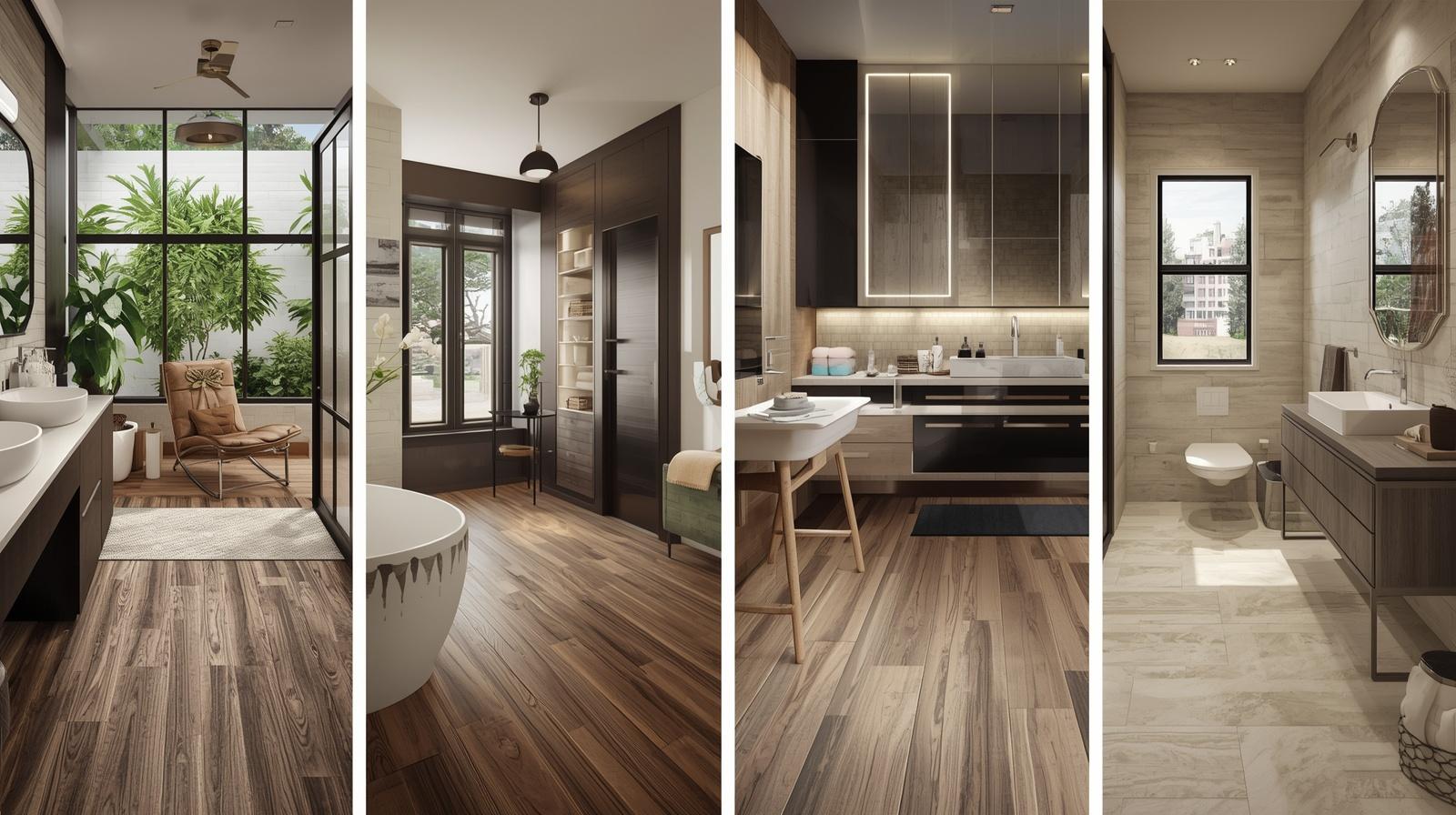
2. Bathrooms - Waterproof Laminate with Classic Appeal

source/royalfloorsonline
The floor of the bathroom requires a flooring that is capable of withstanding moisture and humidity. Flooring of bathrooms in waterproof laminate that has a hydrophobic surface coating and a wax-sealed edge avoids water from becoming spoiled, which destroys the core and causes swelling.
These floors do not harbor growth of molds and mildew in the air, unlike traditional laminate, and take good care of the hygienic conditions. Their dimensionally stable SPC cores can be installed either over concrete or radiant heat systems, which is a blend of comfort and reliability.
3. Basements - Superior Water Resistance & Stylish Durability

source/royalfloorsonline
Basements flooring often have higher humidity and occasional dampness, making waterproof laminate a practical choice. The rigid SPC core ensures dimensional stability on concrete slabs prone to moisture vapor.
The moisture-resistant backing and compatible underlayment provide extra protection against subfloor dampness, reducing the risk of warping or buckling. The result is a durable, attractive floor suitable for multi-use basement spaces. Best waterproof laminate flooring for a basement.
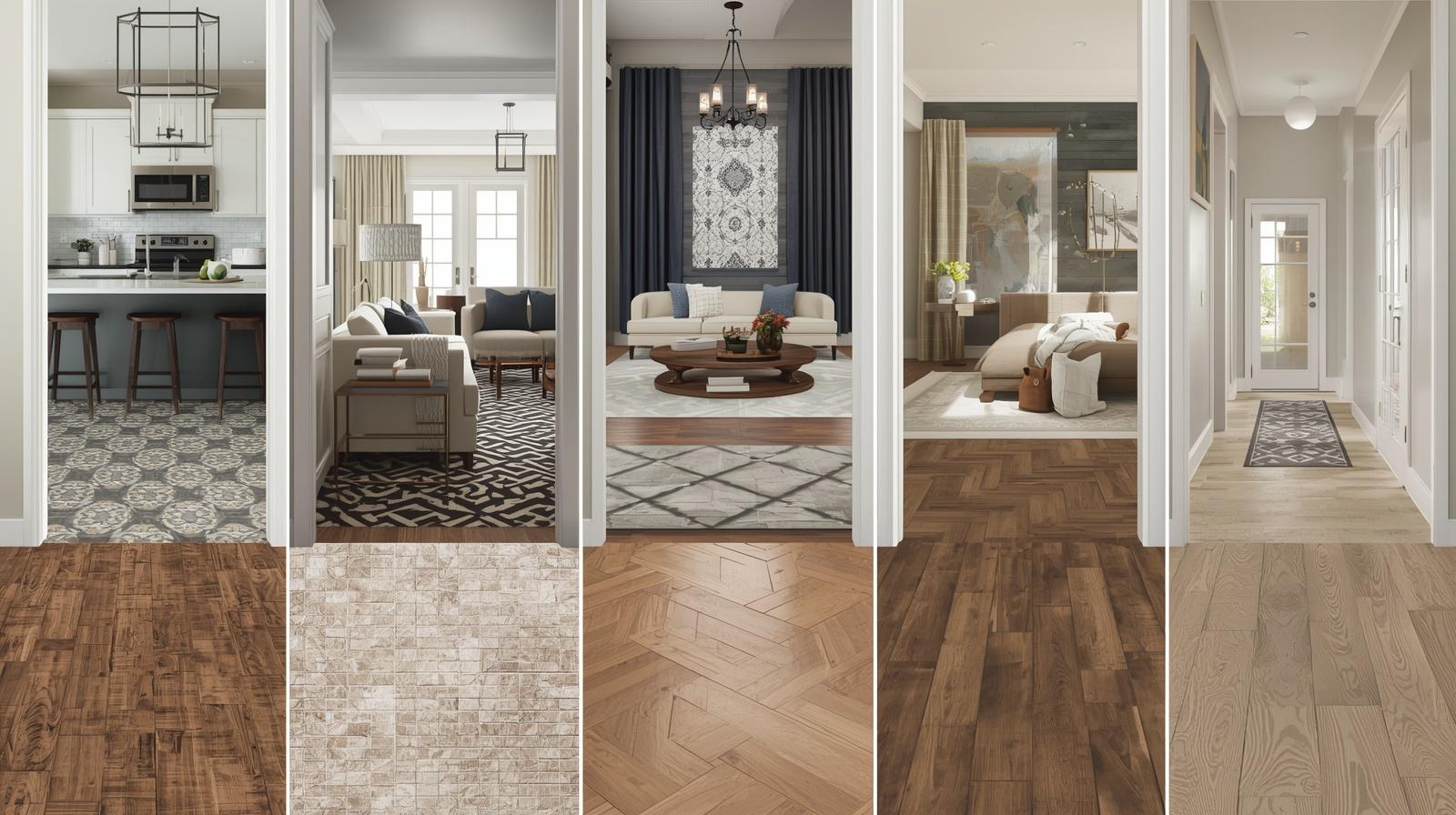
Best Waterproof Laminate Flooring Styles in 2026
As waterproof laminate flooring keeps gaining fans, 2026 brings new styles full of life and flexibility.
- Wide plank laminate floors give the room an elegant, spacious look. Natural wood grain shows nicely with fewer seams, making it perfect for big, open spaces that feel bright and fresh but still hold up to daily use.
- Graywashed and weathered finishes give a calm, stylish vibe, great for lofts or coastal-inspired rooms. They pair well with bright furniture.
- Herringbone patterns are back, adding a classic yet modern touch that makes any floor stand out.
- Mixed-width planks add character and warmth, like handmade wood floors, ideal for cozy family rooms or home offices.
- Dark espresso finishes look elegant and hide scratches well, working great in dining rooms or offices with light walls.
- Reclaimed wood styles give you that rustic, aged look, but with waterproof durability, perfect if you want a natural feel without the fuss.
Waterproof Laminate Flooring Installation Option

Waterproof laminate flooring can be installed in different ways, depending on the type of subfloor and the environment. Knowing the technical details and choices helps keep the floor lasting longer and protects it from moisture damage.
1. Floating Floor Installation (Click-Lock System)
This is the most popular and easiest installation method.
Key features:
- Planks lock together without glue or nails
- Uses advanced systems like AquaSeal or AquaGuard
- Creates tight, waterproof seams that block moisture
- Allows natural subfloor expansion and contraction
Best for:
- Installing over existing floors
- Moisture-prone areas like kitchens and basements
A moisture barrier is required when installing over concrete slabs to prevent vapor damage.
2. Glue-Down Installation
Glue-down installation is less common but works well in demanding environments.
Why choose this method:
- Provides added stability
- Helps reduce floor noise
- Ideal for commercial spaces or heavy-use homes
Important considerations:
- Requires waterproof adhesive
- Works best on clean, flat, and dry concrete or plywood
- Professional installation is recommended
Improper installation can trap moisture beneath the planks, leading to long-term damage.
3. Loose-Lay Installation
Loose-lay is a newer and faster installation method.
How it works:
- Planks stay in place due to their weight
- Textured backing grips the subfloor
- No glue, nails, or locking systems needed
Best suited for:
- Low-traffic areas
- Temporary or quick-install flooring needs
This method still offers solid moisture resistance and makes replacing damaged planks easy.
4. Underlayment Considerations
Underlayment plays a critical role in every installation method.
Benefits of proper underlayment:
- Blocks moisture with vapor barriers
- Protects the subfloor
- Improves sound absorption
- Adds comfort underfoot
For radiant heating systems, always choose an underlayment designed for heat compatibility to maintain efficient heat transfer.
Waterproof Laminate Flooring Maintenance Tips

Waterproof laminate flooring is built to handle moisture, but it still needs proper care. Although the surface resists water, the wear layer, core, and waterproof seals require attention. With the right habits, you can prevent damage and maintain long-term moisture resistance.
1. Clean Regularly with the Right Tools
- Use a microfiber dust mop or a vacuum with a hard floor attachment.
- Remove dust and grit that can scratch the wear layer.
- Avoid carpet brushes, as they may damage the surface.
For wet cleaning:
- Use a damp mop, not a wet one.
- Choose pH-neutral, laminate-safe cleaners.
- Never allow standing water, as moisture can seep into seams and cause edge swelling.
2. Wipe Spills Immediately
- Clean spills right away using a soft, absorbent cloth.
- Although the surface is waterproof, moisture can penetrate click-lock joints if left too long.
- Prolonged exposure may lead to core swelling or delamination.
3. Protect High-Traffic Areas
- Add felt pads or rubber caps to furniture legs to prevent scratches and dents.
- Place non-slip area rugs or mats in entryways to trap dirt and moisture.
- Make sure mats are breathable to avoid moisture buildup underneath the flooring.
4. Avoid Harsh Cleaners and Steam
Do not use:
- Abrasive cleaners
- Wax or oil-based polishes
These products can damage the wear layer and reduce waterproof performance.
Steam mops:
- Avoid them unless explicitly approved by the manufacturer.
- Excess heat and moisture can weaken the core and break joint seals.
5. Maintain a Stable Indoor Environment
- Keep indoor humidity between 30% and 50%.
- This helps prevent expansion, contraction, and warping.
- Use dehumidifiers in damp areas or basements to control moisture vapor under the flooring.
Waterproof Laminate Flooring Price 2026
Waterproof laminate flooring usually costs between $2.50 and $4.50 per square foot for the material itself. Some higher-end brands might go up to $5 or a little more, especially if they have extra features like built-in underlayment or better wear layers.
If you are hiring someone to install it, add about $2 to $4 per square foot for labor. So all in, you're looking at roughly $5 to $9 per square foot for everything, materials plus installation.
What Affects the Final Price?
- Brand quality
- Plank thickness
- Surface finish
- Underlayment requirements
- Subfloor preparation or repairs
The Bottom Line
Floors that look great and withstand everyday spills, humidity, and messes mean the waterproof laminate - a solid flooring choice, giving the warmth and style of real wood without the worry about water damage.
With so many styles and cores to choose from, you can find something that fits your space and your lifestyle perfectly.
Royal Floors Online offers a premier selection of waterproof laminate flooring sourced from the industry’s leading brands.
Have questions or ready to pick out your new floors? Give us a call at (833) 378-4559. We'll guide you through the right flooring.

David Santiago

Types of Vinyl Flooring Explained for Every Home
What is the Best Flooring for Kitchen Use in 2026?
Related Posts